
Last updated November 23, 2026
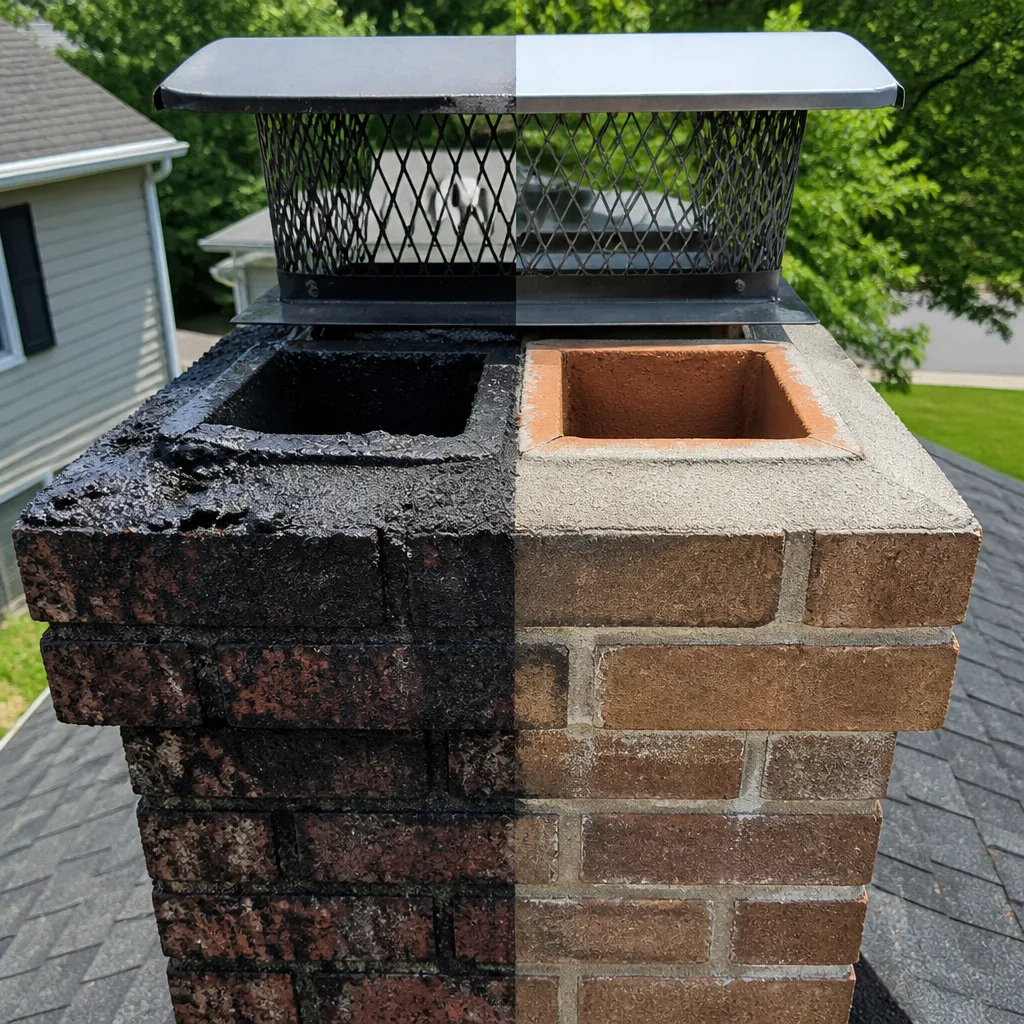 Sweep & inspection
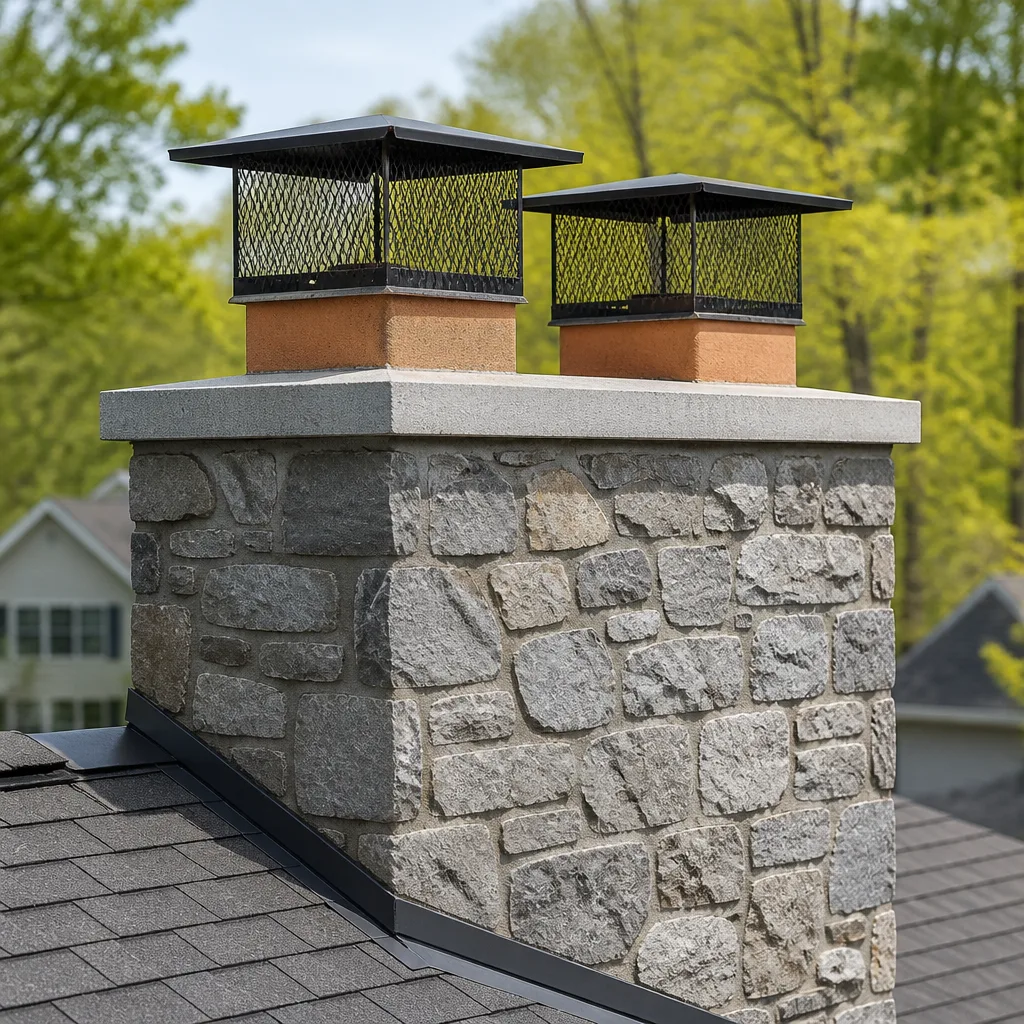 Caps & crowns
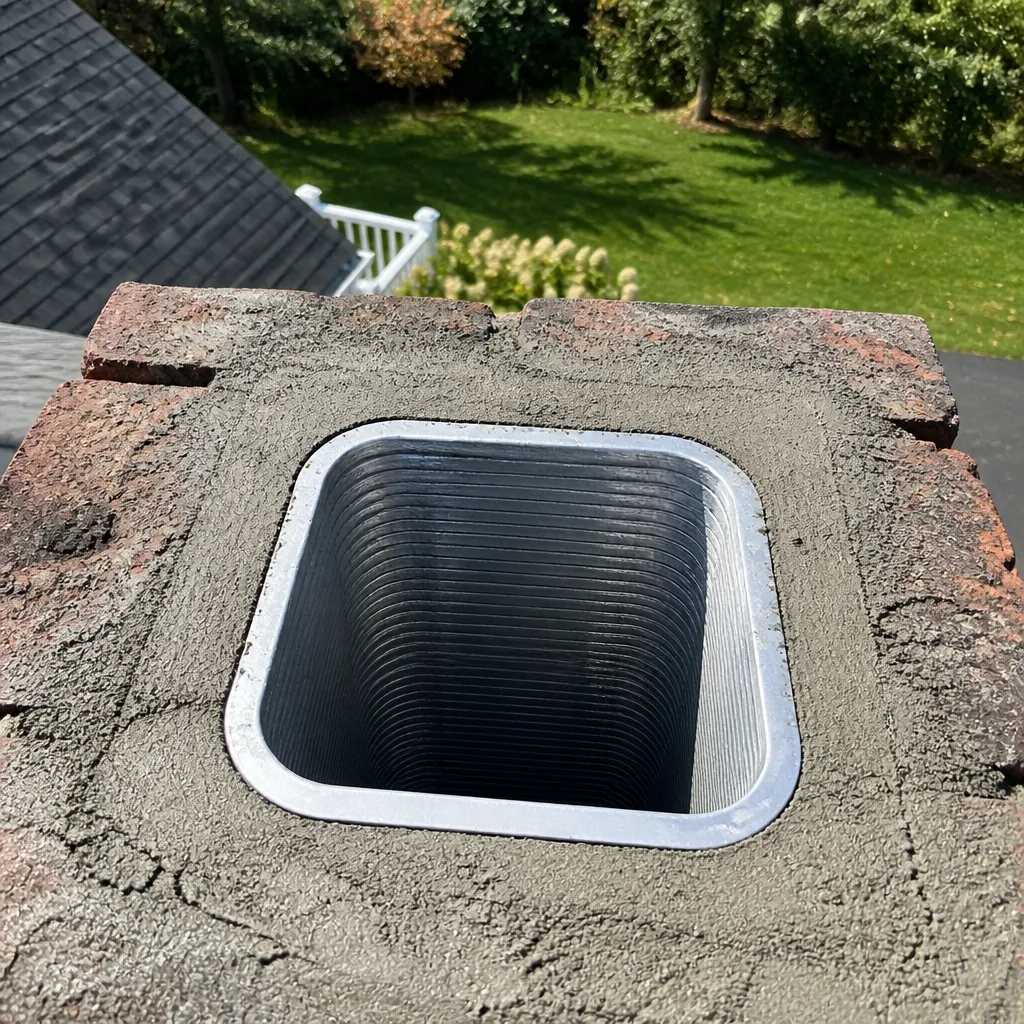 Flue relining
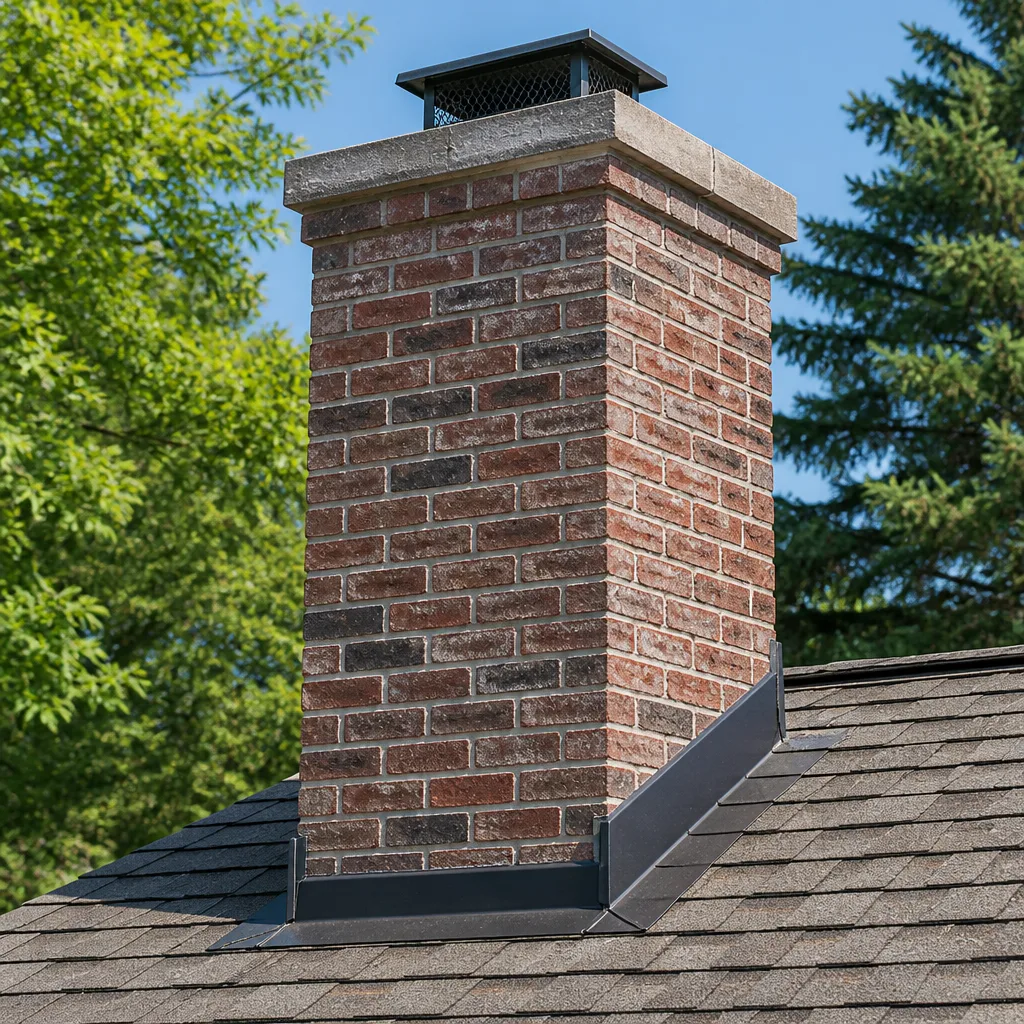 Masonry repair
 Gas fireplace service
Level 1 sweep and inspection to the NFPA 211 annual standard - flue, crown, cap, and flashing checked and photographed
Chimney sweep logs do not sweep chimneys. They loosen some creosote - which then falls where a brush and vacuum still have to collect it.
Chimney Sweep Maintenance Checklist for Seven Hills Homeowners
A chimney that passed a clean inspection in October can have a cracked crown by April. That’s not a scare tactic; it’s arithmetic. Seven Hills sits where the Front Range gets walloped by freeze-thaw cycles through the winter, and masonry moves every time the temperature swings across the freezing line. A crack that opens in January fills with water in February, freezes in March, and widens by spring. Most homeowners never look up there until something smells wrong or water stains the ceiling. This guide is built to change that: a month-by-month maintenance checklist tied to what actually happens to Seven Hills chimneys, which checks you can do from the ground, and which ones require a technician on the roof.
Styles & brands we work with
- Sweep & inspection
- Caps & crowns
- Flue relining
- Masonry repair
- Gas fireplace service
Quick Answer
A Seven Hills homeowner should inspect the chimney visually from the ground monthly, have the flue swept once a year or after every cord of wood burned, and schedule a professional inspection before each heating season and again in spring to catch freeze-thaw damage early. The single most important habit is a documented annual inspection that catches cracked crowns, corroded dampers and liner gaps before they turn into structural repairs.
Table of Contents
- Why Seven Hills Chimneys Fail Differently
- The Month-by-Month Chimney Checklist for Seven Hills
- Ground-Level Checks vs. Roof-Level Checks
- Maintenance Tasks vs. Maintenance Triggers
- Inspection Cadence for Homes Burning More Than Two Cords
- Logging Chimney Condition Year Over Year
- What the Right Materials Look Like
- Common Mistakes to Avoid
- When to Call a Professional
- Frequently Asked Questions
- The Bottom Line
Why Seven Hills Chimneys Fail Differently
Seven Hills averages over 60 freeze-thaw cycles per winter, which is on the high end for the Denver metro area. That single fact reshapes almost every chimney maintenance decision a homeowner makes here. A freeze-thaw cycle is exactly what it sounds like: daytime melt, nighttime freeze. Each cycle wicks moisture into a tiny pore in the masonry or crown, expands it as ice, and leaves the pore slightly larger when it thaws. Do that 60 times a year, for years, and the failure pattern is predictable.
The three failure points we see repeatedly in Seven Hills homes are different from what a generic checklist covers:
- Masonry spalling from freeze-thaw cycles. Brick faces flake and pop off when trapped water expands. A chimney that looks structurally sound from the lawn can have spalled brick faces shedding across the roof by spring. Spalling is a masonry repair issue, not a cleaning issue, and the earlier it is caught, the less mortar has to be replaced.
- Damper corrosion from snowmelt intrusion. Snowmelt runs down the flue when the cap is damaged or missing, and it pools on the damper plate. A cast-iron damper sits in that water through repeated freeze cycles and rusts from the top, then sticks open or sticks closed. A damper that won’t close is a direct heat loss; one that won’t open is a carbon monoxide concern.
- Liner gaps from thermal expansion. A liner is not a static part. During a high-use heating season it expands when hot and contracts when cool, and over many seasons the joints of a sectional liner and the mortar around a clay tile can widen. Small gaps let creosote sit behind the liner and let flue gases reach the surrounding structure, which is exactly what a professional inspection is looking for.
That is why the checklist below is built around what a Seven Hills winter does to a chimney rather than a generic “clean it once a year” reminder. We use products like Gelco crown coating and Olympia Chimney caps specifically because they hold up to the local swing between wet and frozen, and HeatShield for liner resurfacing when the flue has deteriorated but doesn’t need full relining yet.
The Month-by-Month Chimney Checklist for Seven Hills
Here’s the calendar a Seven Hills homeowner can actually follow. The tasks are split between what you can do yourself and what needs a technician on the roof.
- September: Schedule the pre-season professional inspection and sweep. This is the starting point, not an upsell. You can’t sweep what you haven’t seen. Have the technician note the crown condition, damper operation, cap screen and liner joints on a written report.
- October: Do a ground-level visual check. Look at the crown for cracks, the cap for missing or torn screen, and the flashing where the chimney meets the roof for gaps or rust. Clear any leaves or bird nests from the cap screen. Test the damper inside by opening and closing it fully.
- November: First burn of the season. Watch the smoke on your first fire: it should rise clear. If it rolls back into the room, stop and call; that’s a sign of a blocked flue or a damper that isn’t opening fully.
- December through February: After every significant snowmelt event, look up at the crown and around the cap. Ice and meltwater reveal cracks you couldn’t see in dry weather. If you’re burning more than two cords this season, the cadence in the heavy-use section below applies.
- March: Spring walkaround. This is the most important month for Seven Hills because it’s when freeze-thaw damage from the winter becomes visible. Look for spalled brick faces on the ground, a new crack line in the crown, or water staining on the firebox.
- April: Schedule the post-season professional inspection. The technician can catch what the ground-level look can’t: liner gaps, mortar joint deterioration inside the flue, and hairline crown cracks that will widen next winter if left unsealed.
- May through August: Any repair work identified in April happens now. Crown coating, cap replacement and Fireplace repair are all better done in warm, dry weather so the materials cure properly. This is also when we schedule HeatShield or Chimney Sweep Seven Hills relining projects, because there’s no heating-season pressure.
If you only remember one thing from this checklist, remember the September and April inspections. They bracket the two moments when the chimney either gets set up for a safe winter or gets documented for repair before it becomes a problem.
Ground-Level Checks vs. Roof-Level Checks
Homeowners ask us all the time whether they’re supposed to climb up there. The honest answer is no. There is a clear line between what you can safely see from the ground and what genuinely requires a technician on the roof with proper equipment.
What you can check safely from the ground
- Crown condition from an angle. Standing back on the lawn or driveway, look at the top of the chimney where it meets the flue. A visible crack line, a chunk missing from the edge, or a crown that’s pulling away from the flue is a trigger to call.
- Cap screen and shape. Is the cap intact, is the screen torn, is anything nesting in it? A missing cap is one of the most common causes of water damage, and you can see it from the ground.
- Flashing at the roof transition. Look at where the chimney meets the roofline. Rust streaks, gaps, or lifted flashing are visible from a safe distance and are a direct path for water.
- Spalled brick on the ground. Brick faces that have fallen off are the easiest thing to miss and the most telling. If you’re finding flakes of brick on the roof or ground near the chimney, the masonry is failing.
- Damper operation from inside. Open and close the damper fully. It should move without excessive resistance and close flush. A damper that sticks open or won’t seat is a ground-level finding that needs a professional fix.
What requires a technician on the roof
- Any inspection of the flue liner joints or the interior of the flue.
- Any check of the crown from directly above, which is the only place you can see hairline cracks properly.
- Removing a cap or screen for cleaning.
- Assessing mortar joint integrity in the masonry stack.
- Any work that would require standing on a roof or working at height. No homeowner should be diagnosing a chimney from the roof edge, and we say that as the people who do it for a living.
We use camera inspection on almost every job precisely because the ground-level view only tells half the story. The technician photographs what they find and shows you the images before anything is recommended. You shouldn’t have to take our word for it that you need a repair; you should be able to see the evidence.
Maintenance Tasks vs. Maintenance Triggers
The most useful distinction in chimney care is between a maintenance task and a maintenance trigger. A task is something a homeowner performs routinely. A trigger is a condition that fires the moment it appears and means the next step is professional.
Maintenance tasks you can do yourself
- Monthly ground-level visual inspection of crown, cap, flashing and surrounding ground.
- Clearing leaves and debris from the cap screen.
- Testing the damper for full open and close.
- Keeping the firebox clean of excess ash and combustibles stacked clear of the hearth.
- Burning dry, seasoned wood to reduce creosote buildup.
- Logging what you observe each month on a checklist sheet.
Maintenance triggers that require a professional
- Smoke rolls back into the room on a fire. Possible blocked flue or a closed or broken damper. Stop using the chimney until inspected.
- Visible crack in the crown or crown pulling away from the flue. Water is getting in every storm season until it’s sealed.
- Spalled brick faces on the ground or roof. Masonry is failing from freeze-thaw and will worsen next winter.
- Damper that won’t fully close or won’t open. Either a heat loss problem or a carbon monoxide concern.
- Water stains on the firebox, damper or ceiling near the chimney. A leak path exists and needs to be found.
- More than two cords burned in a season. The flue needs a professional inspection at the cadence below, even if nothing looks wrong.
- Strong creosote smell in warm weather. Creosote is running down the inside of the flue and pooling; this is a chimney fire risk.
The decision rule is simple: if you can see it, smell it, or feel it from the ground or inside the house, and it falls under the trigger list, stop guessing and call. Anything on the task list stays with you. If it’s ambiguous, call and we’ll help you decide without a sales pitch.
Inspection Cadence for Homes Burning More Than Two Cords
If your household burns more than two cords of wood per season, the standard annual inspection isn’t enough. Two cords is roughly the point where creosote accumulation and thermal cycling pause being theoretical and start showing up in real inspections.
We recommend this cadence for heavy-use Seven Hills homes:
- Pre-season inspection (September): Always. This is non-negotiable for heavy users.
- Sweep at the mid-season mark or after the second cord, whichever comes first: Creosote doesn’t wait for spring, and a swept flue in January draws better and burns cleaner for the rest of the winter.
- Post-season inspection (April): Always, with particular attention to liner joints, damper condition and crown cracks.
- Damper check monthly: Heavy users move the damper far more than casual burners, and the mechanism takes more wear.
- Cap and crown direct inspection once per year: Not from the ground; by a technician on the roof. Freeze-thaw damage to the crown is the leading cause of water intrusion in Seven Hills.
We use chimney cap & crown repairs more often on heavy-use homes because the thermal cycle on those chimneys is more aggressive: heating and cooling the whole masonry mass repeatedly all winter is what opens hairline crown cracks. A cracked crown lets water in every storm season, and once water is inside the masonry, the freeze-thaw cycle starts eating the brick from the inside out.
Logging Chimney Condition Year Over Year
Documented chimney history is one of the most underused assets a homeowner has, both for maintenance decisions and for the day the house goes on the market. A buyer’s inspector will flag a chimney from 30 feet away with a flashlight. Your documented history is what tells that buyer, and their inspector, exactly what condition it’s in and when it was last serviced.
A simple log that works: a single notebook or spreadsheet with one page per year, and these entries:
- Date of each professional inspection, with the written report attached or referenced. Any technician worth calling will produce one.
- Photos. The technician’s camera photos from each inspection, plus your own ground-level photos from the same angle each month. Repeat the same shot so you can compare.
- Condition notes: crown, cap, flashing, damper, liner. A simple OK/fair/poor grade per component per year.
- Work performed: what was done, what materials were used (this is where noting a Gelco crown coat or a Famco cap matters), and who did it.
- Triggers observed: any item from the trigger list, and how it was resolved.
We hand over a written report and photo set after every chimney sweep, and we recommend the homeowner keep them in the same folder. Five years of that log will tell you, at a glance, whether the crown is a chronic weak point on your chimney or a one-time repair, and it will shorten any conversation with a buyer or insurer dramatically. It’s also useful information for the technician: knowing the liner joints were tight three years ago but loose now is a repair decision, not an opinion.
What the Right Materials Look Like
Maintenance decisions eventually become material decisions. When a crown is cracked, a cap is failing, or a liner gap has widened past sealing, the products used on the repair are what determine whether the fix holds through next winter’s freeze-thaw cycles or becomes a repeat problem.
This is where a household that has been treating chimney maintenance as a low-stakes checklist has to start paying attention. The difference between one crown coating and another is a season or five. We work with a curated set of professional-grade brands because they’re the materials other certified chimney professionals use, and we can explain what each is for:
- Gelco crown coatings are formulated for the kind of swing between wet and freezing that Seven Hills sees. A crown that has cracked because moisture is getting into it needs a coating that can flex with the masonry rather than one that cracks again.
- Olympia Chimney caps and components are what we reach for when the cap needs replacing rather than repairing, because a torn or missing cap is the single most common entry point for the water damage that drives every other repair.
- Famco and Copperfield for caps and flue components where the material and fit matter more than what a hardware-store substitute can offer.
- DuraFlex flexible liner systems for relining deteriorated flues. A flexible liner handles the thermal expansion that opens gaps in older or rigid-lined chimneys better over the life of the system.
- HeatShield liner resurfacing is a specialty system for restoring a flue that has deteriorated but doesn’t need full relining. It’s the material most general contractors can’t offer or even source, and it’s often the right call when the liner is sound enough to restore rather than replace.
If your maintenance log is going to be worth anything, it has to say what material was used on each repair, not just that a repair happened. We can talk through which system fits your chimney; the calls happen with a written estimate, and nothing is recommended that the inspection didn’t establish.
Common Mistakes to Avoid
- Treating a spring inspection as optional. In Seven Hills, the April inspection is the one that catches freeze-thaw damage from the winter just ended. Skipping it means next winter’s cracks start from a worse baseline.
- Assuming a clean flue means a sound chimney. Sweeping removes creosote; it doesn’t assess the crown, the cap, the damper or the liner joints. The inspection is the maintenance; the sweep is the cleanup.
- Buying a cheap cap to get it over with. A cap that fails in two years lets in more water than no cap at all when it tears, and by then the crown has been soaked. The cap is the cheapest repair you’ll make and the most expensive one to skip.
- Burning unseasoned or green wood to stretch the woodpile. It deposits more creosote and raises the chimney fire risk with nothing gained. Dry, seasoned wood is the single best creosote control a homeowner has.
- Climbing on the roof to “take a look.” A chimney inspection is the one part of maintenance that shouldn’t be DIY. Slip and fall risk on a snowy roof doesn’t need a caveat; it needs you to stay on the ground.
- Using a general handyman for structural chimney work. Masonry repair, crown work and liner systems are specialist trades with their own materials. A generalist will improvise materials that aren’t rated for the freeze-thaw cycle, and you’ll pay for the repair twice.
- Not keeping any records. Without documentation, every future inspection starts from zero, and every future buyer’s question becomes a negotiation instead of a file. The log is part of the maintenance.
When to Call a Professional
Call a professional if you see any of these: smoke rolling back into the room, a visible crown crack or cap damage, spalled brick faces on the ground, water stains inside the firebox or near the chimney, a damper that sticks fully open or fully closed, a strong creosote smell in warm weather, or if you’re burning more than two cords a season and haven’t been inspected this year. Also call if you’re buying or selling a Seven Hills home and need chimney condition documented before closing.
Chimney Sweep Seven Hills provides fireplace repair, sweeping, inspection, cap and crown work, and structural chimney repair as a full-service specialist. Estimates are free, the price is set per job by the written estimate, and nothing is recommended without a camera inspection you can see for yourself. Call (866) 937-8581 to book.
Frequently Asked Questions
Once a year for most households, and after every cord of wood burned if you burn heavily. Seven Hills gets over 60 freeze-thaw cycles a winter, which means your chimney is cycling hot and cold more than a milder climate would; that alone doesn’t change sweep frequency, but it does make the spring inspection more valuable. If you burn more than two cords, sweep mid-season as well as in September. Call (866) 937-8581 for an exact quote; estimates are free.
Yes, and it’s the Seven Hills inspection that matters most. Fall establishes a baseline before the heating season; spring catches what the winter did to the crown, masonry and damper. A chimney that was intact in October is where most winter damage shows up by April. Call (866) 937-8581 to book a post-season inspection.
Stand back on the lawn and look at the top of the chimney at an angle. A crack line across the concrete crown, a chipped or missing edge, or a crown pulling away from the flue are all visible from the ground. Spalled brick faces on the roof or ground below are a second sign the masonry is failing. Anything you can’t see from the ground needs a technician on the roof. Call (866) 937-8581 for a camera and photo inspection; estimates are free.
It’s common in Seven Hills, but normal isn’t safe. A damper that sticks comes from snowmelt getting in past a damaged cap or crown, then freezing on the damper plate and rusting it. A damper stuck open loses heat all winter; one stuck shut is a carbon monoxide risk. Either way it needs a professional to diagnose and repair. Call (866) 937-8581 to schedule.
It comes down to the condition the camera inspection finds. If the liner joints are gapped or the flue surface has deteriorated but the liner is structurally sound, HeatShield resurfacing is often the right path. If the deterioration is deeper or the flue is unlined, a DuraFlex flexible liner is usually the more durable option. You see the photos before we recommend; we say plainly when something can safely wait. Call (866) 937-8581 for a free estimate.
Nothing dramatic in most cases, and that’s the problem. Creosote accumulates, a small crown crack widens, and a damper rusts a little further. None of that announces itself until it becomes a chimney fire risk, a carbon monoxide concern, or a structural repair that a spring inspection would have caught cheaply. The year skipped isn’t free; it’s deferred. Call (866) 937-8581 to get back on the checklist.
The Bottom Line
Chimney maintenance in Seven Hills isn’t a once-a-year sweep; it’s a documented annual cycle built around the freeze-thaw pattern that drives local failure. Do the monthly ground-level checks yourself. Keep a year-over-year log with photos. Book the September and April inspections, and add a mid-season sweep if you burn more than two cords. When a trigger fires, treat it as professional work and not a weekend project. The materials matter too: Gelco crown coatings, Olympia Chimney caps, DuraFlex liners and HeatShield resurfacing are what hold up to the local winter. A clean, dry, inspected chimney is one of the lowest-cost maintenance systems in the house. Start the log this season and the record will pay off, whether at the next repair or the next sale.
Call (866) 937-8581 for a free estimate on inspection, sweeping, cap and crown work, or fireplace repair. We answer 24/7. Fast dispatch from 7am to 7pm, Sunday through Friday. Our technicians have up to 10 years of experience, and every recommendation comes with a camera inspection and photo report you can see for yourself.
Written by the team at Chimney Sweep Seven Hills.
See the difference
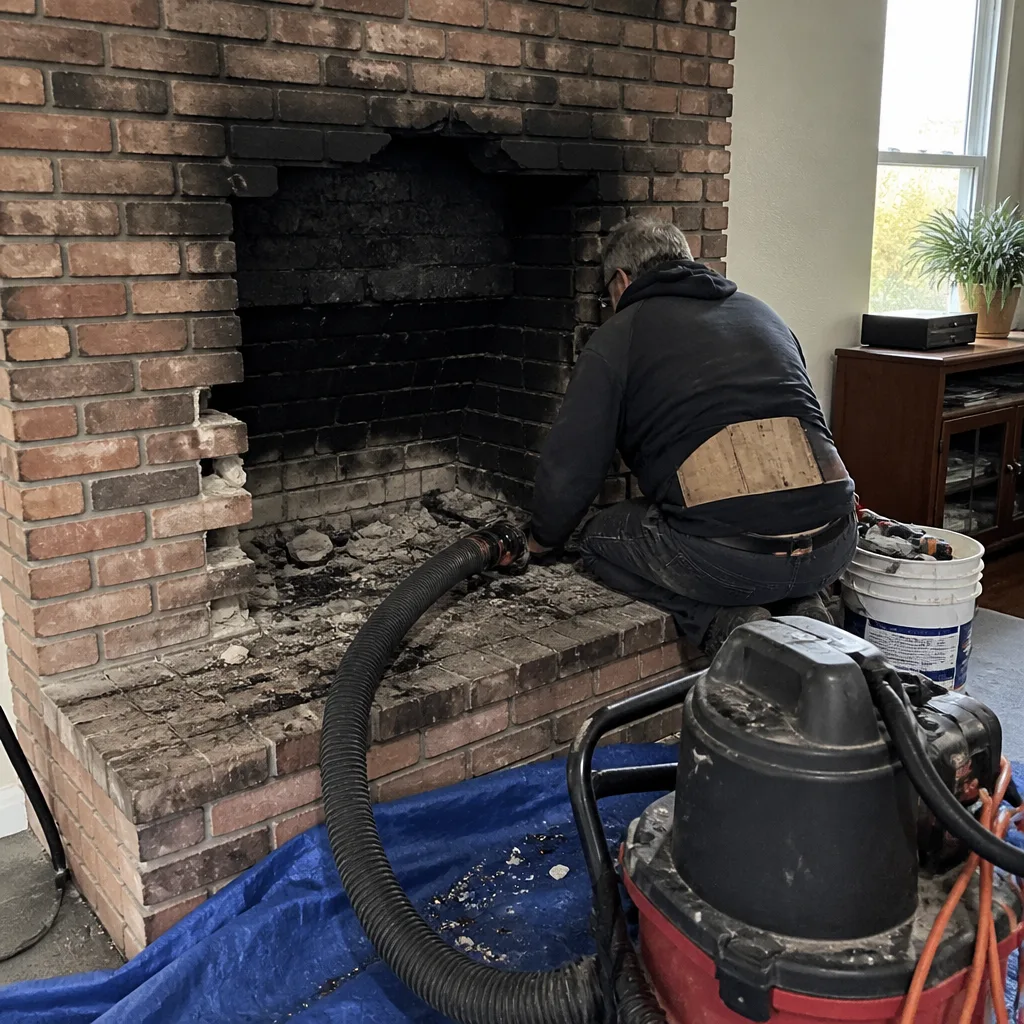 Before
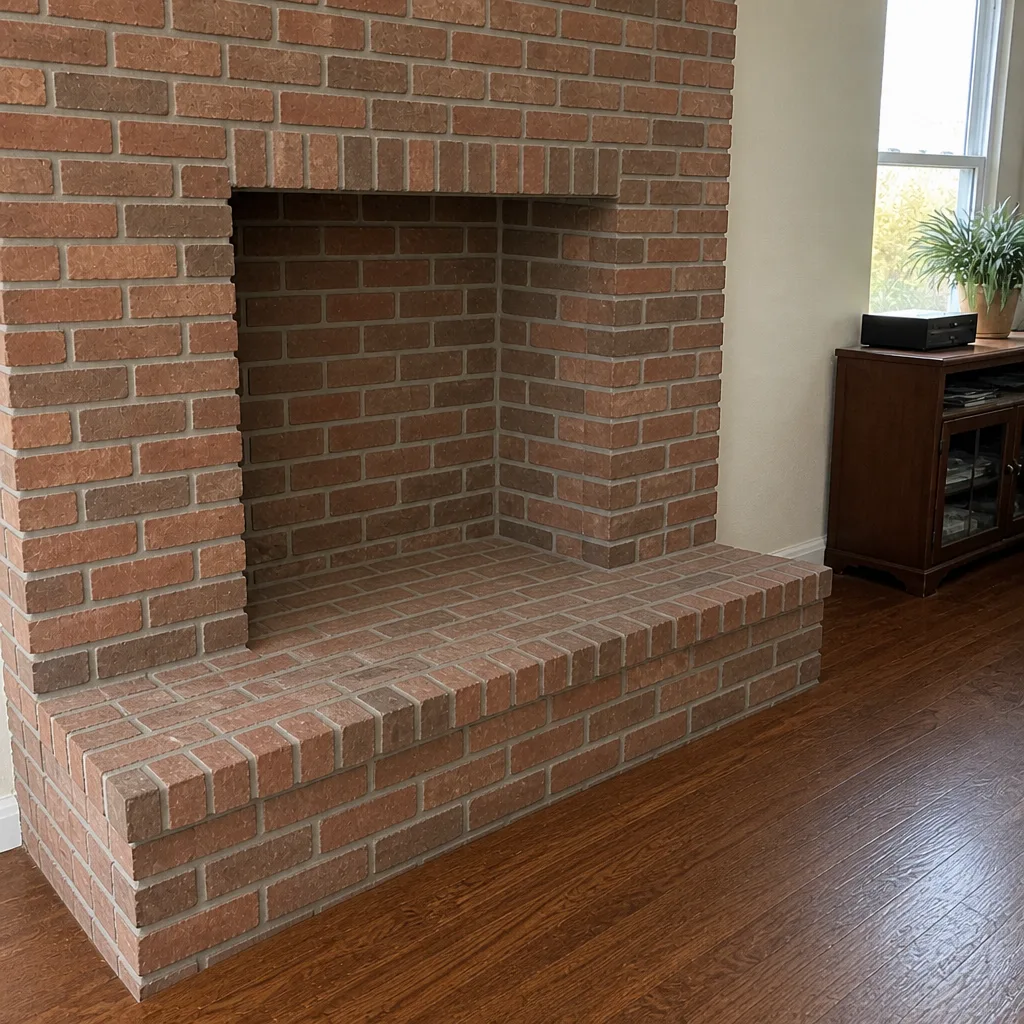 After
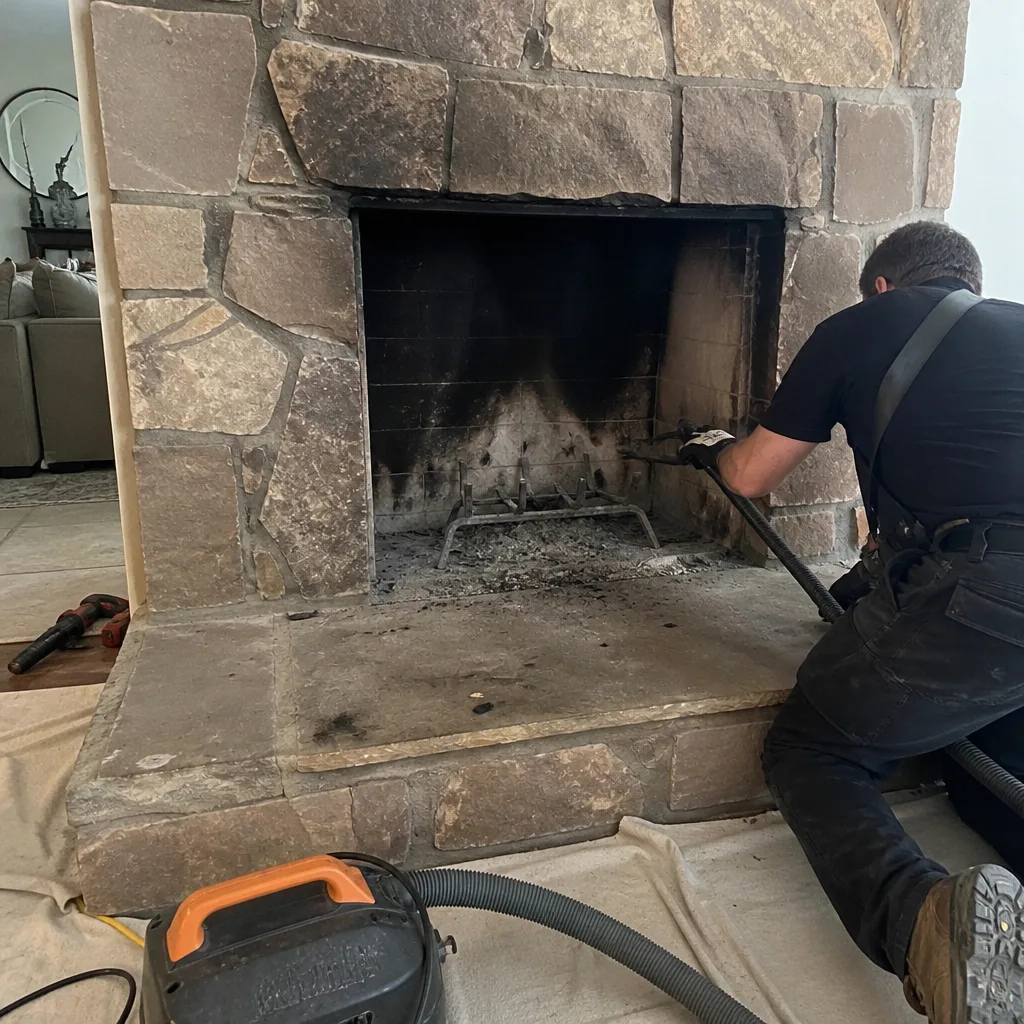 Before
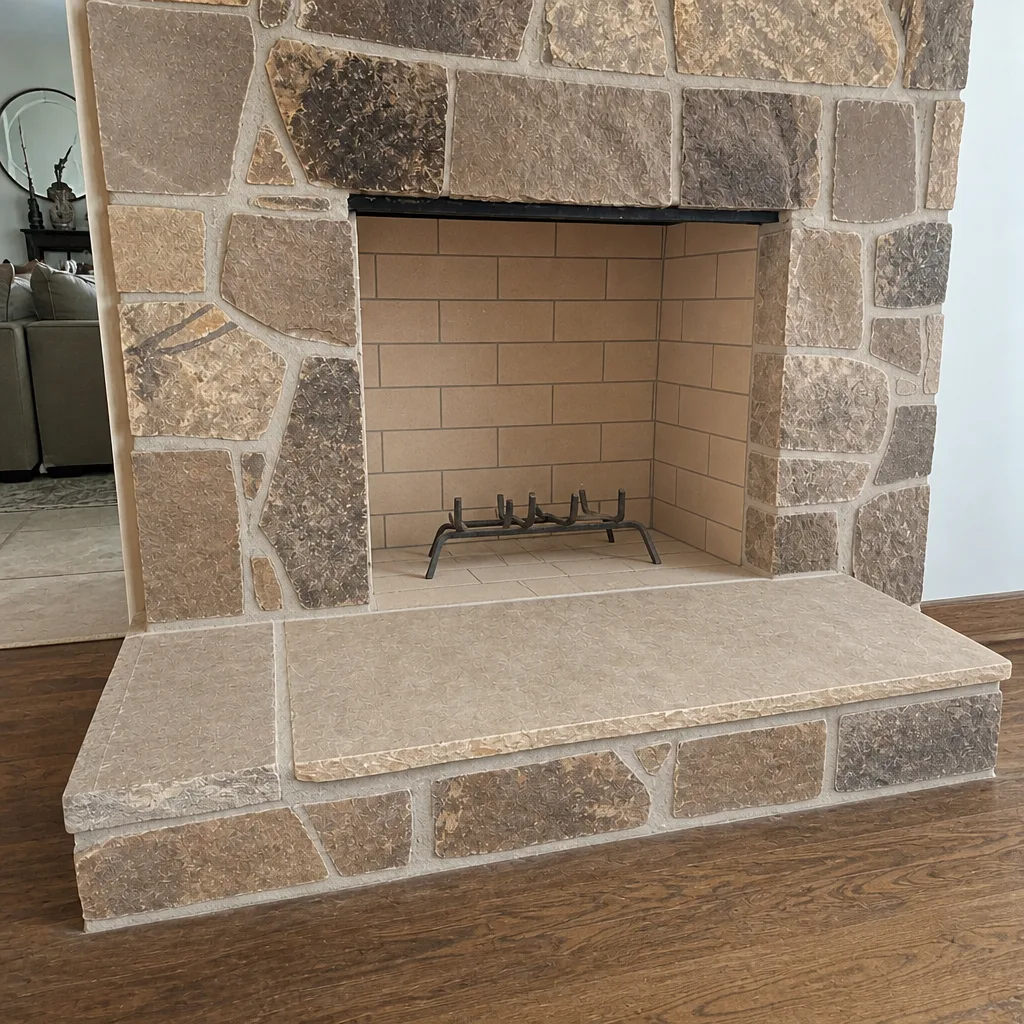 After
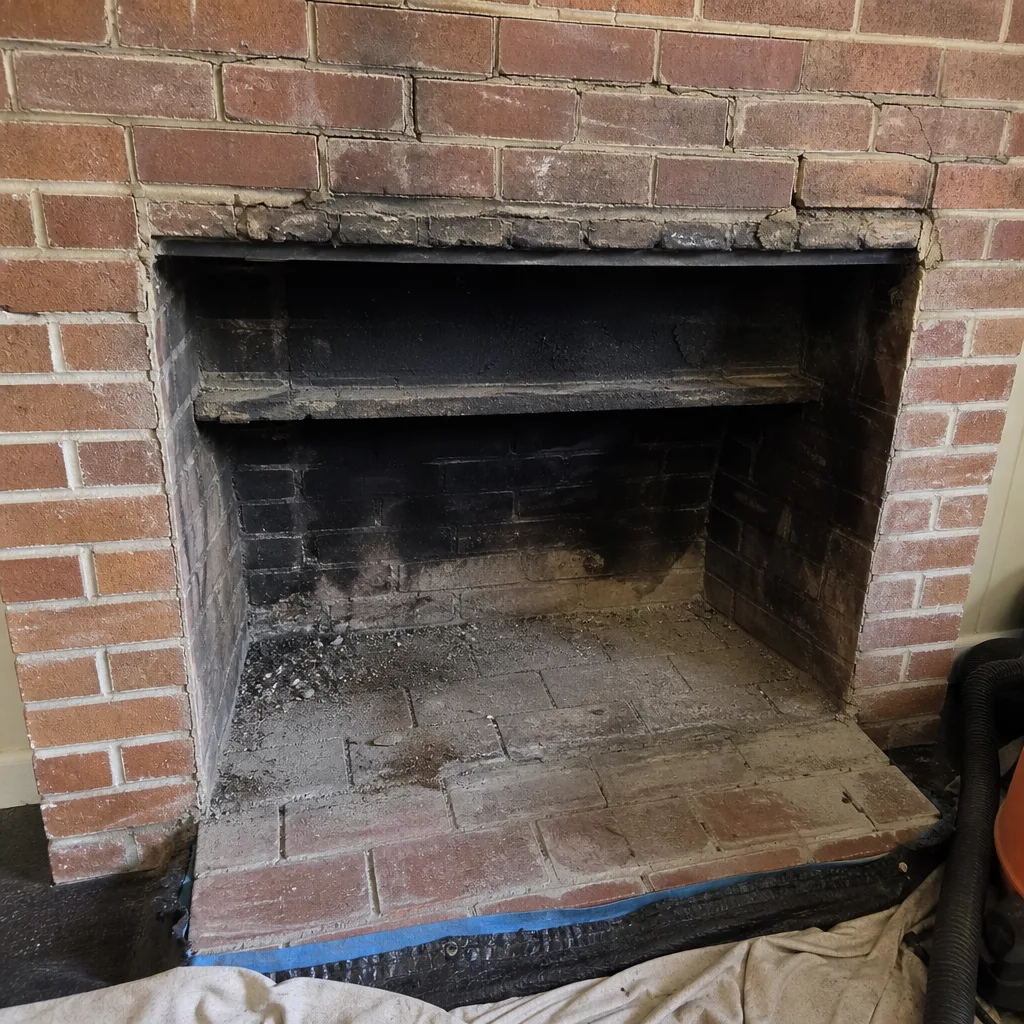 Before
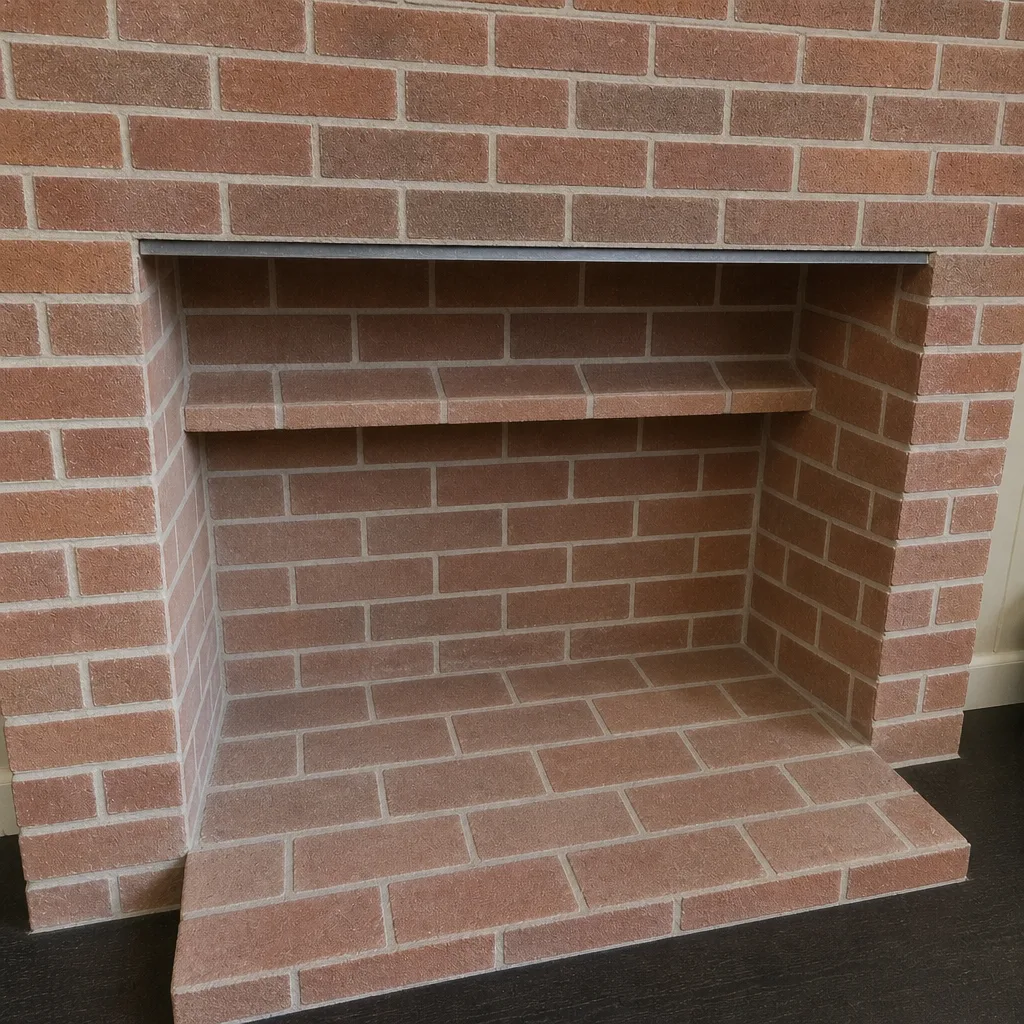 After