
Last updated November 23, 2026
 Sweep & inspection
 Caps & crowns
 Flue relining
 Masonry repair
 Gas fireplace service
Level 1 sweep and inspection to the NFPA 211 annual standard - flue, crown, cap, and flashing checked and photographed
Chimney sweep logs do not sweep chimneys. They loosen some creosote - which then falls where a brush and vacuum still have to collect it.
Chimney Sweep Troubleshooting in Seven Hills: Common Problems and How to Fix Them
A smoky firebox after a cleaning isn’t a sign the sweep did a bad job. It’s usually a sign the wrong problem got treated. Most homeowners in Seven Hills call us convinced they need a sweep, and plenty of them do. But creosote is only one of several things that make a chimney misbehave, and if the real issue is draft failure, a failing damper, or water getting into the masonry, a brush down the flue won’t touch it. This guide walks you through how to read your chimney’s symptoms before anyone shows up, so the work you pay for matches the problem you actually have.
Quick Answer
Most chimney problems in Seven Hills fall into three groups: creosote and soot buildup, draft and pressure failures, and water intrusion through the cap, crown, or masonry. A proper diagnosis starts with a Level 1 inspection, and any symptom involving smoke spillage, a damaged flue, or a recent chimney fire calls for a Level 2 inspection before repair work begins. Cleaning only fixes the first group. The other two need a repair, and knowing which one you’re facing is the whole game.
Styles & brands we work with
- Sweep & inspection
- Caps & crowns
- Flue relining
- Masonry repair
- Gas fireplace service
Table of Contents
- Start With Symptoms, Not With a Sweep
- Draft Failure vs. Creosote Buildup: The Newspaper Smoke Test
- What a White Stain on Your Chimney Exterior Really Means
- Why a Damper That ‘Works Fine’ Can Still Cause Back-Puffing
- Summer Smells vs. Winter Smells: Two Different Problems
- When You Need a Level 2 Inspection Before Any Repair
- The Repairs That Match Each Symptom
- Keeping a Seven Hills Chimney Out of Trouble
Start With Symptoms, Not With a Sweep
The single most useful thing you can do before calling anyone is write down what your chimney is doing and when it does it. Smoke rolling out of the firebox on a cold start is a different problem from smoke that appears twenty minutes into a burn. A smell in July is a different problem from a smell in January. Water staining high on the exterior is a different problem from water showing up at the firebox. Each points somewhere specific, and the pattern is what a technician reads first.
A useful symptom log covers four things:
- When it happens. Cold start, mid-burn, windy days, or when the furnace or bathroom fan kicks on.
- What you see. Smoke spillage, soot at the firebox opening, white staining outside, dark streaks on the chimney face.
- What you smell. Sharp creosote odor, sour or musty damp smell, or a smoky smell that lingers after the fire is out.
- What changed. A new roof, new windows, added insulation, a new appliance vented elsewhere in the house, or a chimney that sat unused for a season.
That last category matters more than most people realize. Sealing a house tighter, which is common in Seven Hills homes built or updated in recent years, changes the pressure balance inside, and a chimney that drafted perfectly ten years ago can start back-puffing without a single thing changing inside the flue itself. When you call Chimney Sweep Seven Hills, this log shortens the diagnosis and keeps you from paying for a cleaning that solves nothing.
Draft Failure vs. Creosote Buildup: The Newspaper Smoke Test
You can separate a draft problem from a creosote problem in about five minutes without tools. The principle is simple: a chimney that can’t pull smoke up won’t pull it up whether it’s clean or dirty, and a chimney blocked by creosote will fail this test even when the flue is warm. Run the test on a cold chimney before you light anything.
- Make sure the damper is fully open and the firebox is empty of ash and debris.
- Roll a few sheets of newspaper into a loose tube and light the end.
- Hold the smoking roll just inside the top of the firebox, below the damper, and watch the smoke.
- If the smoke rises straight up and out, your basic draft is working. A backup at the firebox here suggests blockage or a closed or broken damper.
- If the smoke hangs, curls, or spills into the room, you have a draft failure. Note whether it improves when you crack a nearby window. If it does, you’re dealing with a pressure problem, not a blockage.
Creosote buildup shows itself differently. You’ll often see a glossy, tar-like glaze on the flue walls, a heavy soot layer at the top of the firebox, or a restricted flue you can feel with a flashlight and a mirror. A draft that works when cold but fails once the fire is established is also a classic sign that the flue is partially closed off by glazed creosote. That glaze is combustible, and it’s the reason chimney sweep work exists in the first place. A brush removes loose soot. Heavy glazed creosote often needs more than a brush, which is why the inspection comes before the cleaning, not after. You can’t fix what you haven’t seen.
What a White Stain on Your Chimney Exterior Really Means
A chalky white stain on the outside of a brick chimney is called efflorescence, and it’s a water signal, not a cosmetic one. It forms when moisture moves through the masonry, dissolves salts inside the brick and mortar, and deposits them on the surface as the water evaporates. Seeing it once after a heavy storm is one thing. Seeing it come back season after season means water is entering somewhere and migrating through the chimney body.
In our experience, the water almost always enters at one of four points:
- The crown. The concrete cap on top of the chimney cracks as it ages, and a cracked crown lets water in with every storm season. This is the most common single source we find.
- The cap and spark screen. A missing or rusted-out cap leaves the flue open to rain and snow. Water running straight down the flue is a direct path to a damaged liner.
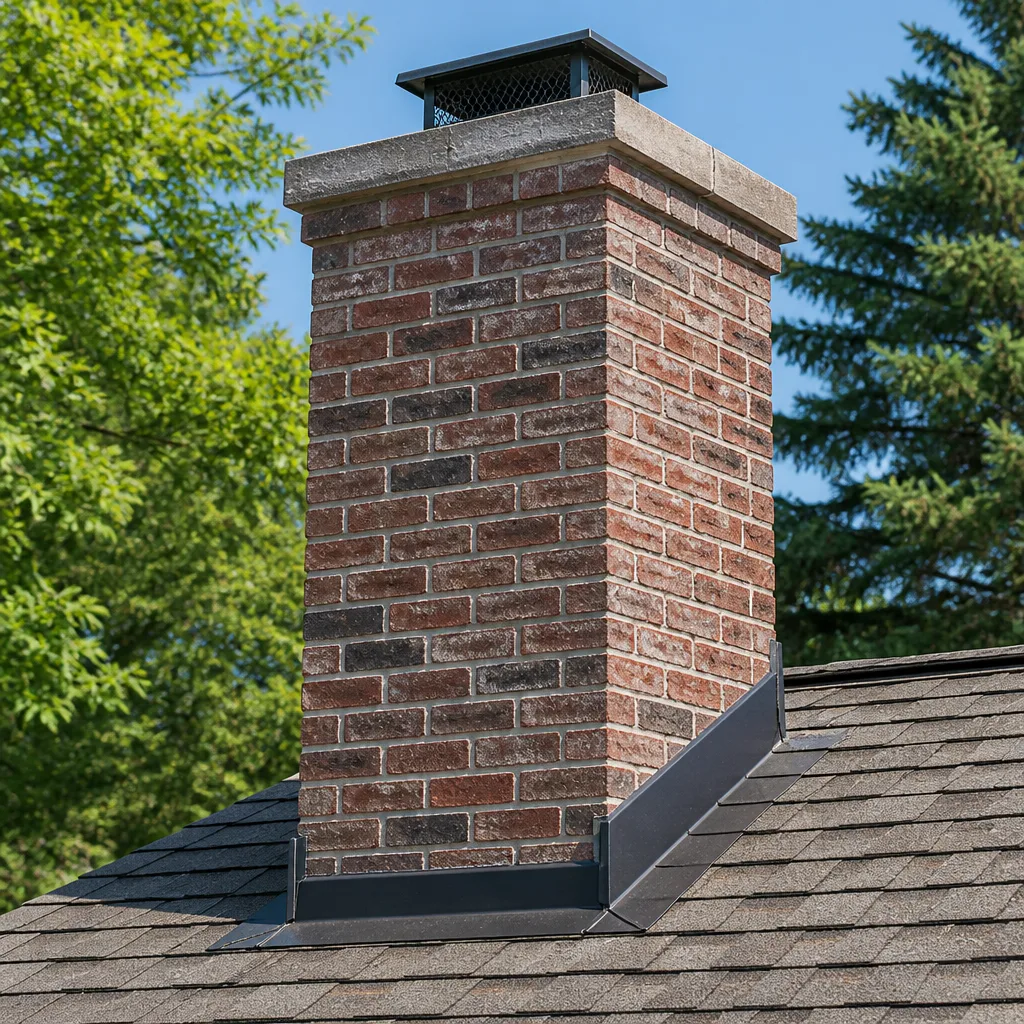
- Failed flashing. The metal where the chimney meets the roof opens up over time, and water tracks down the chimney sides.
- Spalling brick and mortar joints. Once water is inside the masonry, freeze-thaw cycles in Colorado push brick faces off and open the joints further. That’s when efflorescence turns into actual structural loss.
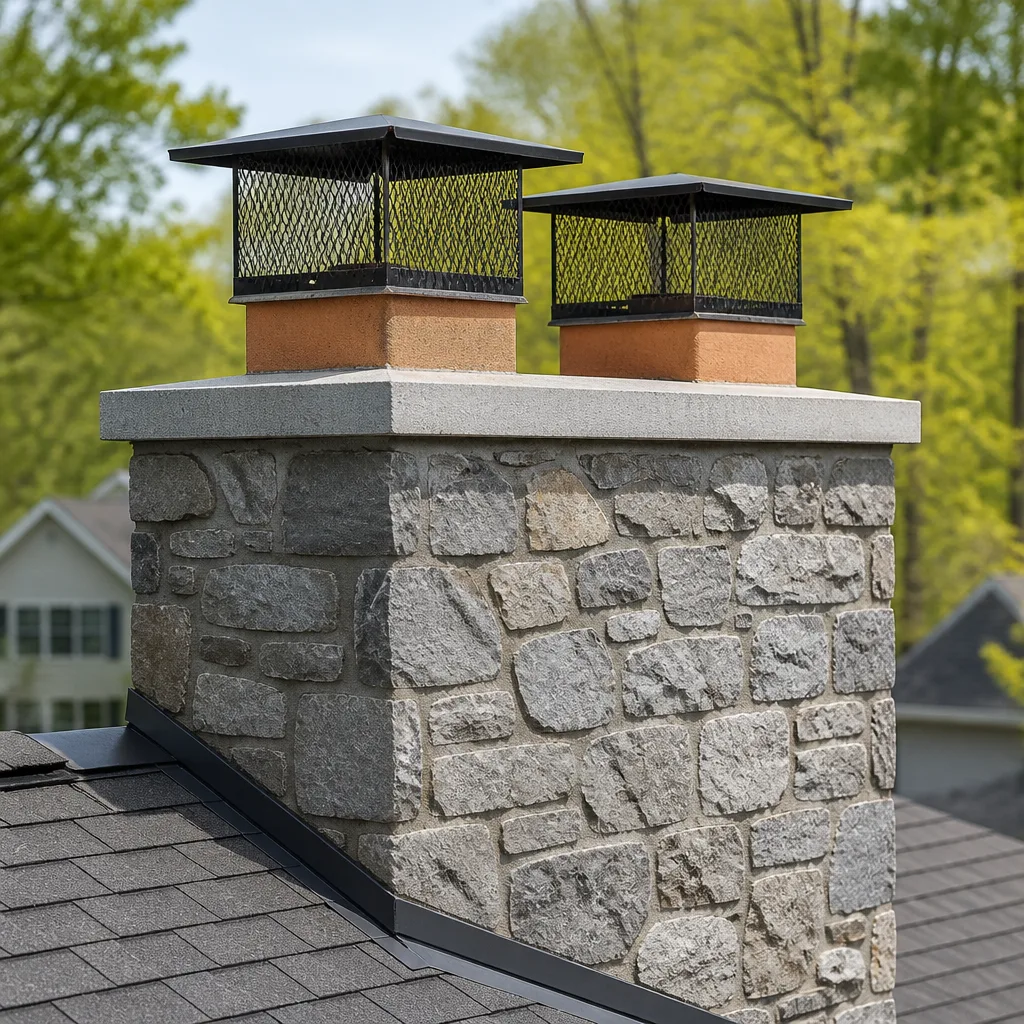
This is why chimney cap & crown work matters as much as cleaning. A cap and a sound crown keep the water out in the first place, and they’re far less expensive than rebuilding a chimney face that’s already spalling. If you see white staining that returns, get someone on the roof to look at the crown before you spend money on anything inside the flue.
Why a Damper That ‘Works Fine’ Can Still Cause Back-Puffing
A damper can open and close smoothly and still be the root of a back-puffing problem. Back-puffing is the pulsing spill of smoke into the room, usually on start-up or in gusty weather, and it happens when the chimney can’t maintain a steady upward draft against competing pressure. A damper that doesn’t seal when closed, or one that sits slightly off its seat when open, changes how much air the fire gets and how much the flue can pull.
Altitude adds a layer here that flatland advice misses. At Seven Hills elevations, the air is thinner, and the pressure differential across the firebox is smaller than at sea level. A flue sized or dampered for low elevation will push smoke back into the room under the right conditions. That’s not a manufacturing defect; it’s a system running outside the range it was designed for. We see this often in homes where a fireplace was added or a flue was relined by someone who didn’t account for the local pressure behavior. Draft is a system property, not a component property, and the damper is part of that system.
Three things to check before assuming your damper is innocent:
- Open the damper fully and confirm the plate actually clears the flue throat all the way. Partial opening is common and often invisible from the room.
- Compare behavior on a still day against a windy day. Gust-driven back-puffing usually points to a pressure or termination problem, not a damper that’s simply too tight.
- Check whether back-puffing begins when the clothes dryer, bathroom fan, or kitchen hood turns on. If it does, the house is pulling air down the chimney, and the damper is being blamed for a house-pressure problem.
When a damper or the firebox components are the culprit, the actual repair belongs to fireplace repair rather than a sweep. Getting that classification right the first time saves you a repeat visit.
Summer Smells vs. Winter Smells: Two Different Problems
A chimney that smells in summer and a chimney that smells in winter are telling you about two different mechanisms, and treating one like the other wastes money. Summer odor is usually a moisture and creosote problem. Winter odor is usually a pressure problem. The same smell, two completely different fixes.
Summer odor: creosote and moisture
In warm months, the chimney is cool and the house is humid. Creosote left on the flue walls absorbs moisture from the air, and that damp creosote releases a sour, smoky odor that drifts back into the living space. The fix starts with removing the creosote, then addressing the moisture path that’s feeding it. A missing cap is a common contributor, since it lets rain in directly. Heavy glazed deposits that a brush won’t remove are where a resurfacing product like HeatShield earns its place, because the goal is a smooth, sealed flue surface that creosote can’t cling to as readily.
Winter odor: negative air pressure
In winter, the house is sealed tight against the cold, and every exhaust fan and furnace pulls air from wherever it can. If your chimney is the easiest path, it pulls air down the flue and pushes that smoky, sooty smell into the room. The flue itself may be clean. The problem is that the house is running under negative pressure relative to the outside. Cracking a window near the fireplace for a few minutes during start-up is a useful diagnostic: if the smell clears, you’ve found a pressure issue, not a cleaning issue. Solving it can mean adjusting how the house vents, upgrading the termination, or correcting flue sizing, and it’s worth a dedicated inspection rather than another sweep.
When You Need a Level 2 Inspection Before Any Repair
NFPA 211 lays out the inspection levels, and the one that gets skipped most often is Level 2. A Level 1 inspection is the visual check that goes with a routine sweep. A Level 2 inspection goes further, using a camera to look at the flue interior and the hidden parts of the system, and it’s required in several specific situations before repair work starts. If you’re scheduling work on a chimney in Seven Hills, here’s when Level 2 should come first:
- After a chimney fire, even a small one that seemed to go out on its own.
- After an earthquake, a lightning strike nearby, or any event that could have shifted the structure.
- When the property changes hands, whether you’re buying or selling.
- When you change the type of fuel or appliance the chimney serves.
- When you replace the liner or make any change to the flue.
- When a prior problem keeps coming back after repairs.
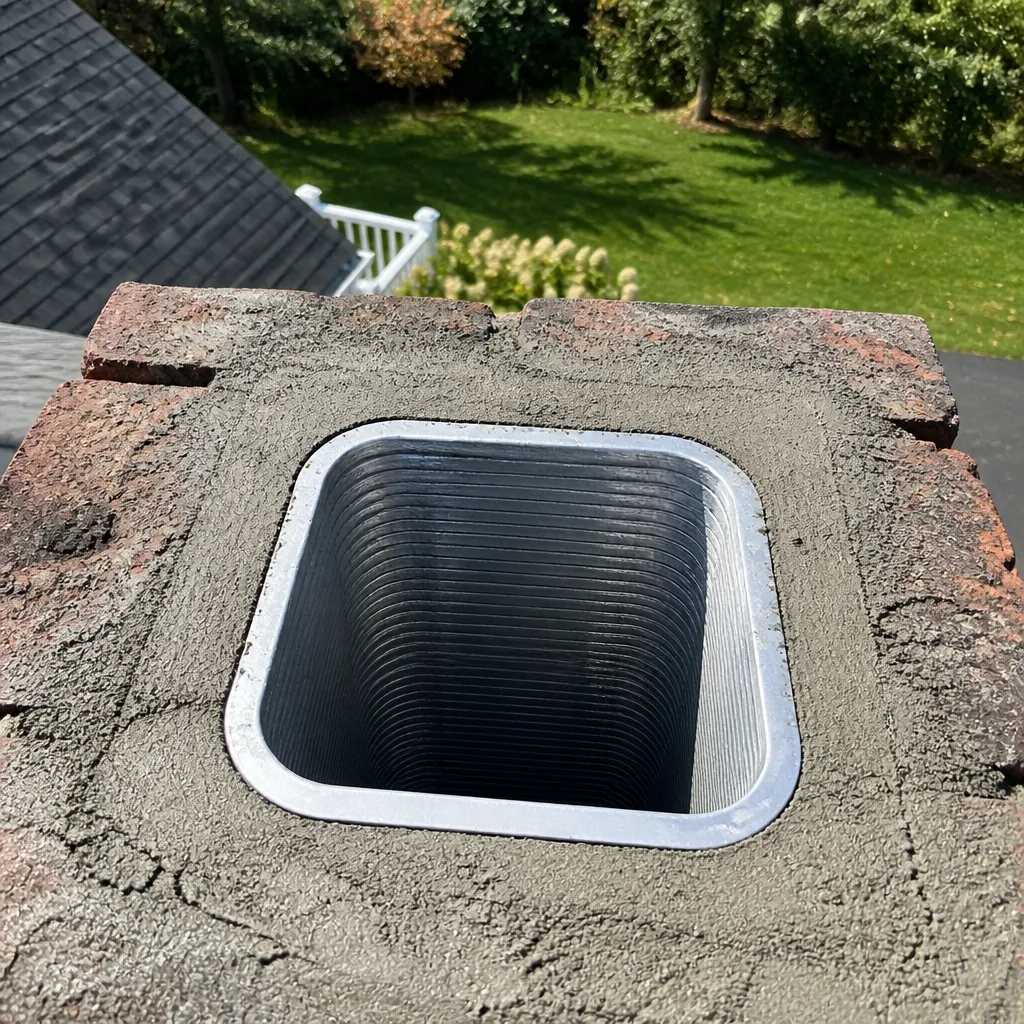
A camera inspection is the difference between guessing and knowing. It shows cracked flue tiles, gaps at the joints, glazed creosote, and the condition of the smoke chamber, which you cannot see from the firebox. It also produces a photo record you can look at yourself, which matters when someone recommends a liner replacement. Nothing is recommended without evidence you can see. When a flue needs relining, we use DuraFlex flexible liner systems because they handle offsets and irregular flues better than rigid alternatives and hold up over a long service life. For flues that need resurfacing rather than full relining, HeatShield restores the existing flue from the inside. Both decisions come out of a Level 2, not a sales pitch.
The Repairs That Match Each Symptom
Matching symptom to repair is the heart of troubleshooting, and it’s where a generalist usually defers and a chimney specialist commits. Here’s the mapping we work from, with the professional-grade materials behind each one.
Symptom: smoke spillage on cold start
Start with the inspection. If the flue is blocked or restricted, a cleaning resolves it. If the flue is clear but draft is weak, check the damper and the termination. A spark-arresting cap that’s clogged with soot or bird nesting restricts flow, and an open flue with no cap lets everything in. We install caps from brands like Olympia Chimney because a proper cap both keeps water and animals out and preserves the draft the flue was sized for.
Symptom: white staining and spalling masonry
Address the crown and the cap first. A cracked crown lets water in every storm season, and no interior work will hold if water keeps entering. Crown repair and replacement closes the path before any interior repair begins. Gelco crown materials are part of what we use for crown work because they hold up to freeze-thaw better than a plain mortar skim.
Symptom: recurring smoky smell in summer
Clean first, then deal with what the cleaning exposes. Glazed creosote that survives a brush is where liner resurfacing comes in, and a smooth flue surface resists future creosote buildup. If the flue is actually damaged, a flexible liner is the durable path, and that’s a DuraFlex job. Either way, the moisture source has to be closed or the problem returns.
Symptom: back-puffing only in winter
This is a pressure problem, so the repair is about air and termination rather than soot. Check the flue termination height and the cap, and look at how the house exhausts air. Sometimes the fix is as simple as proper flue height above the roof line; sometimes it means correcting how the chimney interacts with the rest of the house’s venting.
The pattern across all four: clean and inspect first, then repair the component the evidence points to, using materials rated for the job. That’s the full-service approach we take, with inspection, sweep, cap and crown, fireplace repair, and chimney repair from one company. No referral handoffs and no unfinished problems left for someone else to inherit.
Keeping a Seven Hills Chimney Out of Trouble
Most expensive chimney repairs start as small, unaddressed water and creosote problems. Prevention in Seven Hills means paying attention to the swing seasons. The weeks before burning season begins are the right time to inspect, sweep, and close any water paths, because a cracked crown discovered in October is a repair; a cracked crown discovered in March, after a winter of freeze-thaw, can be a rebuild.
A practical annual routine:
- Late summer or early fall: schedule a sweep and Level 1 inspection before you burn. Confirm the cap is intact and the damper operates fully.
- After the first big storm: look at the chimney exterior from the ground. Fresh white staining or new spalling means water is getting in.
- Mid-season: check for soot at the firebox opening and watch for any change in how the fire drafts. New back-puffing is a signal, not a nuisance.
- Spring: confirm the crown and flashing came through winter intact, and that the cap is still seated.
The other prevention lever is fuel and burning habits. Seasoned wood and a hot, active fire produce less creosote than a smoldering fire on unseasoned wood. It’s a simple change that reduces how often the flue needs service, and it makes each sweep more effective when it does happen.
Common Mistakes to Avoid
- Treating every chimney problem as a cleaning problem. A sweep fixes soot and loose creosote. Smoke spillage, back-puffing, and water intrusion need a diagnosis and usually a repair. Paying for a cleaning that doesn’t solve your symptom is the most common wasted visit we see.
- Skipping the inspection to save time. You can’t sweep what you haven’t seen, and a cleaning done without looking at the flue interior can miss cracked tiles or glazed creosote. The inspection is the starting point, not the upsell.
- Ignoring efflorescence as cosmetic. That white stain is a water path showing itself. Left alone through a Colorado freeze-thaw cycle, it turns from staining into spalling brick and mortar loss.
- Blaming the sweep when smoke comes back. If smoke spills after a cleaning, the cleaning likely addressed the wrong problem. Get a Level 2 inspection to see the flue and smoke chamber before assuming the sweep did poor work.
- Running a fire with a missing or damaged cap. An open flue lets rain, snow, and animals straight down to the liner. A cap is a small repair that prevents a large one.
- Using a general handyman for liner work. Liner sizing, resurfacing, and flexible liner installation require chimney-specific materials and know-how. Most general contractors can’t source HeatShield or size a DuraFlex system correctly, and a poorly fitted liner can fail at the joints.
- Skipping the Level 2 after a chimney fire. Even a fire that seemed minor can leave damage inside the flue that a visual check misses. NFPA 211 calls for a Level 2 in that situation, and it’s the only way to know the flue is sound.
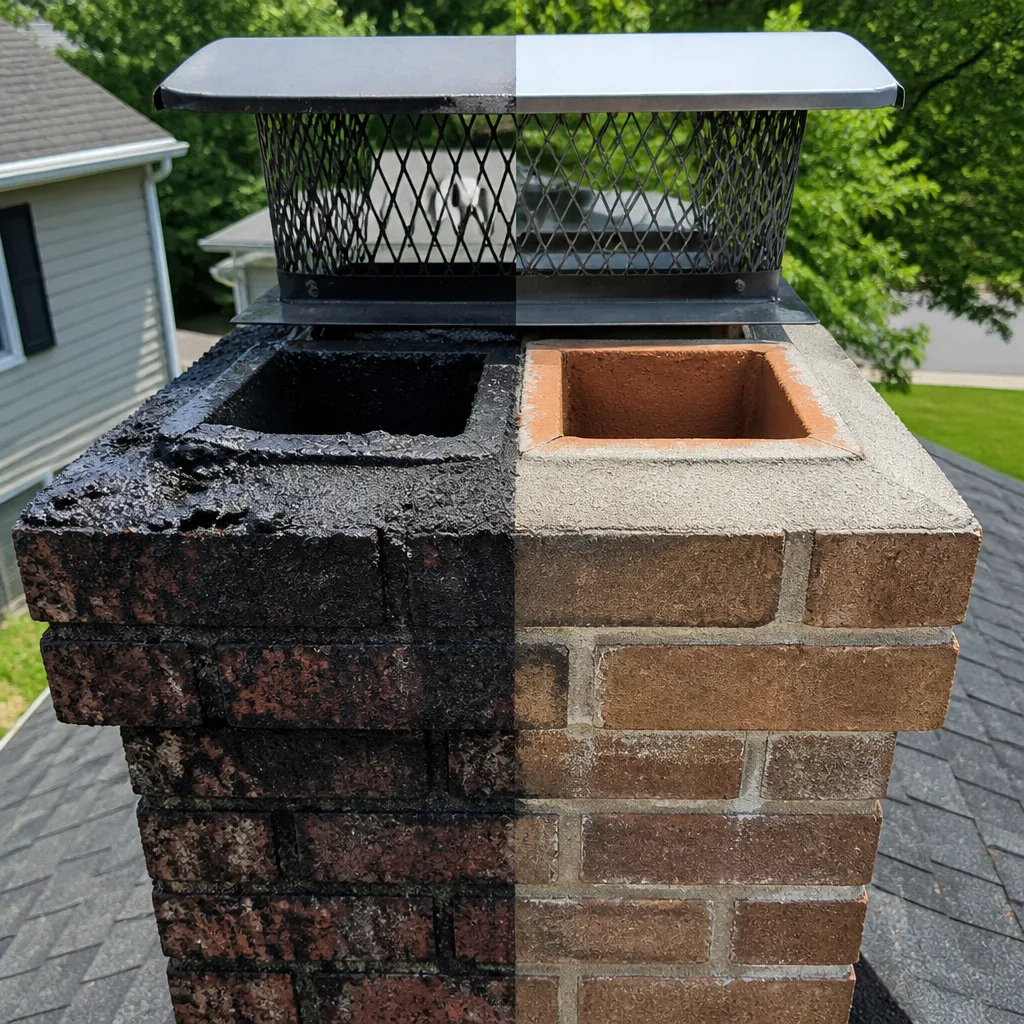
See the difference
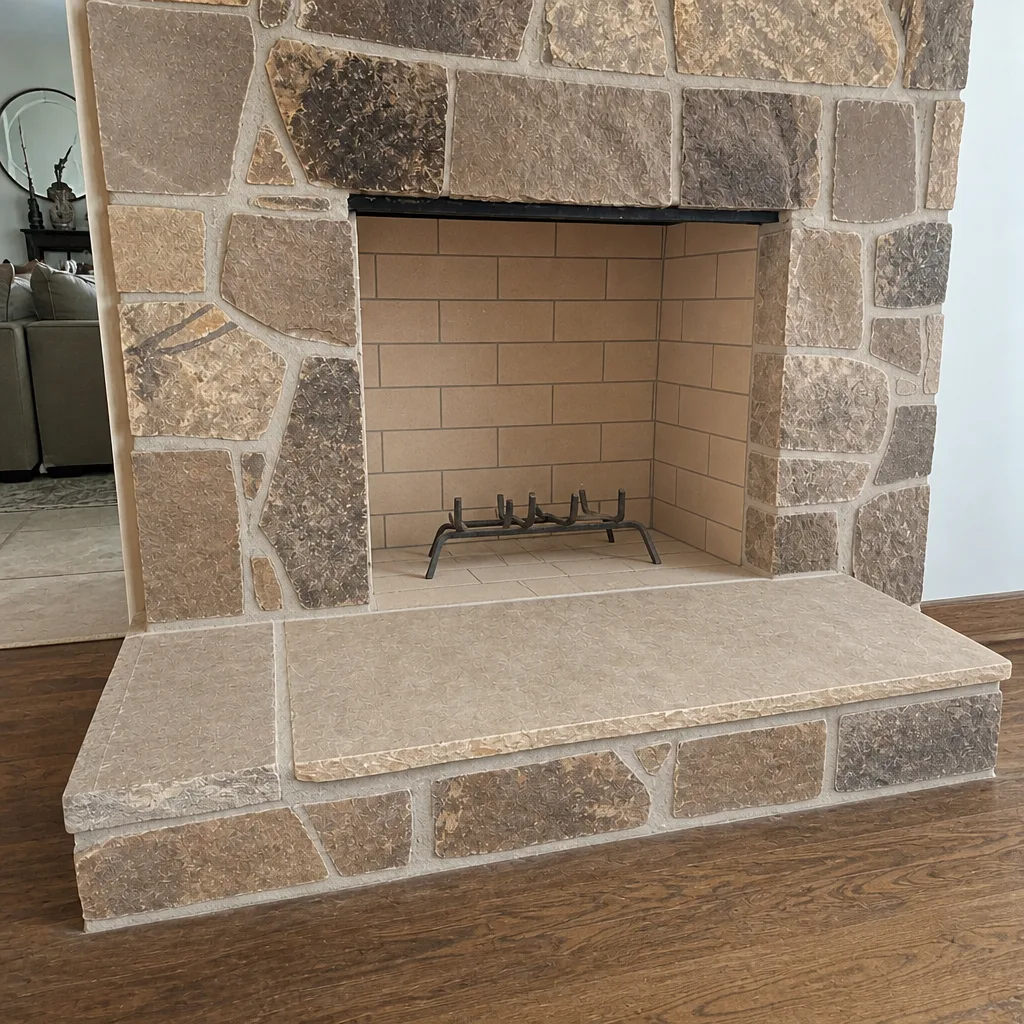
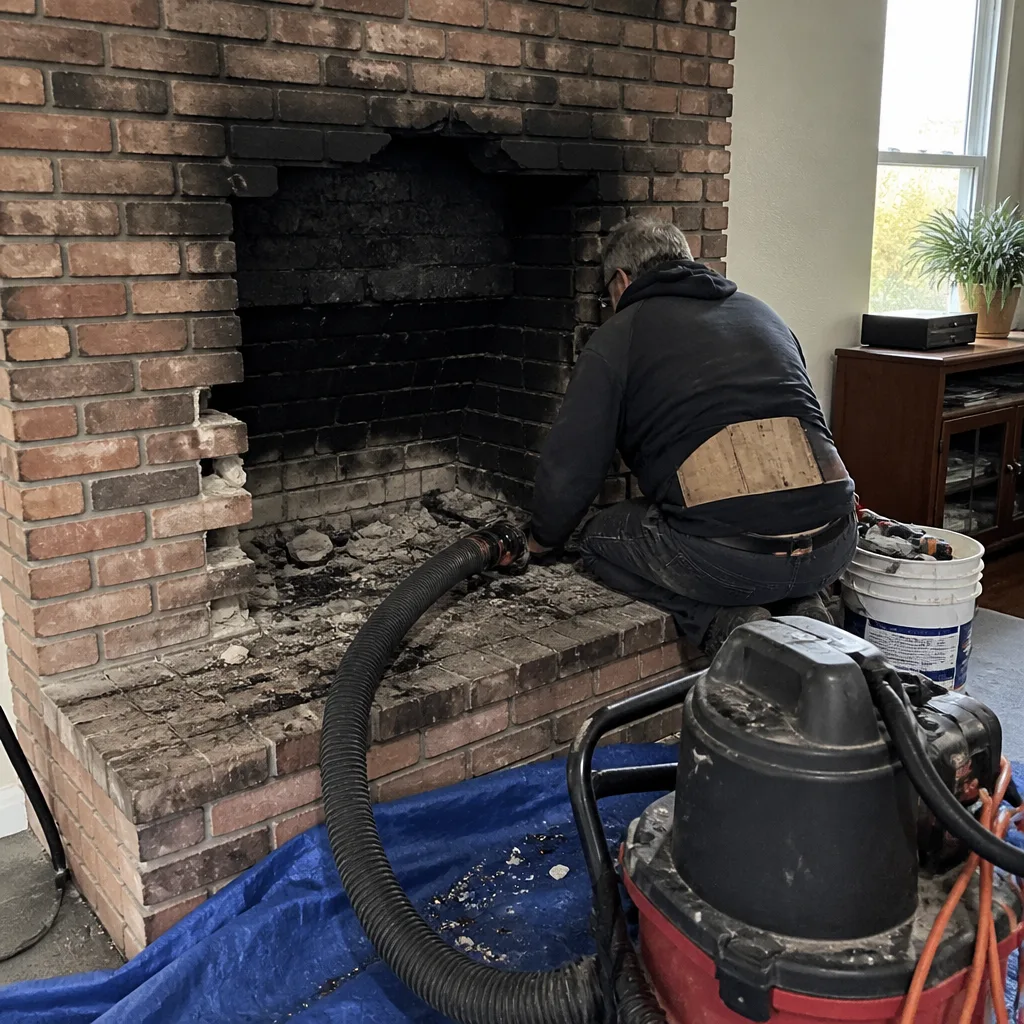 Before
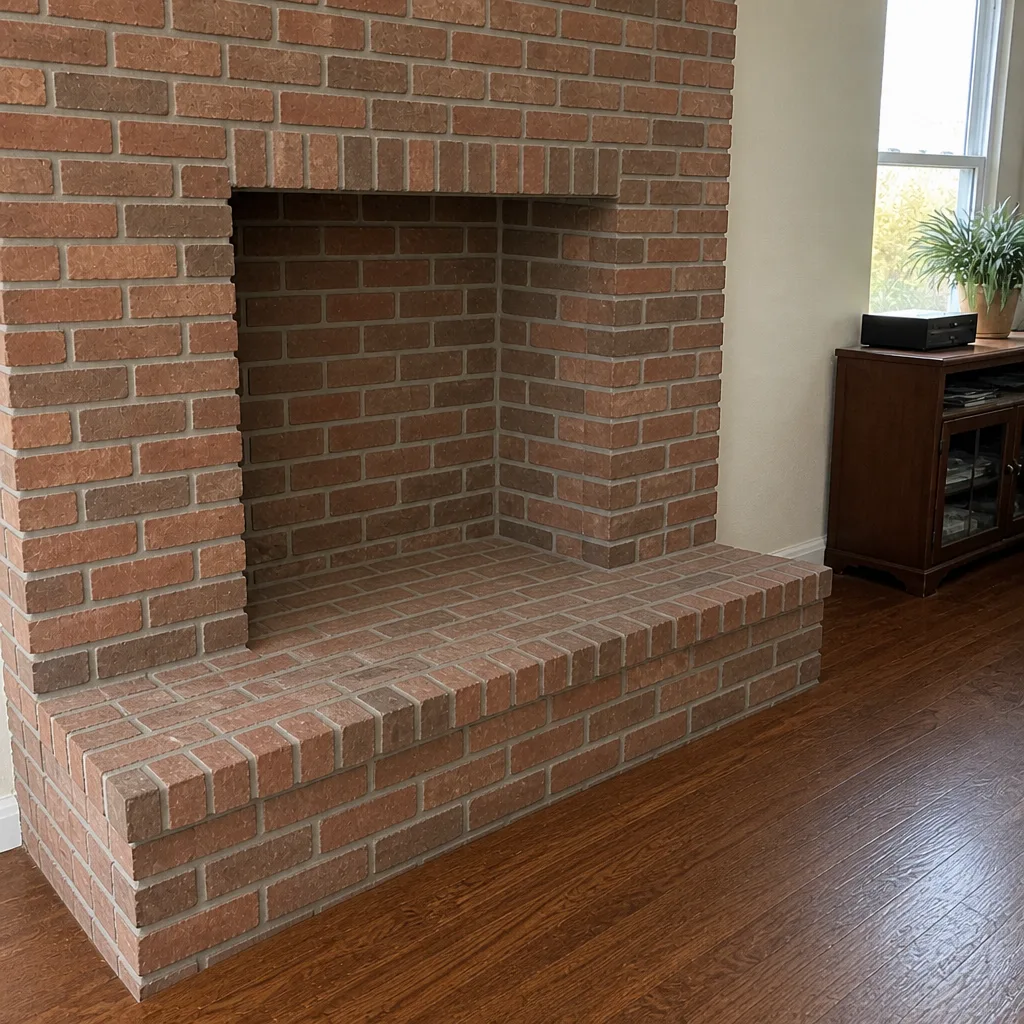 After
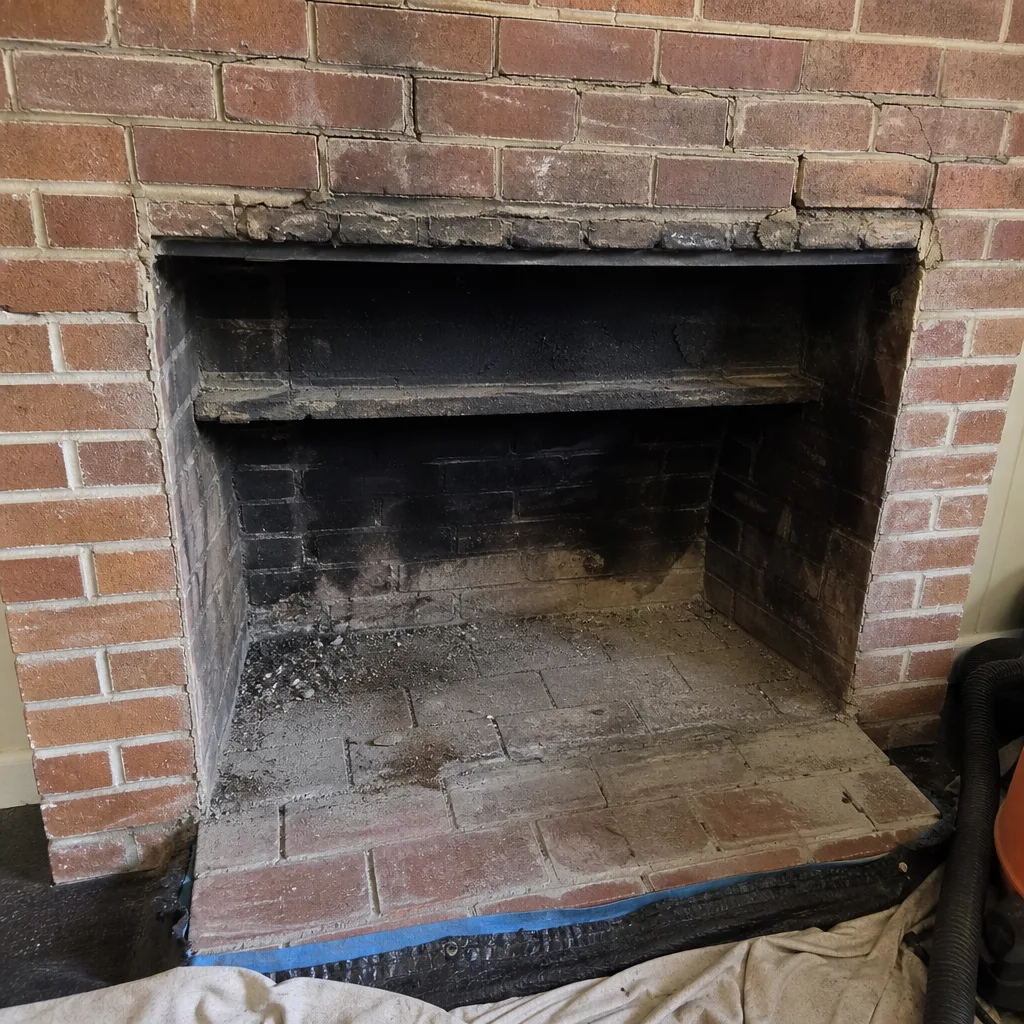
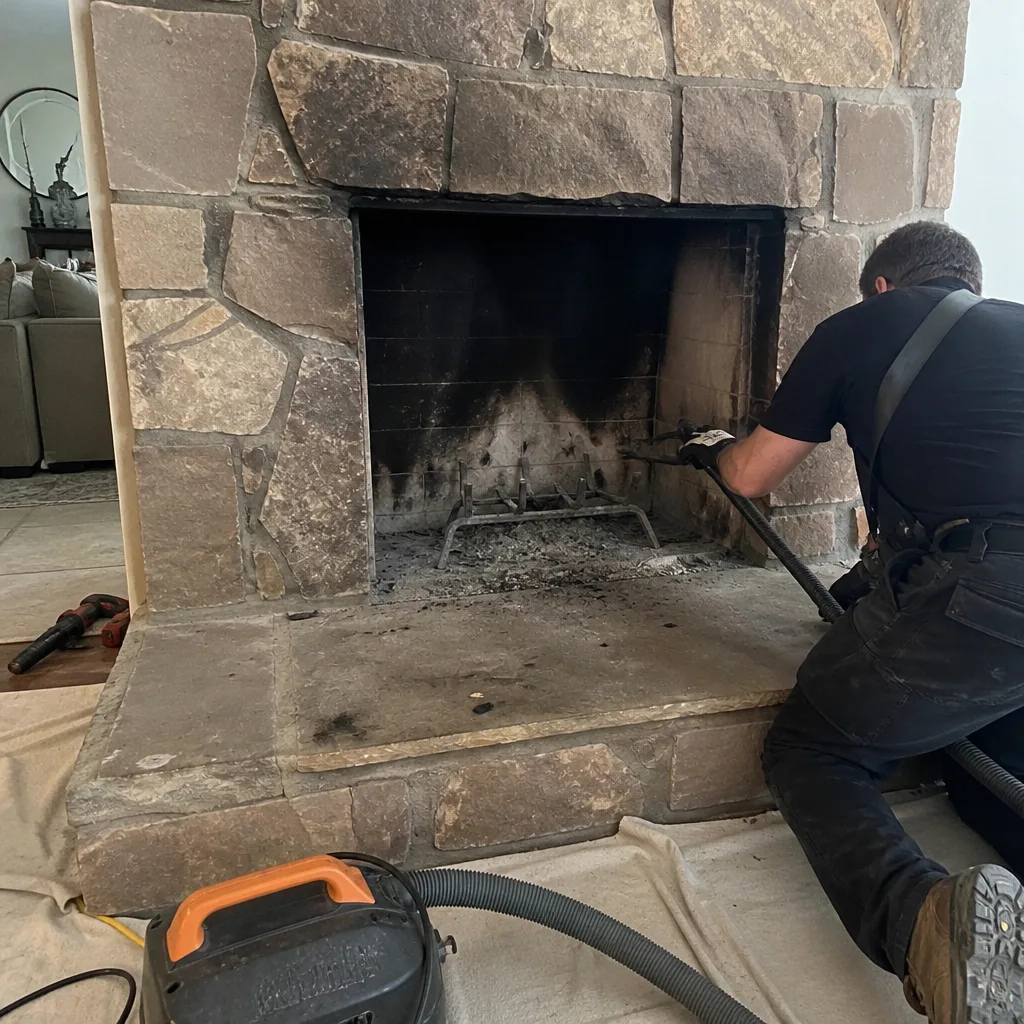 Before
 After
 Before
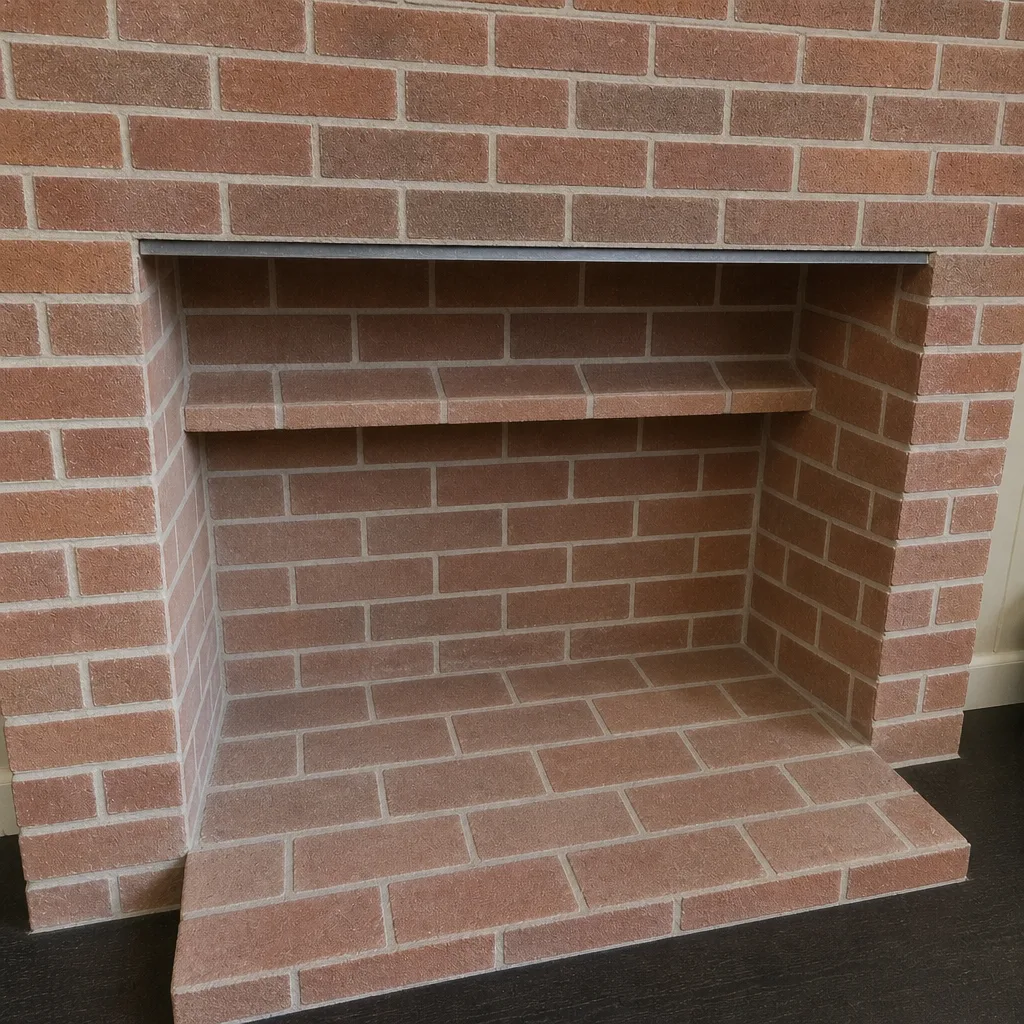 After
When to Call a Professional
Some symptoms are worth a phone call right away, and some can wait for a scheduled visit. Call a professional now if you’ve had a chimney fire, if smoke is spilling into the room and won’t clear, if you smell gas or notice a carbon monoxide alarm going off near the fireplace, if the chimney face is spalling badly, or if you’ve never had the system inspected and don’t know its condition. Schedule a visit for routine sweeping, for a damper that’s sticking, for a cap that’s missing or loose, or for white staining you want looked at before it spreads. Our technicians have up to 10 years of experience, and the local professional who does the work is licensed and insured as their state requires. Chimney Sweep Seven Hills offers free estimates in Seven Hills. Call (866) 937-8581. We answer 24/7, with fast dispatch from 7am to 7pm, Sunday through Friday.
Frequently Asked Questions
For most wood-burning fireplaces, an annual inspection and a sweep when the inspection shows buildup is the standard. Gas fireplaces need less frequent sweeping but still benefit from an annual inspection to check the venting and the firebox. If you burn heavily through the winter, check for soot and draft changes mid-season and sweep before the next burning season begins.
You need a new liner only when the flue can’t safely carry what your appliance produces, and that’s something a camera inspection can show you. Cracked tiles, gaps at the joints, or a flue that’s been damaged by a prior fire are real reasons to reline. Ask to see the photos. Nothing should be recommended without evidence you can look at yourself.
A summer smell is usually damp creosote absorbing humidity and releasing it back into the room, which points to buildup and a moisture path like a missing cap. A winter smell is usually negative air pressure pulling air down the flue when the house is sealed tight. Same smell, two different causes, so the fix depends on which season it shows up.
Only if the blockage was the cause. If the flue is clear and smoke still spills, you’re looking at a draft, damper, or pressure problem, and a cleaning won’t touch it. That’s why we inspect before we sweep. The newspaper smoke test at the firebox will tell you which category you’re in before you call.
It means water is moving through the masonry and leaving salt deposits behind as it dries. That’s efflorescence, and it points to a water path at the crown, cap, flashing, or masonry. Seeing it once is one thing; seeing it return season after season means the entry point needs finding and closing before freeze-thaw causes real damage.
A Level 2 inspection is called for after a chimney fire, after an earthquake or other event that could have shifted the chimney, when a property changes hands, when the fuel type or appliance changes, when the liner is replaced, or when a problem keeps coming back after repairs. It uses a camera to see the parts a visual check can’t reach, and it should come before any repair work begins.
Sometimes, but not usually on its own. A damper that doesn’t open fully or doesn’t seat correctly changes airflow, and at Seven Hills elevation the thinner air and smaller pressure differential make the system more sensitive to it. Back-puffing that starts when an exhaust fan runs points to house pressure rather than the damper itself.
You might be fine, but you won’t know. The risk is that a creosote buildup or a cracked crown goes unnoticed through another season. Creosote is what chimney fires burn, and water is what destroys masonry. Skipping service doesn’t create those problems; it just means no one catches them while they’re still small repairs.
The Bottom Line
Chimney problems split into three tracks: buildup, draft and pressure, and water intrusion. Cleaning fixes buildup. Draft and pressure problems need a diagnosis and a repair tied to the actual cause, often the damper or the flue termination. Water intrusion is a cap-and-crown problem first and a masonry repair second. You can sort out which track you’re on with a symptom log and a five-minute newspaper smoke test, and any doubt calls for a Level 2 inspection before repair work starts. Read the symptom before booking the work, and the repair you pay for will match the problem you actually have.
If you’d like a straight diagnosis backed by a camera inspection and a written estimate, call (866) 937-8581 for a free estimate. We answer 24/7, with fast dispatch from 7am to 7pm, Sunday through Friday. Our technicians have up to 10 years of experience and install from a curated set of professional-grade brands, including HeatShield, DuraFlex, Gelco, Olympia Chimney, Famco, and Copperfield. A flat-price sweep is agreed before booking, the camera inspection and photo report are included, and the estimate sets the final price. Call today and we’ll help you read your chimney’s symptoms correctly.
Written by the team at Chimney Sweep Seven Hills.