
Last updated November 23, 2026
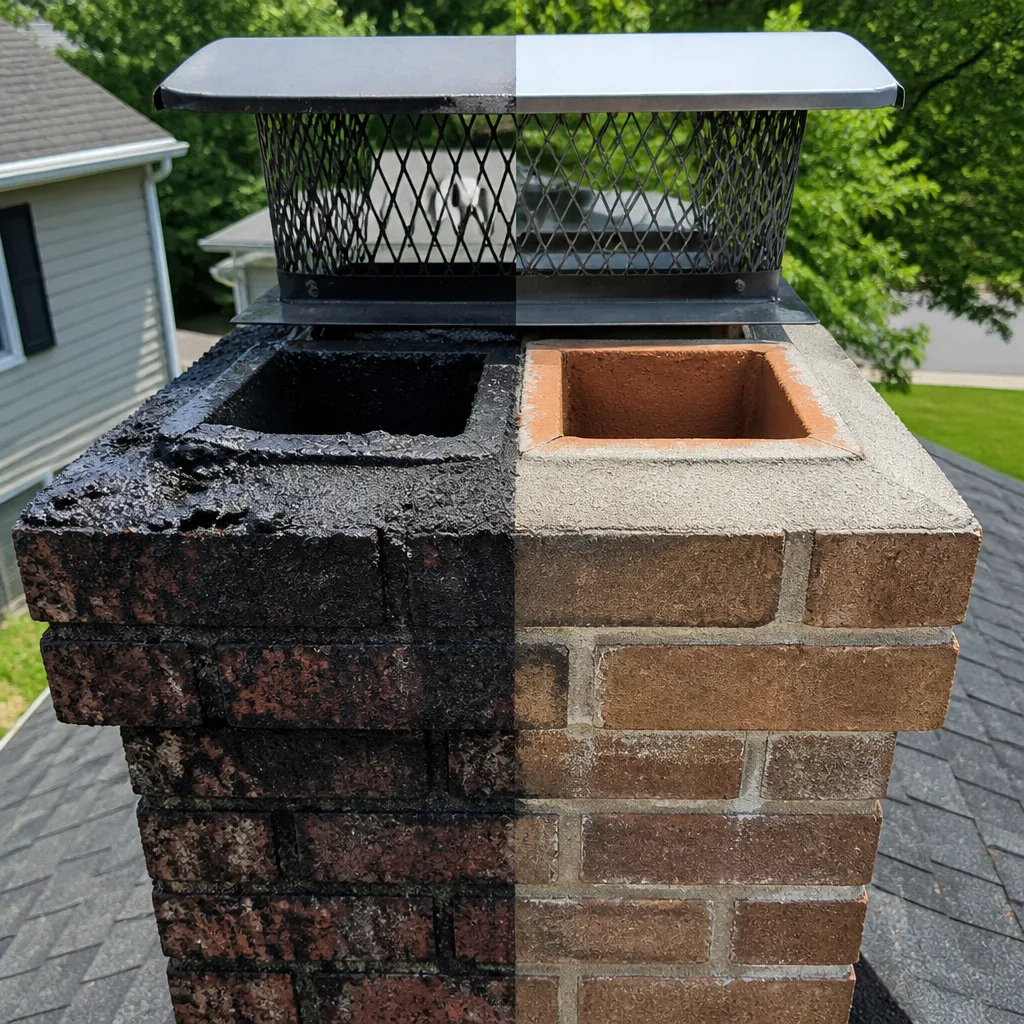 Sweep & inspection
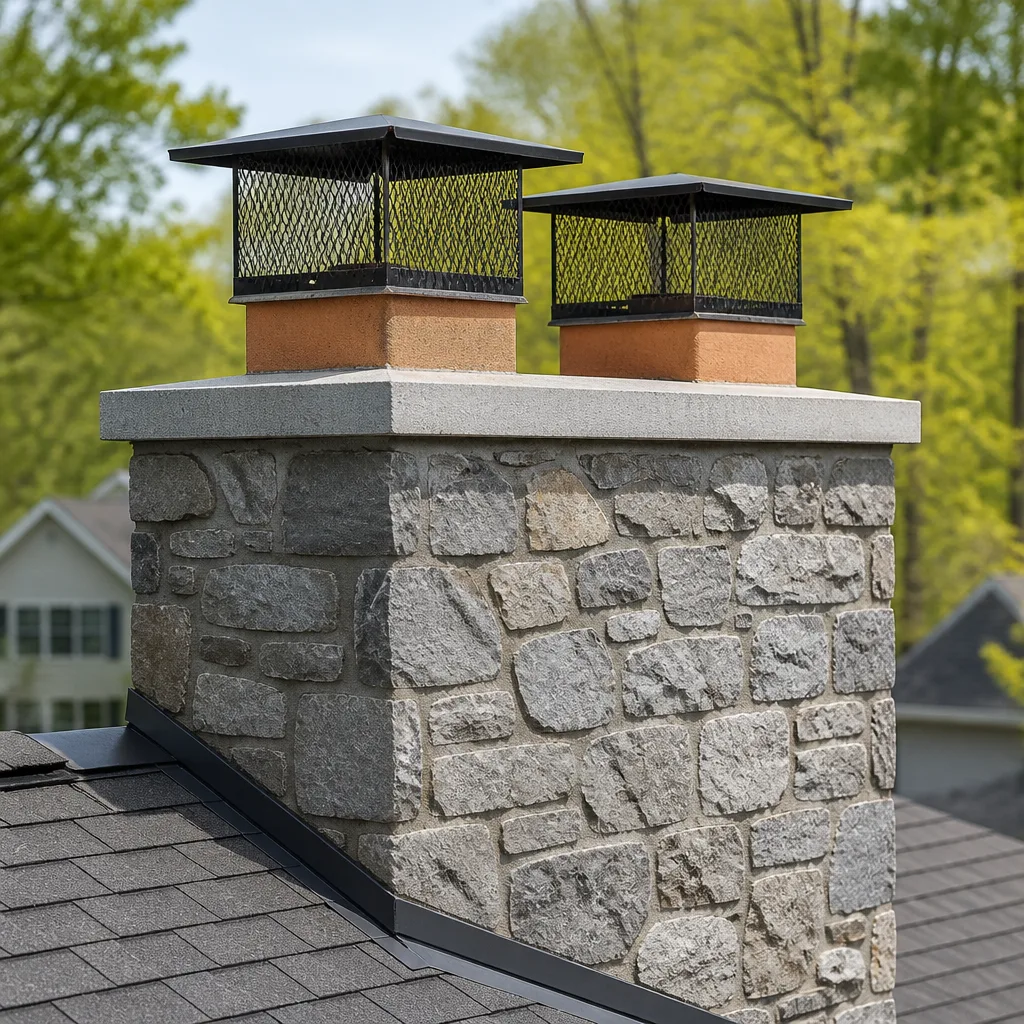 Caps & crowns
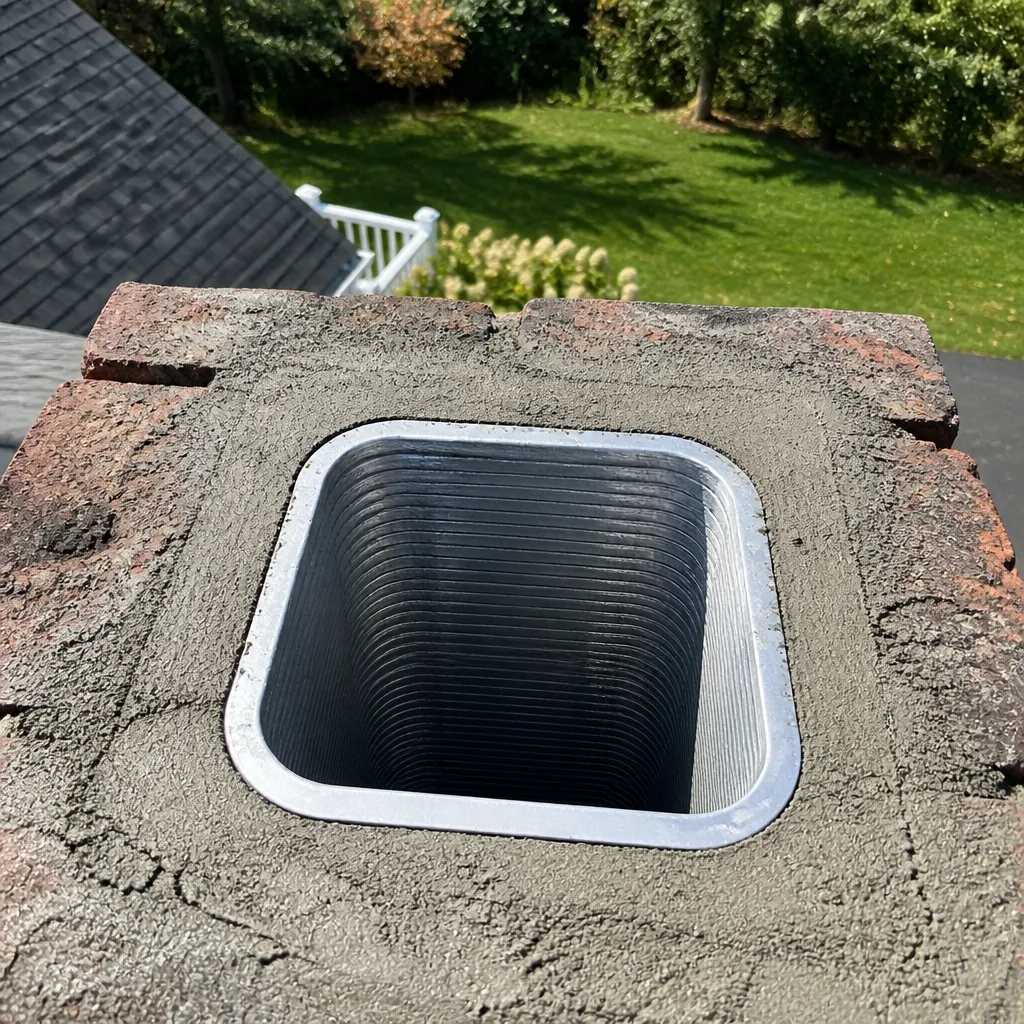 Flue relining
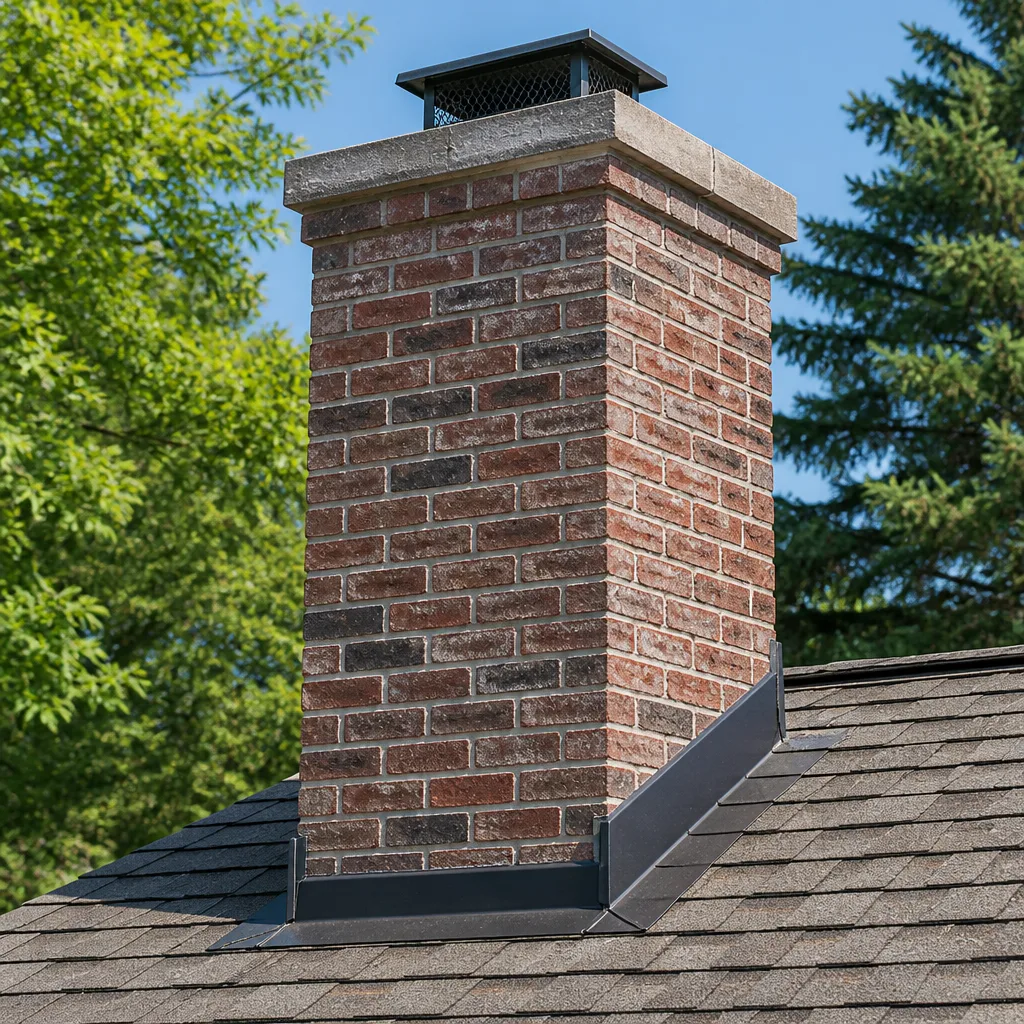 Masonry repair
 Gas fireplace service
Level 1 sweep and inspection to the NFPA 211 annual standard - flue, crown, cap, and flashing checked and photographed
Chimney sweep logs do not sweep chimneys. They loosen some creosote - which then falls where a brush and vacuum still have to collect it.
Chimney Sweep Maintenance Schedule: What to Do and When
Most homeowners assume a chimney gets swept once a year and that’s the end of it. That calendar habit gets people into trouble. A wood-burning fireplace used three times a week through a Colorado winter builds creosote fast enough that a hazardous layer can form in under four months, not twelve. The right schedule isn’t a fixed date on the wall. It’s a rhythm built around how much wood you burn, what you burn, and how Seven Hills weather works on the masonry between burns. This guide lays out that calendar in plain terms: how to calculate your real sweep interval, what to check before and after the season, which jobs you can handle yourself, and which ones need a trained sweep.
Quick Answer
Sweep your chimney based on how much wood you actually burn, not the calendar: roughly every cord of firewood, or whenever creosote reaches 1/8 inch on the flue walls. In Seven Hills, plan a fall pre-season inspection and a spring post-season moisture check as fixed points, and add a sweep mid-winter if you’re burning more than two or three fires a week. A trained sweep should handle the flue, damper and liner; you can handle visual cap checks and ash removal.
Styles & brands we work with
- Sweep & inspection
- Caps & crowns
- Flue relining
- Masonry repair
- Gas fireplace service
Table of Contents
- How to Calculate Your Real Sweep Frequency
- Fall Pre-Season Tasks: What to Do Before the First Fire
- Mid-Season Checks During Heating Months
- Spring Post-Season Tasks: Moisture and Masonry Assessment
- Why the Freeze-Thaw Cycle Makes Spring Inspection Non-Optional
- What You Can Do Yourself vs. What Needs a Certified Sweep
- How to Log Maintenance History for Insurance
- When to Stop Guessing and Call a Professional
How to Calculate Your Real Sweep Frequency
The single most useful number in chimney maintenance is how many cords of wood you burn in a season, not how many months have passed. Calendar-based sweeping was a rough rule for a rough era; a house that lights a fire twice a year and a house that runs one six nights a week are not on the same schedule. Here’s how we’d tell you to work it out.
One full cord is 128 cubic feet of stacked wood, roughly a 4-foot by 4-foot by 8-foot stack. A typical homeowner burning regularly through a Colorado winter uses somewhere between one and three cords, depending on house size, insulation, and how much the fireplace is a supplement versus a showpiece. The sweep interval tracks that number closely:
- Less than one cord per season: annual inspection is enough. Sweep if the inspection shows buildup.
- One to two cords: sweep once per season, ideally mid-winter or at season’s end.
- Two to three cords: sweep twice, once at the start and once around mid-season.
- More than three cords, or a fireplace used daily: expect three sweeps per season and don’t skip the mid-winter check.
Wood species matters too. Softwoods and unseasoned wood leave more creosote per cord than well-seasoned hardwood. If your woodpile is damp or you’re burning construction scraps, treat your effective cord count as higher than it looks. When in doubt, sweep. A sweep visit is cheap compared to a flue fire repair, and it’s the only way to actually see what’s built up on the flue walls. We’d rather look and find nothing than skip a visit and find out the hard way.
Fall Pre-Season Tasks: What to Do Before the First Fire
The fall checklist exists to catch problems while they’re still cheap to fix. Everything on this list is a visual or tactile check that takes under an hour when nothing’s wrong. When something is wrong – a cracked crown, a rusted damper, a cap that blew off in a spring windstorm – catching it in September means a scheduled repair instead of a canceled fire in December.
- Inspect the cap from the ground. Binoculars are fine. Look for missing or bent mesh, a cap that’s tilted or loose, or birds nesting inside. A missing cap is the most common way water enters the flue.
- Check the crown for cracks. From the ground with binoculars or from the roof edge by a trained sweep. A cracked crown lets water in every storm season and starts the masonry failure cycle.
- Test and lubricate the damper. It should open and close smoothly. A stiff damper is usually a dry hinge, but a rusted-out damper needs replacing.
- Look up the flue with a flashlight. Straight view, no bends. You’re looking for visible glaze, soot falling from the walls, or light coming through a crack in the liner.
- Confirm the liner though the firebox opening. If the liner is clay tile, look for cracked or missing tiles. If it’s stainless, look for corrosion or gaps at the joints. This check is not DIY-friendly past the first few feet – that’s a certified sweep call.
- Test smoke draw with a small kindling fire. If smoke rolls back into the room, the flue is blocked or the damper is stuck, and you need a professional visit before you go further.
In Seven Hills, fall also means checking the exterior for the year’s frost damage. Masonry that looked fine in March can show new hairline cracks by October. That’s the local pattern, and it’s the reason a fall inspection doubles as a structural survey, not just a cleaning appointment.
Mid-Season Checks During Heating Months
Most homeowners skip the mid-winter check entirely, which is exactly the point in the season when creosote loads matter most. After several weeks of regular fires, the flue walls carry the maximum buildup a system will see. If you’re burning three or more fires a week through January and February, a mid-season sweep call is worth scheduling rather than waiting for spring.
What a mid-winter check covers:
- A camera look at the flue walls, so you can see the actual buildup rather than guessing at it.
- A check on the damper mechanics, which tend to stiffen in cold, dry air.
- A visual check of the firebox for cracks that may have opened since fall.
- A check under the cap for ice dams or snowpack blocking the mesh.
Creosote builds in three stages: soot at the light end, then a crunchy flaky layer, then a hard glazed stage that’s significantly harder to remove and far more flammable. Once you’re into the glazed stage, the sweep becomes a longer visit and there’s a real fire risk between now and the cleaning. Getting ahead of it mid-season is usually a thirty-minute call – waiting until spring means dealing with the harder stage.
If you’re in Seven Hills and burning regularly, our guidance is straightforward: book a check once the season has passed the two-cord mark, don’t wait for a symptom. You can’t sweep what you haven’t seen, and a mid-winter camera inspection is the only way to know where your flue actually stands.
Spring Post-Season Tasks: Moisture and Masonry Assessment
Spring is the season most homeowners ignore, and it’s the one that determines whether your chimney survives the next decade. Winter puts water into the masonry through every small crack. Spring freeze-thaw cycles expand that water inside the brick, and by summer the spalling has started. Catching it in April is a repair. Catching it in September is a rebuild.
The spring post-season sweep and inspection covers a set of tasks that fall inspections don’t:
- Sweeping the off-season buildup. Creosote absorbs moisture from the air and turns corrosive when it sits all summer. Sweeping in spring protects the metal liner from this attack.
- Spalling check on the exterior masonry. Look for brick faces flaking off, mortar joints that look soft or crumbly, or white staining on the surface. All three point to water intrusion.
- Crown and cap integrity. A cap that shifted in the winter storms and a crown that opened a hairline crack are both common after a Seven Hills spring thaw. Our chimney cap & crown work is the exact repair this check prevents.
- Flue liner moisture check. A stainless liner that sat through a wet spring without a cap on top will show corrosion at the joints. That’s the moment to catch it, before the next fire season.
- Firebox and smoke chamber inspection. Winter use opens cracks in firebox mortar. If you’ve got a masonry fireplace and you see a crack, get it repaired with a proper refractory mortar before fall. This is fireplace repair territory, not a DIY patch.
Spring sweeping also clears the chimney so it can dry out over summer. A damp, blocked flue in a Colorado August is a slow degradation of the liner, and it’s the kind of damage that only shows up when you light the first fall fire and smell something odd. Spring is the season to get ahead of it.
Why the Freeze-Thaw Cycle Makes Spring Inspection Non-Optional
Seven Hills sits in a climate that cycles above and below freezing dozens of times between October and April. Every one of those cycles moves water in and out of the masonry. Water expands by roughly 9% when it freezes, and that expansion cracks brick from the inside. The brick exterior can look intact for years while the mortar behind it is quietly failing.
This is why spring inspection in Seven Hills isn’t optional maintenance on the same tier as a sweep. It’s the check that catches the failure mode specific to this climate. A chimney that’s built correctly and sealed will pass; a chimney with a cracked crown, a loose cap, or a compromised flashing will fail, and the failure will be invisible from the ground until a chunk of brick lands on the roof or a flue tile cracks and drops.
What the spring freeze-thaw inspection actually looks at:
- The crown, which is the concrete slab on top that sheds water away from the flue. Hairline cracks in the crown are the number one source of freeze-thaw damage on a masonry chimney.
- The flashing, where the chimney meets the roof. Lifted or missing flashing lets water run down the chimney chase and into the attic.
- Mortar joints, especially on the south and west faces where solar heat cycles hit hardest.
- Spalling brick faces, which indicate the brick is already absorbing water and starting to fail.
- The flue liner, whether clay tile or stainless, for cracks or joint separation.
We’ve seen how many Springs in Seven Hills come out of a wet winter with something to fix, and it’s not a sales line: the fix is nearly always smaller if it’s caught in April. A crown coat in spring is a fraction of the cost of rebuilding a chimney top in fall. The structural repair that comes out of a failed spring check is the most expensive line item on this whole maintenance schedule, and it’s the most preventable.
What You Can Do Yourself vs. What Needs a Certified Sweep
The safety line here is clear, and we’d rather draw it sharply than leave it blurry. Some maintenance is genuinely homeowner-friendly. Some of it involves heights, confined spaces, or moving parts that can kill you if you get them wrong. Here’s where the line falls.
Safe for a homeowner
- Visual inspection of the cap from the ground with binoculars.
- Removing cooled ash from the firebox with a metal scoop and covered bucket.
- Checking the damper opens and closes smoothly from inside the firebox.
- Looking up the flue with a flashlight for obvious blockages.
- Clearing combustibles away from the hearth and confirming the hearth extension is intact.
Needs a trained sweep
- Any access to the roof, cap, or crown. Steep roof work is the leading cause of chimney-related falls.
- Anything inside the flue past the first few feet of straight view, including liner checks and tile inspection.
- Sweeping itself. The brushes, rods, and dust control are not household equipment, and a wrong brush on a wrong liner can damage it.
- Creosote removal from the glazed stage, which can require chemical agents and careful containment.
- Any liner, damper, crown, or firebox work that touches the fire side of the system.
If you’re going to do the DIY checks, do them on a schedule and write them down. The value of the check is in the record, not just the observation. If a homeowner tells us they check their cap every October and there’s a reason to think the check has been consistent, that’s information a sweep can use.
How to Log Maintenance History for Insurance
Insurance companies care about two things in a chimney claim: whether the maintenance was being done, and whether there’s documentation of it. A homeowner who swept every year but has no records is in a weaker position than a homeowner who swept less often with a paper trail. The log is part of the maintenance schedule, not an afterthought.
What a useful chimney maintenance log captures:
- Date of every sweep and inspection, even the ones where nothing was found.
- The name of the professional or company who did the work, plus the tech’s name if they gave it.
- Findings: buildup level, condition of crown, cap, damper, liner, firebox.
- Work recommended but declined, and why. This matters if a future claim is contested.
- Work completed, with the material and brand used. If the liner was replaced, note whether it was a HeatShield restoration or a DuraFlex flexible liner install.
- Photographs of the cap, crown, and flue interior at each inspection.
A physical folder and a scanned copy in the cloud is the right combination – paper alone gets lost, digital alone gets questioned. If a sweep offers a camera photo report, keep it. The camera image is the single best piece of evidence a homeowner can hold onto when a claim is being assessed. Our inspection visits include camera imaging and a photo report specifically so the homeowner has this paper trail in their hands.
Common Mistakes to Avoid
- Treating annual sweeping as sufficient regardless of burn rate. If you’re burning three cords a year, once-a-year is not enough. The cord count drives the schedule, not the calendar.
- Skipping the spring inspection. In Seven Hills, spring is when freeze-thaw damage shows up. A fall inspection alone misses it entirely.
- Burning unseasoned wood to “get through” a season. Green wood creates more creosote per cord, which shortens your sweep interval and hardens the layer you’re trying to remove.
- Doing the flue check from inside without a camera. A flashlight view stops at the first bend. Camera inspection is the only way to see what’s really on the flue walls.
- Letting a cracked crown go through a winter. Water that enters a cracked crown freezes inside the masonry and starts the spalling cycle. A coat in October is a repair; a coat in April is damage control.
- Not keeping records. A maintenance log is what an insurer looks at when a claim is filed. Without one, the timeline is unverifiable.
- Burning with the damper partially closed. Restricted airflow slows the fire and builds creosote faster. Open it fully during the burn; close it only when the fire is down.
When to Stop Guessing and Call a Professional
Some situations aren’t DIY-inspectable. If you smell smoke in the room with the damper open, if the fire draws poorly and the room fills with smoke, or if you see visible creosote glaze on the flue walls through the firebox, you’re past the maintenance check and into a repair call. If a chunk of masonry has landed on the roof or in the yard, that’s not a small crack – that’s structural. If you’ve never had a camera inspection and you’ve been burning regularly for more than a season, book one before the next fire. And if your chimney has a cap that’s missing, tilted, or already fallen off, get it capped before the next rain – that’s a moisture control issue, not a cleaning one.
Chimney Sweep Seven Hills offers free estimates in Seven Hills – call (866) 937-8581. We answer 24/7. Fast dispatch from 7am to 7pm, Sunday through Friday.
See the difference
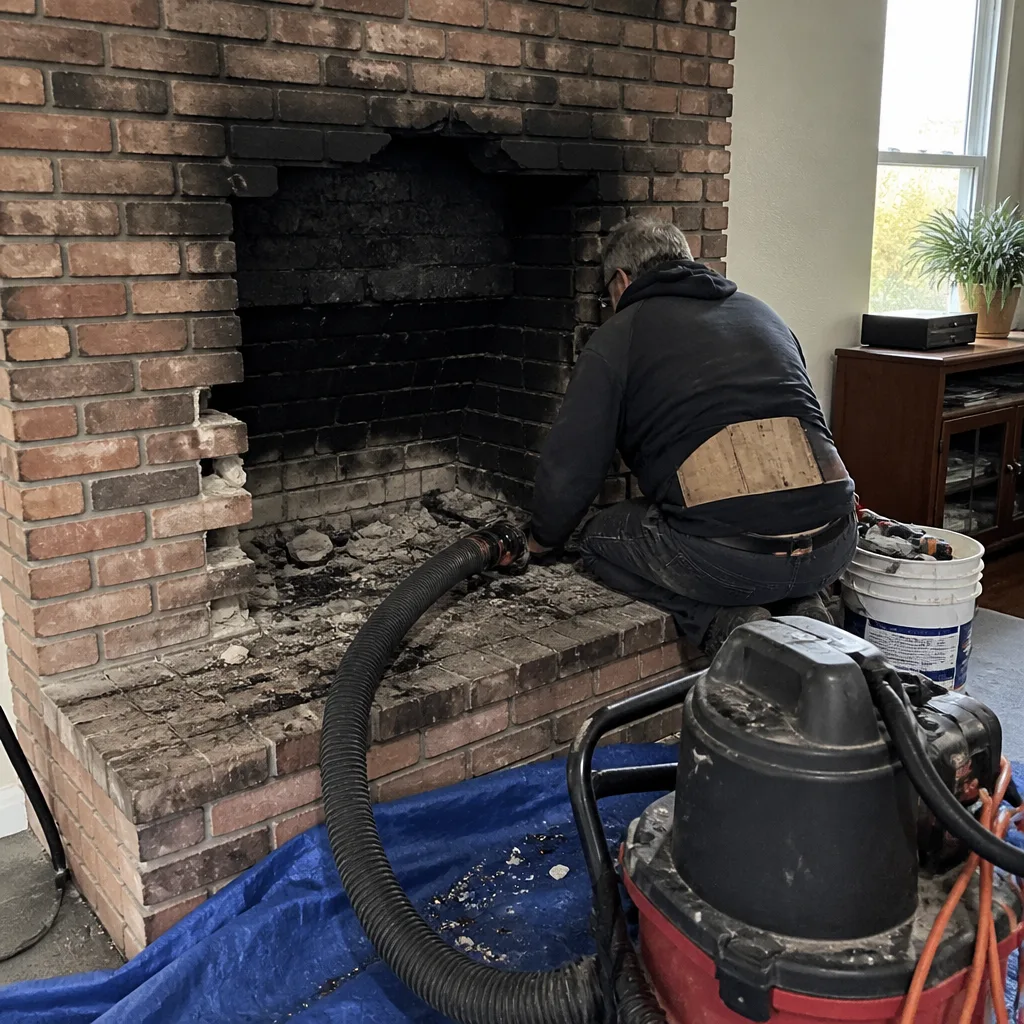 Before
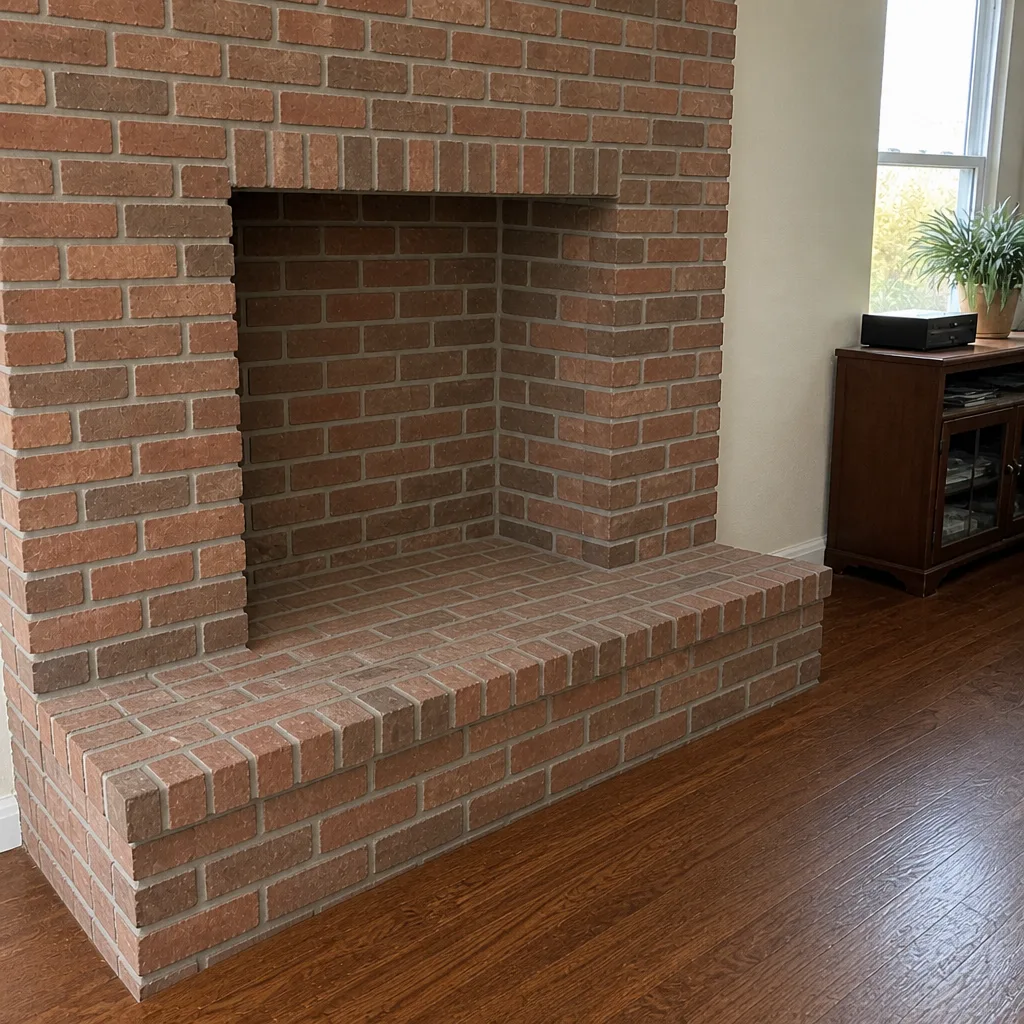 After
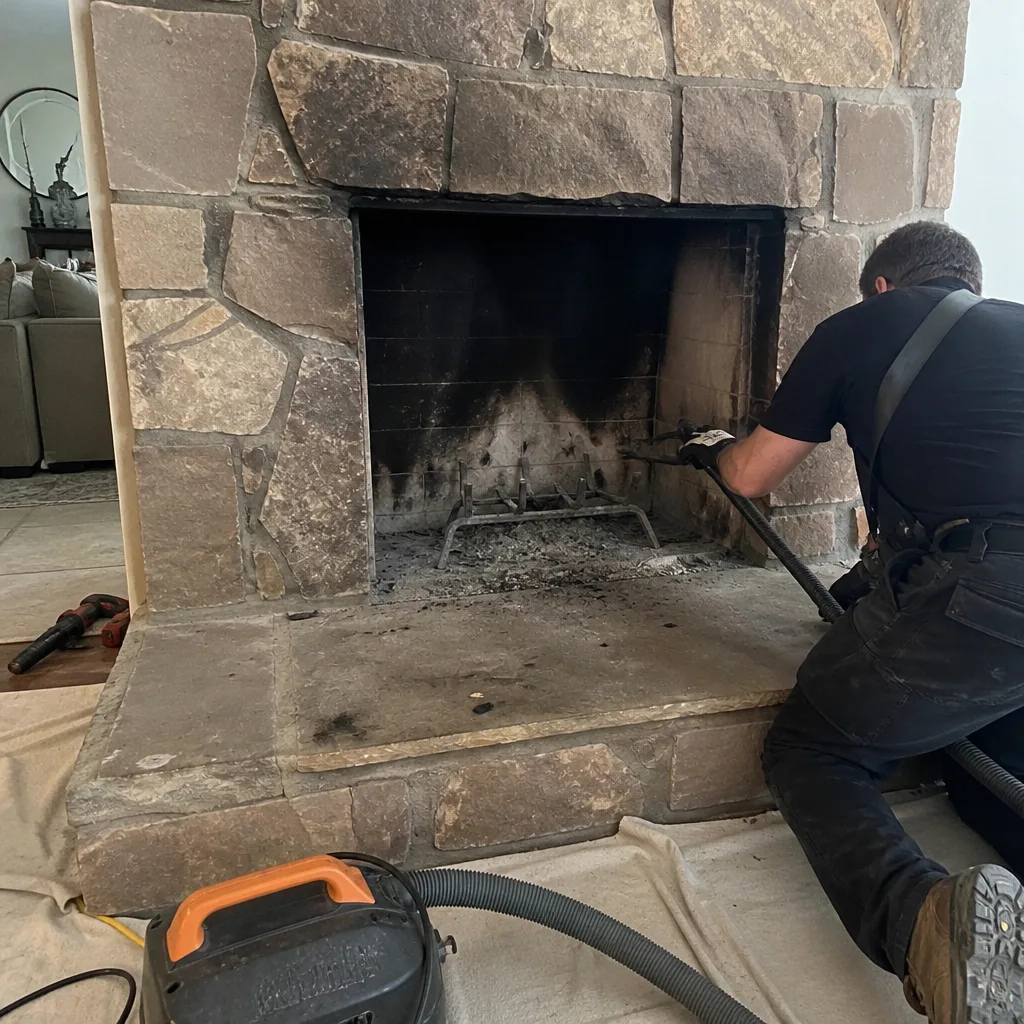 Before
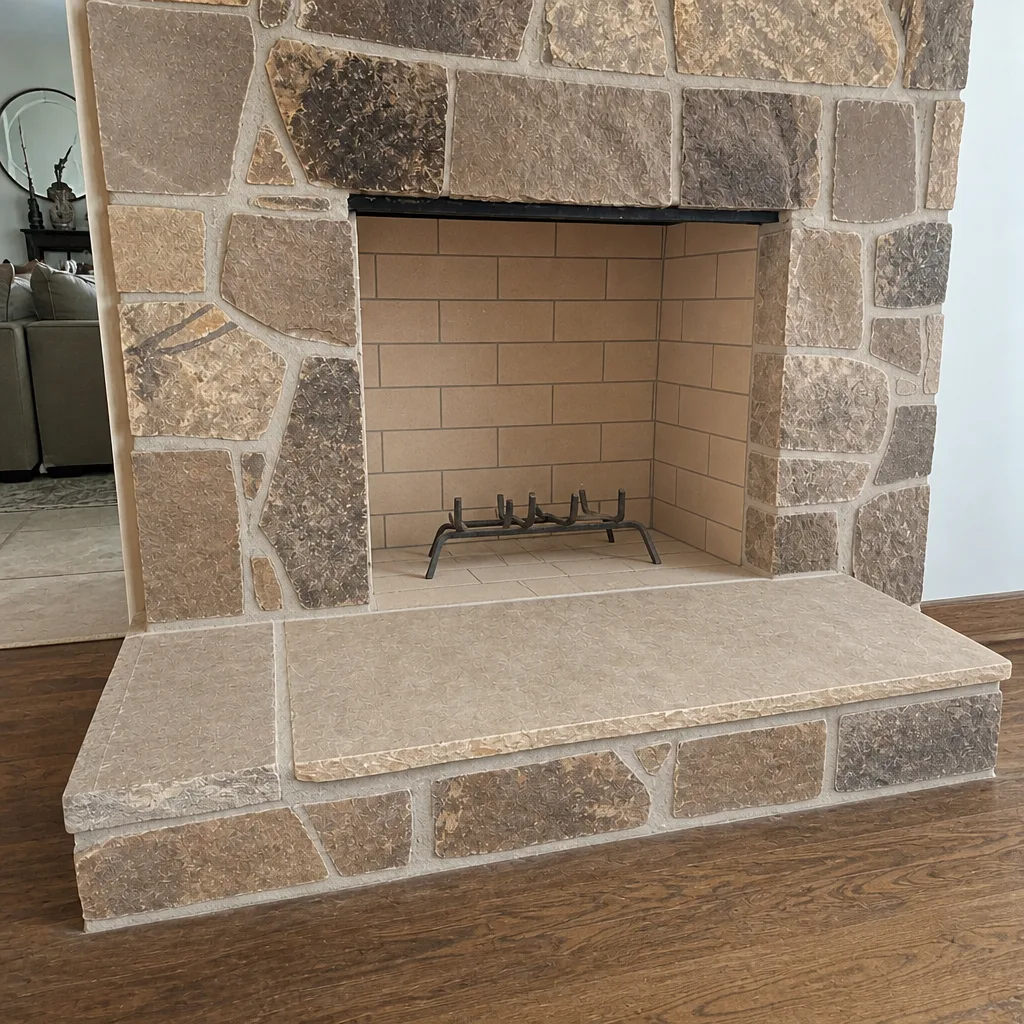 After
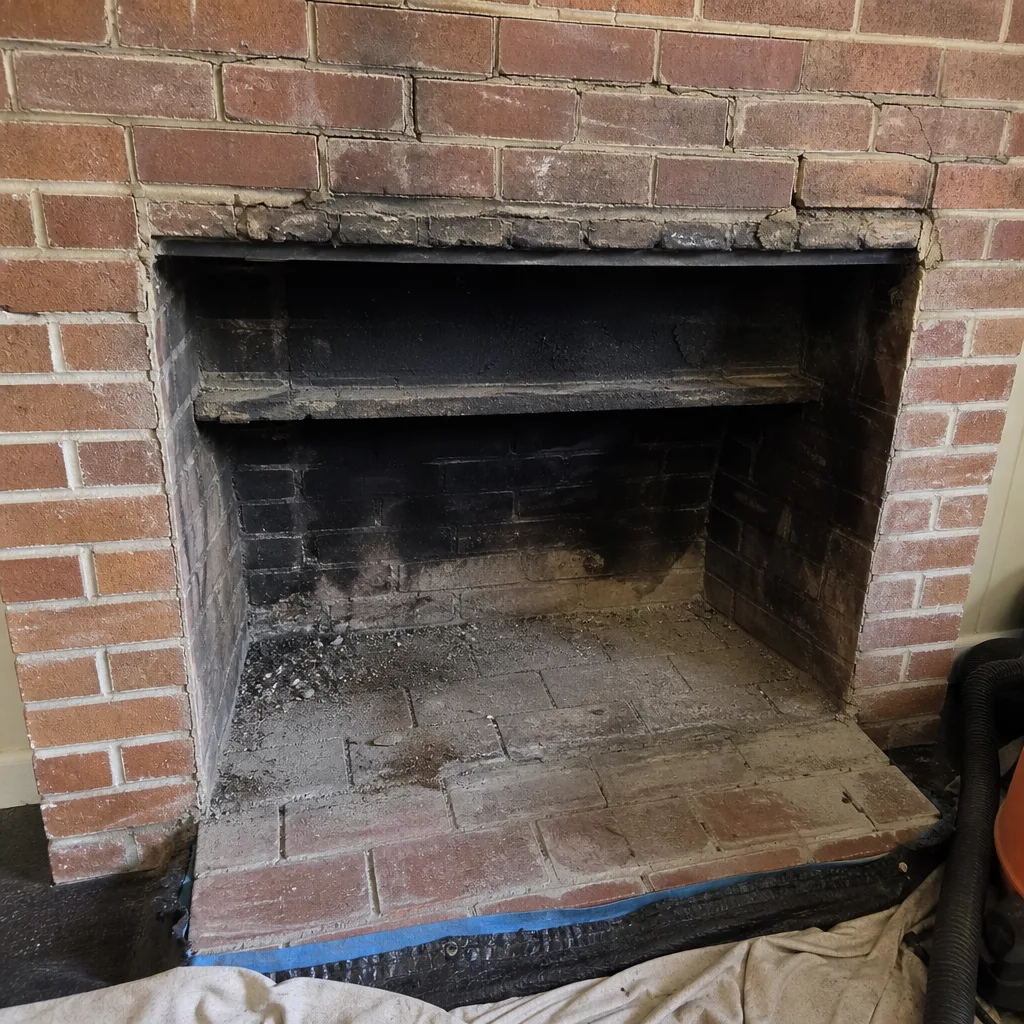 Before
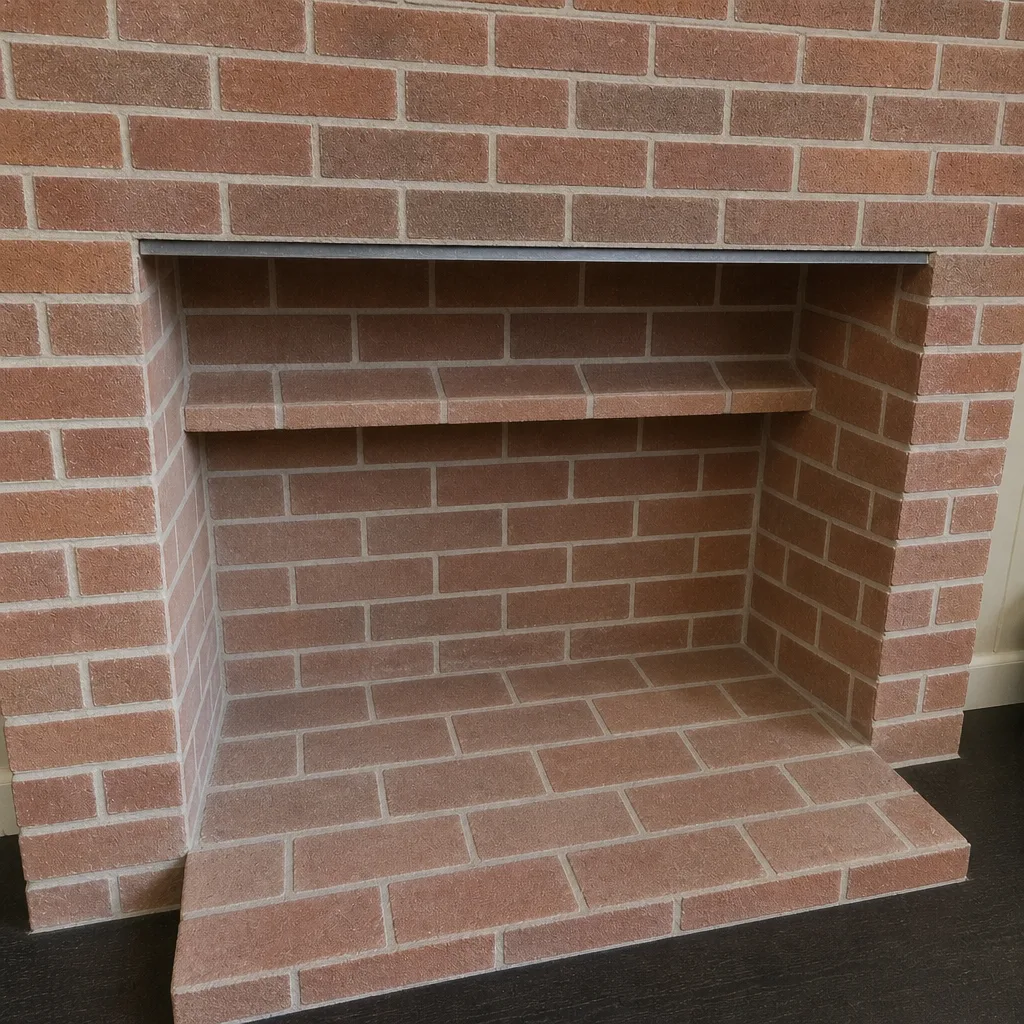 After
Frequently Asked Questions
Once per season is the baseline for most Seven Hills homes burning one to two cords of wood. If you burn more than two cords or light fires more than three times a week through winter, plan for two or three sweeps. The interval should be driven by cords burned and creosote thickness, not the calendar alone. Call (866) 937-8581 for an inspection and a specific recommendation for your system.
Freeze-thaw damage progresses unnoticed. Cracks that open in spring expand through the next winter, and spalling brick that starts in one corner can spread across the chimney face within a season. The eventual repair is significantly larger than the spring-time fix would have been. Call (866) 937-8581 to schedule a spring inspection before the damage window closes.
You can do the visual checks and ash removal safely. Actual sweeping needs the right brushes and rods, safe roof access, and dust containment – and any liner or firebox work past the first few feet of the firebox is not a DIY job. Get a trained sweep for the sweep. Call (866) 937-8581 for a booked visit.
Look for hairline cracks, a crown that slopes toward the flue instead of away from it, or a crown that’s pulled away from the flue at the joint. Any of those lets water in every storm season and needs a coat or a rebuild. A camera inspection from the top is the honest way to know. Call (866) 937-8581 for a free estimate on crown work.
Yes. Seasoned hardwood burns cleaner and leaves less creosote per cord than green softwood. If you’re burning unseasoned wood, treat your sweep interval as if you’re burning an extra cord – the buildup rate is higher for the same fuel volume. Call (866) 937-8581 and we’ll walk through your firewood situation during the inspection.
Yes, if it’s specific and consistent. A log with dates, tech names, findings, and photo evidence gives an insurer a clear maintenance history to work from. A log with gaps and vague entries doesn’t help much. Call (866) 937-8581 to book a visit that includes a camera report you can keep in your records.
The Bottom Line
The right chimney maintenance schedule in Seven Hills is built on three fixed points and one variable: the variable is your cord count, which sets the sweep interval; the fixed points are the fall pre-season check, the mid-winter look if you’re burning regularly, and the spring post-season inspection. A single annual sweep meets the floor but misses the freeze-thaw window that damages masonry in this climate. Those fixed points are non-negotiable. The rest of the schedule bends around how much you burn. If your system is overdue or you’re not sure where you stand, our team can look at it, show you what’s there on camera, and give you a written plan for the year. That’s the whole maintenance schedule in one page – the guesswork comes out and the calendar goes in.
Whether you burn a cord a year or three, the schedule above is the one that fits Seven Hills weather and the way chimneys actually fail here. Call (866) 937-8581 for a free estimate. We answer 24/7. Fast dispatch from 7am to 7pm, Sunday through Friday. For scheduled sweeping visits, chimney sweep booking through our team gets you the full-service version: inspection, sweep, and a photo report in one visit, so the maintenance log stays complete without a second appointment.
Related Reading
For homeowners who want to go deeper, our parent guide to Chimney Sweep Seven Hills covers the full scope of services and what to expect on a service call. If your spring inspection turns up a cracked crown or a missing cap, we handle that under the same roof as the sweep – one call, one crew, one warranty conversation – rather than handing you off to a general contractor.
Written by the team at Chimney Sweep Seven Hills.