
Last updated November 23, 2026
 Sweep & inspection
 Caps & crowns
 Flue relining
 Masonry repair
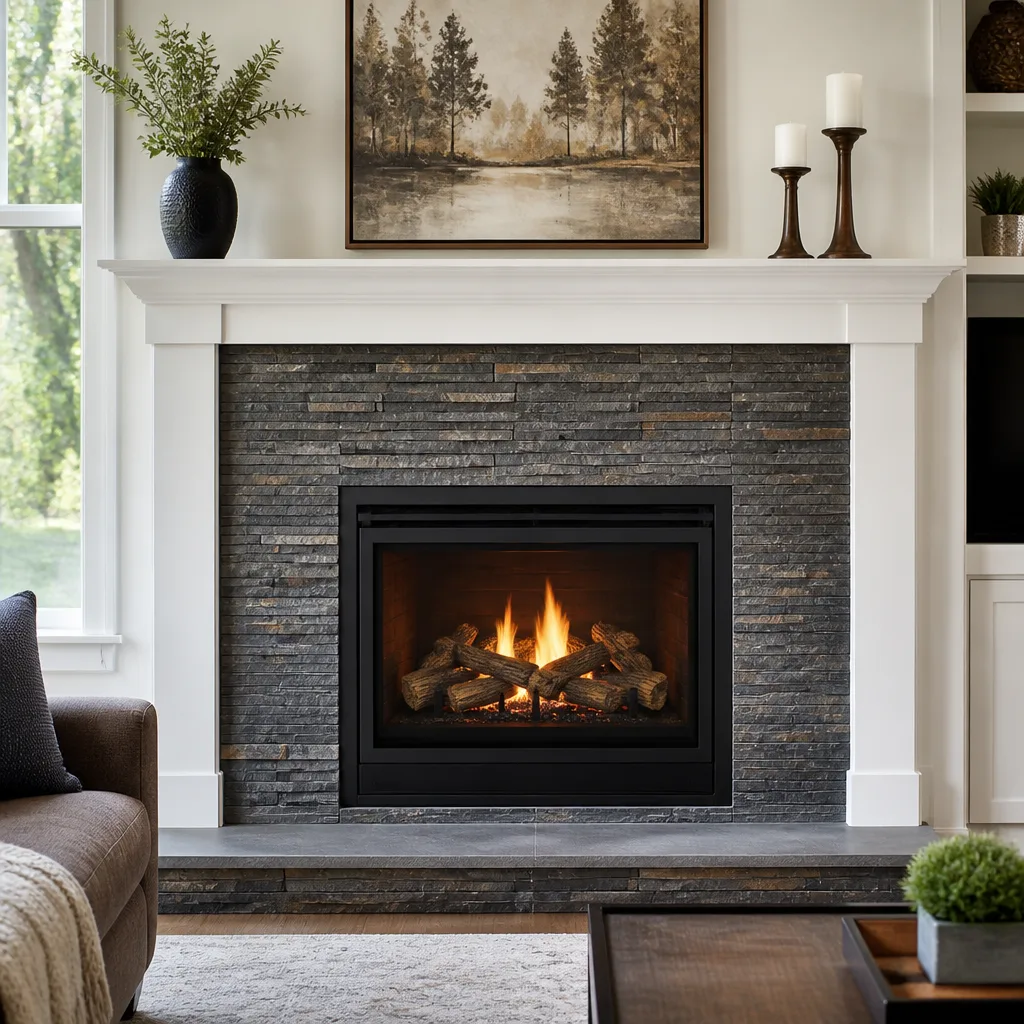 Gas fireplace service
Level 1 sweep and inspection to the NFPA 211 annual standard - flue, crown, cap, and flashing checked and photographed
Chimney sweep logs do not sweep chimneys. They loosen some creosote - which then falls where a brush and vacuum still have to collect it.
Chimney Cleaning Permits, Codes & Inspections in Seven Hills, CO: What You Need to Know
A lot of homeowners assume that any work inside a chimney needs a permit, and a surprising number of contractors let them keep believing it. The truth runs the other way: routine cleaning in Seven Hills sits outside the permit system entirely, while the structural work that often follows it does not. The line between those two categories is where liability gets made, and it’s rarely explained before a job starts. In this guide, we’ll walk through which tasks trigger permits in Jefferson County, how NFPA 211 underpins Colorado’s chimney rules, the difference between inspection levels, and what paperwork to keep. You’ll finish knowing exactly where the threshold sits.
Quick Answer
Sweeping a chimney in Seven Hills, CO does not require a permit. Repair and alteration work – relining, crown replacement, firebox rebuilding, and changes to a prefab system – can trigger permit requirements under Jefferson County and Colorado rules, and it must meet NFPA 211. An inspection documents the condition of the system before and after work, and the report is the record you keep for future buyers, insurers, and inspectors.
Styles & brands we work with
- Sweep & inspection
- Caps & crowns
- Flue relining
- Masonry repair
- Gas fireplace service
Table of Contents
- Where the Permit Threshold Actually Sits in Jefferson County
- How NFPA 211 Underlies Colorado Chimney Codes
- CSIA Level I, II, and III: When Each One Applies
- Prefab Fireplaces and Manufacturer Clearances: The Gap That Creates Liability
- What Documentation to Keep After Any Chimney Job
- Why Seven Hills Conditions Make Compliance Matter
- Chimney Records and a Future Home Sale
- Common Mistakes to Avoid
Where the Permit Threshold Actually Sits in Jefferson County
The simplest way to think about it: cleaning is maintenance, and maintenance is exempt. Anything that changes the structure, the material, or the way the system vents is a different category. In our experience, the confusion shows up when a homeowner hires a general handyman who frames a relining job as “just a repair” and never mentions the permit step. That framing is where trouble starts.
Work that typically falls under routine maintenance in Seven Hills and does not require a permit:
- Standard sweeping and creosote removal
- Visual inspection of the firebox, damper, and flue
- Removal of debris, nests, and blockages
- Routine cap checks and minor cap reseating
Work that can require a permit, or at least a call to the county building department before starting:
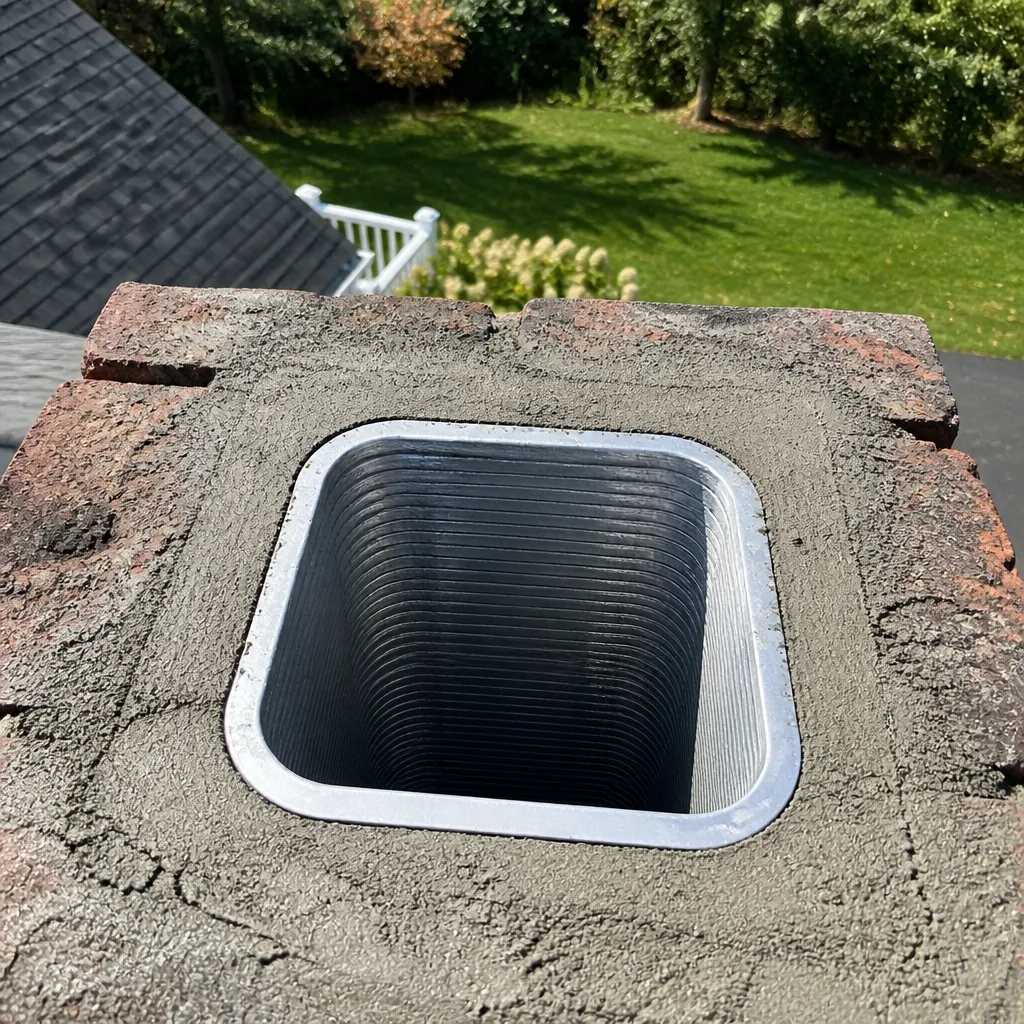
- Relining a flue with a new liner system
- Rebuilding or replacing a chimney crown
- Firebox or smoke chamber repair that alters dimensions
- Any change to a factory-built fireplace’s venting or clearances
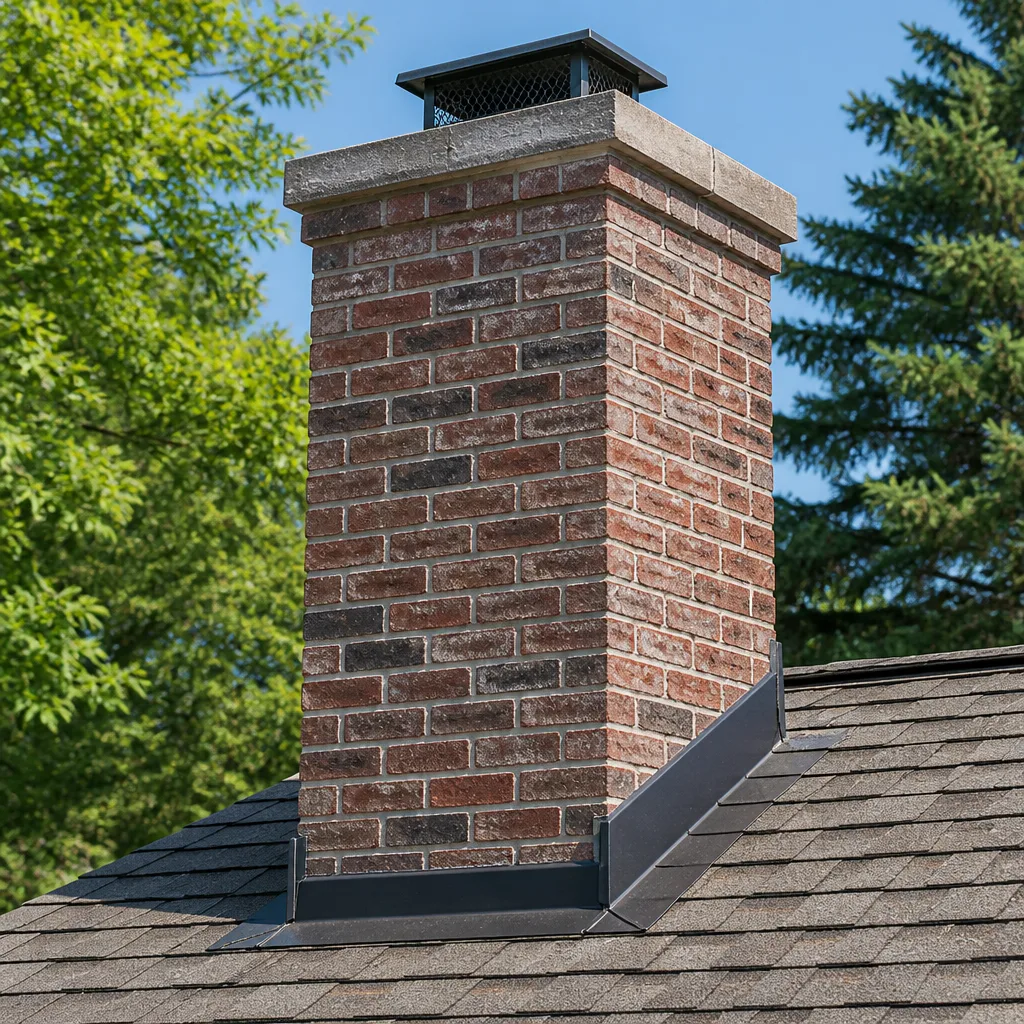
- Structural masonry repair that affects load-bearing sections
Jefferson County’s building department is the authority on the specific permit threshold, and the rules are worth confirming in a phone call rather than guessing. If you’re not sure whether your job crosses the line, ask before work starts. A professional chimney sweep and full-service provider can tell you which side of the line your project sits on. That conversation costs nothing. Skipping it can cost a great deal later.
How NFPA 211 Underlies Colorado Chimney Codes
Colorado doesn’t write its chimney rules from scratch. The state and county codes lean on NFPA 211, the Standard for Chimneys, Fireplaces, Vents, and Solid Fuel-Burning Appliances, as the technical backbone. NFPA 211 is the document that defines what a properly constructed and maintained chimney looks like, and inspectors use it as the reference when they review a system.
What NFPA 211 actually requires, in practical terms:
- A flue sized and lined for the appliance it serves
- Clearances from combustible materials maintained as specified for the vent type
- A chimney in sound condition, with no cracks, gaps, or deteriorated lining
- A spark-arresting cap where required
- An accessible cleanout or draft path that allows inspection and sweeping
NFPA 211 also informs the inspection standard. When a technician opens a flue and finds a cracked tile or a gap in the liner, that finding is measured against what the standard says is acceptable, not against a technician’s opinion. That’s why the inspection report matters so much. It translates what we see into the language of the code and the standard, which is what a future inspector, buyer’s agent, or insurer will want to reference.
Seven Hills homes sit in a foothills environment where freeze-thaw cycles work on masonry season after season. That physical reality makes the NFPA 211 clearances and condition requirements more than academic. A crown that cracks from a cold snap lets water in, and the water finds the weakest part of the system. The standard exists because those failures repeat.
CSIA Level I, II, and III: When Each One Applies
The Chimney Safety Institute of America defines three inspection levels, and the level appropriate to a given situation is not a matter of preference – it follows from what’s being asked of the system. Choosing the wrong level leaves gaps in the record.
Level I Inspection. A visual check of the readily accessible portions of the chimney and venting system, plus the appliance connections. This is the routine inspection performed with an annual sweep, and it’s appropriate when the system is unchanged and there’s no indication of a problem. Level I is the starting point, and often the whole job.
Level II Inspection. A more detailed examination that includes accessible areas of the attic, crawlspace, and other concealed spaces, and typically involves a camera scan of the flue interior. Level II is appropriate when the system has changed – a new appliance, a relining job, a change in fuel type – or when a property is being sold or transferred. It’s also the appropriate level after a chimney fire or a seismic event, and when a Level I inspection turns up something that needs a closer look.
Level III Inspection. The most involved level, used when a hazard is suspected in an area that can’t be reached without removing part of the building – a wall, a ceiling, or a chimney chase component. Level III is not routine. It’s reserved for situations where the only way to see the problem is to open the structure.
Understanding which level is legally appropriate matters because the inspection report is a document. A Level I inspection doesn’t establish the condition of a flue that requires a camera scan, and a real estate transaction that relies on a Level I when a Level II is called for can leave the buyer with an incomplete record. Our technicians have up to 10 years of experience, and the level we recommend follows from what the system needs, not from what’s on the schedule.
Prefab Fireplaces and Manufacturer Clearances: The Gap That Creates Liability
Factory-built fireplaces come with an installation manual and a listing that specifies exact clearances to combustibles, venting configuration, and approved components. Those instructions are part of the product’s certification. When a prefab unit is modified, repaired, or relined in a way that departs from them, the listing is void – and the homeowner may be left with a system that no longer meets its certification.
This is the gap that trips people up. Local codes often reference the manufacturer’s instructions, but a general repair crew without chimney-specific training may not know the manual exists, let alone that it governs the work. A few examples of what goes wrong:
- A liner sized for the flue rather than for the appliance, changing the draft and the venting performance
- Clearances to framed walls or insulation altered during repair without checking the listing
- Components from a different manufacturer installed in a listed system, voiding the certification
- Cap or crown work that changes the vent termination configuration
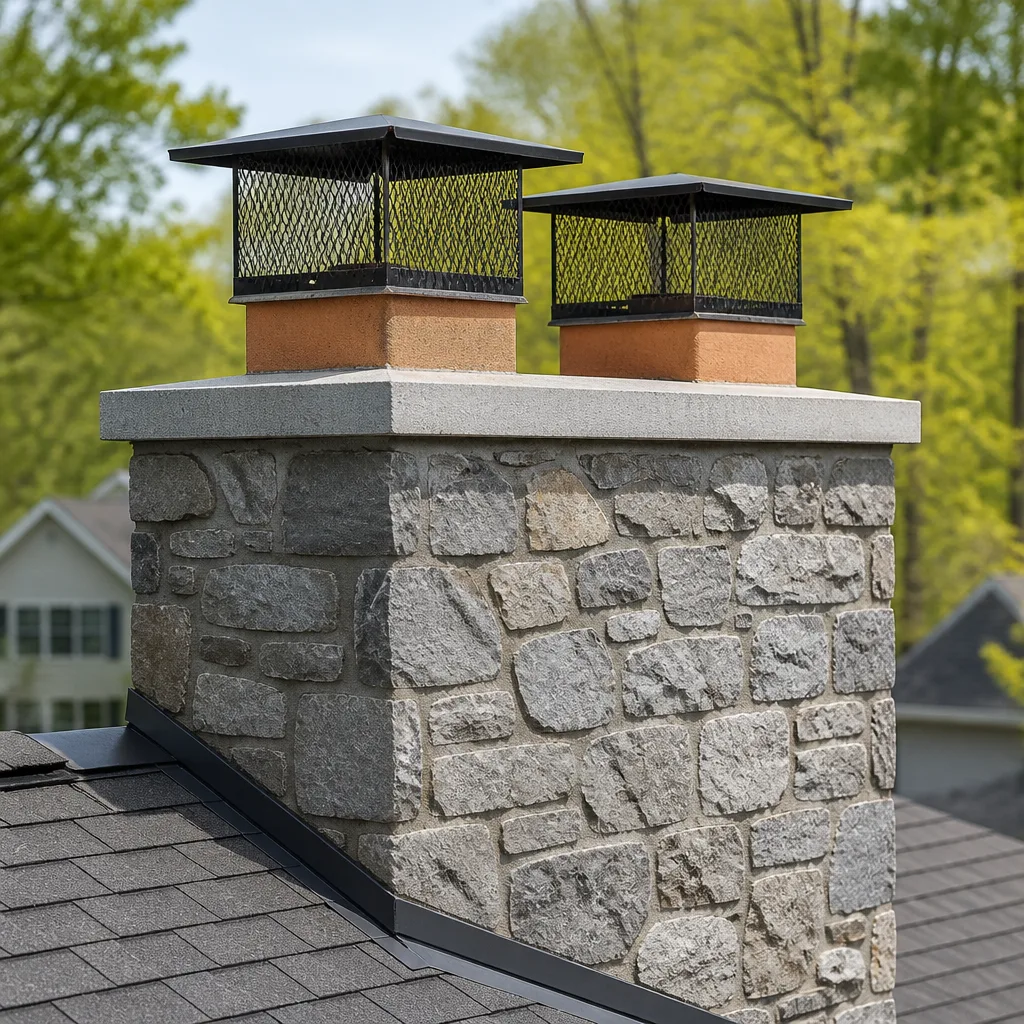
At Chimney Sweep Seven Hills, we work with professional-grade brands – Gelco, Olympia Chimney, Famco, and Copperfield among them – because the components need to be compatible with the system as listed. A cap and crown replacement for a prefab system isn’t a generic hardware swap. On masonry chimneys, the chimney cap & crown work follows the same principle: the crown has to shed water properly, and the cap has to allow the vent to function.
When a prefab system has been modified, the inspection report needs to document it. That’s a conversation worth having before a home sale, an insurance renewal, or a repair loan application brings it up.
What Documentation to Keep After Any Chimney Job
After any chimney work in Seven Hills, the paperwork is the record. Keep more than the invoice. A homeowner who can produce an inspection report, a scope of work, and material documentation years after the fact has an answer for every question that comes up at a home sale, an insurance claim, or a title review.
The documents we recommend keeping together:
- The inspection report, including the inspection level performed and the findings, with photographs if the technician took them.
- The proposal or written estimate, showing the scope of work and the materials specified.
- The permit documentation, if a permit was required, and the final inspection record from the county.
- Material specifications for any liner, cap, or crown installed, so a future inspector can confirm compatibility.
- The invoice, for the completion date and the work performed.
- Any manufacturer documentation for components installed in a prefab system.
The best time to organize this is the day the job is done. Put a folder together, scan the documents if you like, and store them where you’ll find them. A future buyer’s inspector is going to look for exactly these records. Having them turns a tense discovery into a simple handoff.
Why Seven Hills Conditions Make Compliance Matter
Seven Hills sits in the foothills west of Denver, where the seasons work on masonry in a specific way. Freeze-thaw cycling is the main force. Water gets into a crack in the crown or mortar joint, freezes overnight, expands, and opens the crack a little wider. Repeat that over a few winters and a hairline becomes a gap. Wood-burning fireplaces get used through the cold months, and creosote accumulates in the flue between sweeps. That combination – water damage on the outside, creosote build-up on the inside – is what makes the annual inspection and sweep worth doing on a schedule.
Seven Hills also has a mix of older masonry chimneys and factory-built fireplaces installed in later construction. The two need different documentation and different inspection approaches. Older masonry chimneys often have clay tile flues that have shifted or cracked, and a camera scan tells you whether the flue is intact or needs relining. Factory-built systems need the listing consulted before any repair. Neither question can be answered from the fireplace opening alone.
If a system has been through a chimney fire, the inspection level shifts to a Level II or III depending on what’s suspected. A chimney fire doesn’t always announce itself. Sometimes a homeowner hears a roar, sometimes only a cracking sound, and sometimes nothing at all – and the damage shows up later in a cracked tile or a warped component. When the possibility exists, document the inspection and don’t sweep past it.
Chimney Records and a Future Home Sale
When a Seven Hills home goes on the market, the buyer’s inspector will look at the chimney. In an older home, the inspector will note its condition and recommend a specialist. That recommendation is routine – but what happens next depends entirely on the records. If the seller can produce an inspection report from the previous year showing a swept and sound chimney, the conversation is short. If the seller has no records, the buyer’s agent requests a Level II inspection, and the timeline extends while the work is scheduled and completed.
A relining job performed without a permit compounds the problem. The work exists, but there’s no record of it that a title company, an insurer, or a buyer’s inspector can verify. The homeowner ends up in a position of having to prove that work was done properly when they never had the documentation to begin with. That’s not a chimney problem at that point – it’s a paperwork problem, and it started with a conversation nobody had.
The fix is simple: before any structural chimney work, ask whether a permit is required, and get the answer in writing. Then keep the record. A local Chimney Sweep Seven Hills specialist can walk you through what your system needs and what documentation to keep. If a repair is needed, the scope will be spelled out and nothing gets done without a written estimate first.
Common Mistakes to Avoid
- Assuming all chimney work is permit-free. Cleaning doesn’t need a permit, but relining and crown replacement can – and the homeowner ends up liable when the work shows up unverified later.
- Skipping the inspection before the repair. You can’t sweep what you haven’t seen, and you can’t scope a repair from a look up the flue. A camera scan is the starting point, not the upsell.
- Using a general handyman for chimney work. Prefab systems have manufacturer listings, and masonry systems have NFPA 211 requirements. A generalist may not know to check either one, and the gap becomes the liability.
- Ignoring the manufacturer manual on a prefab system. Clearances and components are part of the certification. Changing them without consulting the listing can void the system and complicate a future sale.
- Not keeping the inspection report. The report is the record, and a home sale, an insurance claim, or a title review may all want to see it. Keep the report, the estimate, and the material specs together.
- Treating a sweep as a substitute for inspection. The sweep removes creosote. The inspection establishes condition. They’re different tasks, and both belong on the same visit.
- Waiting for a problem to show up. A cracked crown lets water in every storm season, and by the time water shows up inside, the damage has been working for a while. An annual check catches it early.
See the difference
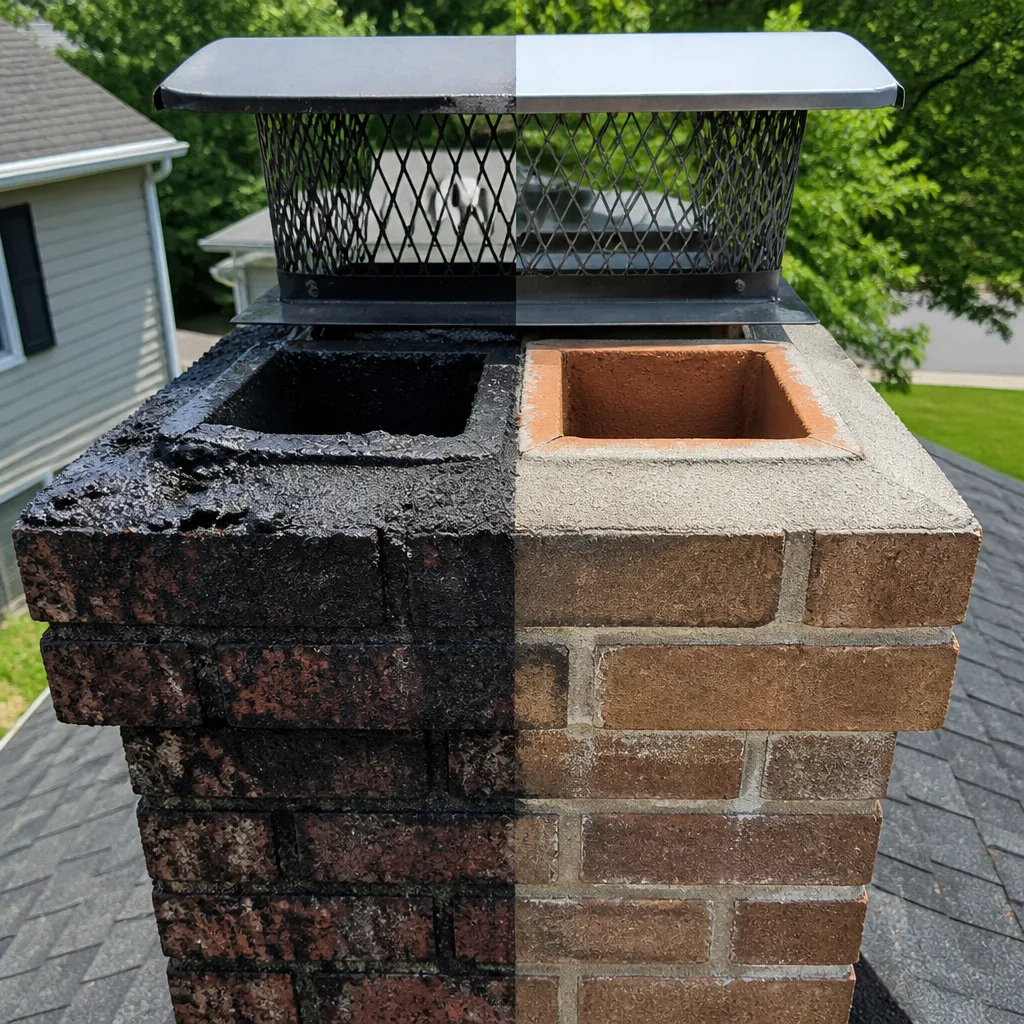
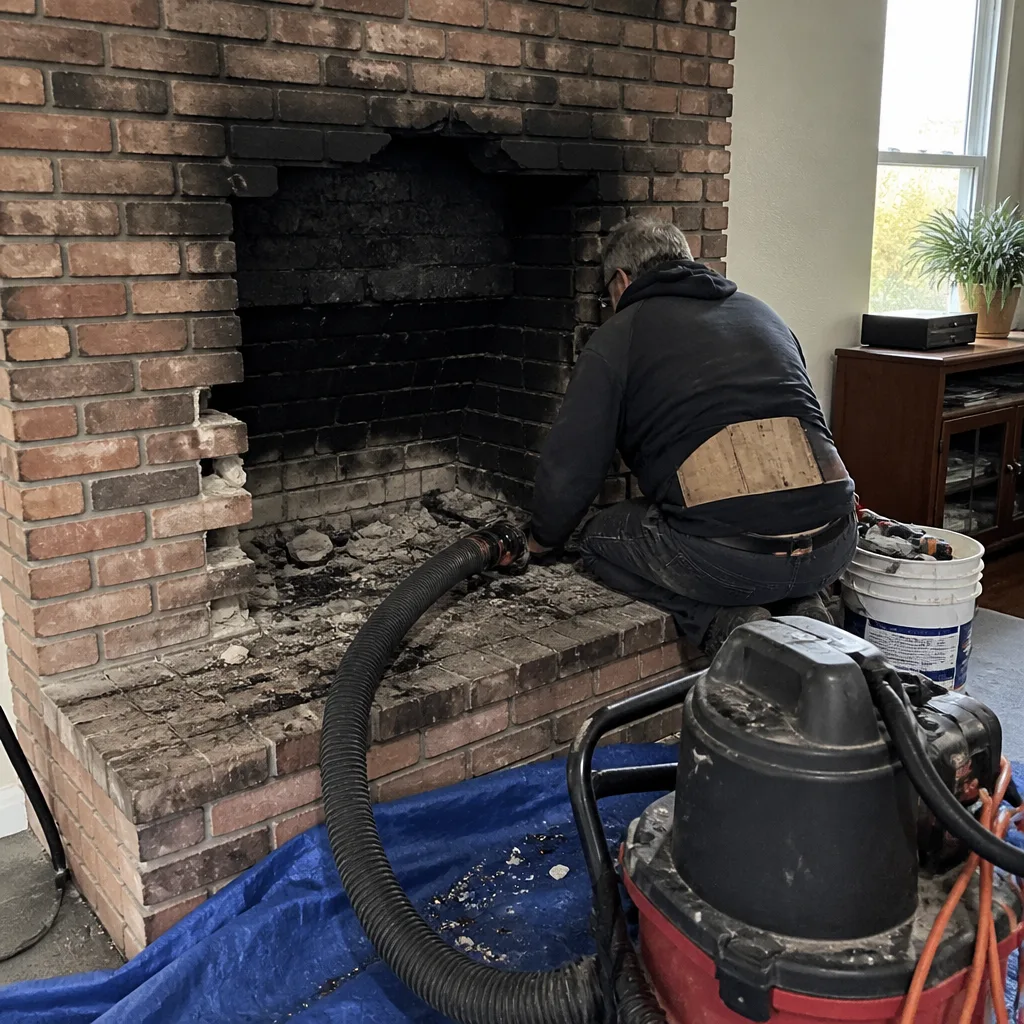 Before
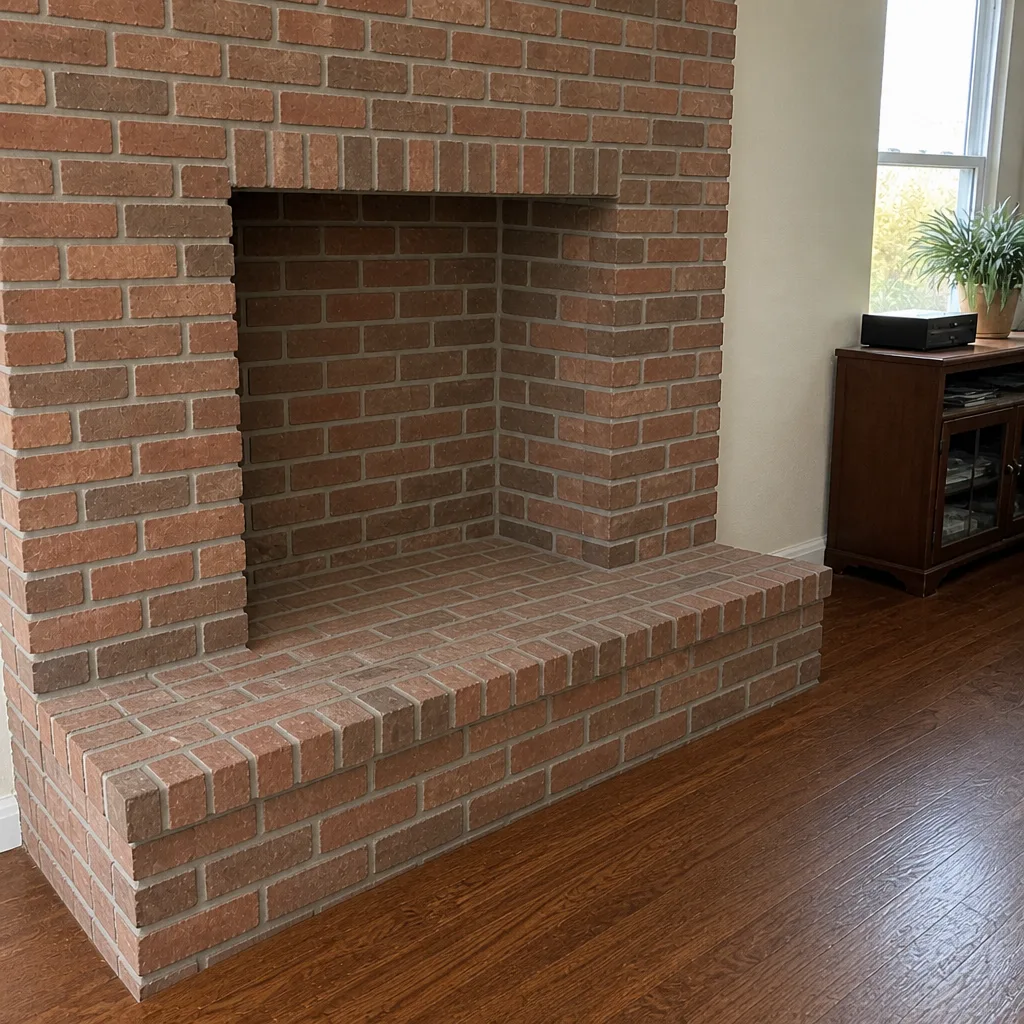 After
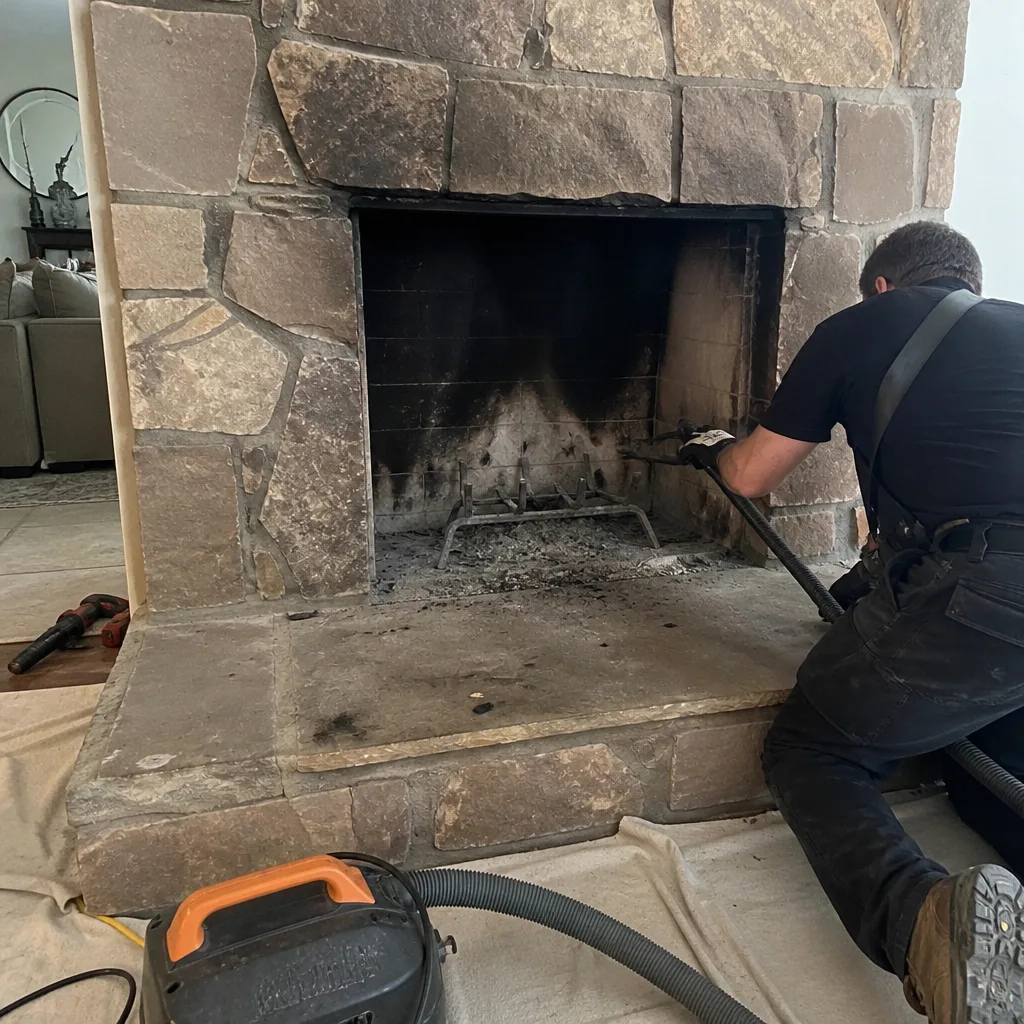 Before
 After
 Before
 After
When to Call a Professional
Call a professional fireplace repair specialist when you smell smoke inside the house on a cold evening, when the draft reverses, when you see cracked tile in the firebox, or when water stains appear on the ceiling near the chimney. Call before a home inspection, not after. Call before relining or rebuilding, so the permit question gets answered in the right order. And call for an annual sweep if you burn wood, because creosote accumulates whether or not the fireplace is used often. If your fireplace is gas, an annual inspection still makes sense – the venting and the appliance connections matter just as much. Chimney Sweep Seven Hills offers free estimates in Seven Hills – call (866) 937-8581.
Frequently Asked Questions
No. Routine cleaning and sweeping do not require a permit in Seven Hills or under Colorado rules. Permits come into play with structural work – relining, crown replacement, and any change to a prefab system’s venting or clearances. Call (866) 937-8581 for an exact quote – estimates are free.
A Level I inspection is a visual check of the readily accessible portions of the system. A Level II inspection adds concealed spaces and a camera scan of the flue interior. Level II is appropriate after a change to the system, after a chimney fire, or in a home sale. Call (866) 937-8581 to schedule the right inspection for your situation.
NFPA 211 is the technical standard that Colorado and county codes reference for chimney construction and maintenance. It defines proper flue sizing, clearances, and condition requirements. It’s the standard inspectors use when reviewing a system. Call (866) 937-8581 for an inspection that documents against that standard.
Relining is structural work and often falls under permit requirements in Jefferson County. Confirm the threshold with the county building department before work starts, and keep the permit record with your other chimney documents. A chimney sweep and full-service crew can tell you whether your project crosses the line. Call (866) 937-8581 for an estimate.
Keep the inspection report, the written estimate, the permit documentation if one was required, the material specifications for any components installed, and the invoice. Together, those documents establish the condition of the system and answer a future buyer’s or insurer’s questions. Call (866) 937-8581 to talk through what your system needs.
Altering the clearances or components of a factory-built fireplace can void its listing, which means the system no longer meets its certification. That gap can surface at a home sale or an insurance review. A specialist checks the manufacturer’s instructions before any repair. Call (866) 937-8581 for an assessment.
The Bottom Line
Cleaning a chimney in Seven Hills doesn’t need a permit. Repairing one can. That distinction sits at the center of every conversation about compliance, and it’s the one most homeowners never have before work starts. NFPA 211 sets the technical standard that Colorado and county codes build on. The CSIA inspection levels each serve a specific situation, and choosing the right one is a matter of what’s being asked of the system. Manufacturer clearances on prefab systems create a liability gap when ignored. And the documentation from any job is the record that answers future questions at a home sale, an insurance review, or a title check. Keep the report. Ask about the permit. Call a chimney specialist when the system needs one.
To schedule an inspection, a sweep, or a repair estimate, call Chimney Sweep Seven Hills at (866) 937-8581. We answer 24/7. Fast dispatch from 7am to 7pm, Sunday through Friday. Estimates are free, and the written estimate sets the final price.
Written by the team at Chimney Sweep Seven Hills.