
Last updated November 23, 2026
 Sweep & inspection
 Caps & crowns
 Flue relining
 Masonry repair
 Gas fireplace service
Level 1 sweep and inspection to the NFPA 211 annual standard - flue, crown, cap, and flashing checked and photographed
Chimney sweep logs do not sweep chimneys. They loosen some creosote - which then falls where a brush and vacuum still have to collect it.
DIY vs Professional Chimney Cleaning: The Seven Hills Homeowner’s Decision Guide
A chimney brush removes loose soot efficiently. That part is true, and it’s why hardware stores sell brushes and why homeowners sometimes ask whether they should just do it themselves. But a brush doesn’t remove third-degree glazed creosote, assess liner integrity, identify hidden animal nesting, or give you any documentation of what was found. Those four things matter more than the soot, and they’re the reason this decision deserves more than a quick look at a YouTube video. In this guide we’ll walk through the narrow conditions where DIY brushing is genuinely adequate, the point where it creates false confidence, and what you should do if you’ve already brushed your own flue. This is written from Seven Hills, where wood-burning systems are common and long heating seasons push a lot of creosote through a lot of flues.
Quick Answer
DIY chimney brushing is adequate only for a light-use gas fireplace with no liner concerns and a recent professional inspection on record. For the high-use wood-burning systems common in Seven Hills, professional cleaning is the safer choice because a brush can’t remove glazed creosote, can’t inspect the flue with a camera, and leaves no documentation of condition. If your last professional inspection is more than a year old, treat DIY as a stopgap at best.
Styles & brands we work with
- Sweep & inspection
- Caps & crowns
- Flue relining
- Masonry repair
- Gas fireplace service
Table of Contents
- The Narrow Task Boundary Where DIY Is Technically Adequate
- What Professional Cleaning Uses That You Can’t Reasonably Buy
- How to Tell If Your Flue Even Qualifies for DIY Consideration
- Why Creosote Chemistry Changes the Answer in Seven Hills
- The Liability Reality Nobody Mentions
- What to Do After a DIY Brush to Still Get Documentation
- Why a Chimney Is a System, Not Just a Flue
- DIY vs Professional: Comparing the Real Costs
The Narrow Task Boundary Where DIY Is Technically Adequate
There is a specific set of circumstances where brushing your own flue is a defensible decision, and it’s narrower than most homeowners assume. The task boundary runs along three lines: fuel type, usage rate, and inspection history. Miss any one of those and the calculus changes.
DIY brushing is technically adequate when all of the following are true:
- Fuel type: A gas fireplace or gas insert with a sealed or direct-vent flue. Gas burns relatively cleanly, produces very little soot, and the flue itself isn’t accumulating the creosote load a wood-burning appliance produces.
- Usage rate: Occasional use only. A decorative gas log set that runs a few hours a month is not the same as a wood stove pushed hard through a Colorado winter.
- Inspection history: A professional inspection within the past year found no liner defects, no cracked flue tiles, no gaps at joints, and no signs of water intrusion. You know the flue’s condition because someone qualified looked at it with a camera.
- No symptoms: No smoke rollback into the room, no smell of creosote on warm days, no visible debris, no animal activity, no staining on the chimney exterior.
If all four are true, an annual brush by the homeowner is a reasonable maintenance step. The moment any one of them fails, you’ve crossed from “this is fine” into “this gives me a false sense of security,” and that’s the more dangerous place to be.
The systems we see most often in Seven Hills are wood-burning fireplaces and wood stoves running through a real heating season. Those don’t sit on the DIY side of the boundary for long, because the deposits they generate are the kind a hand brush can’t touch. A brush is a soot tool. Creosote, at its harder grades, is not soot.
What Professional Cleaning Uses That You Can’t Reasonably Buy
The cost of doing the job yourself isn’t just a brush and a shop vacuum. It’s the equipment a professional sweep uses to actually know what’s happening inside the flue, and most of that gear is expensive, specialized, and dangerous to operate wrong. Here’s what shows up on a professional cleaning visit that almost never shows up in a homeowner’s garage.
- Rotary cleaning systems. A rotary sweep uses a powered spinning head with interchangeable whip and brush attachments sized to the flue. Where a hand brush scrapes the surface, a rotary head knocks loose the harder deposits, including the glazed creosote that a straight push-pull brush slides right past. The heads and the driver are a real capital cost.
- Flexible inspection cameras. A flex camera goes down the flue and lets the technician see the liner, the joints, the smoke chamber, and the top of the firebox on a monitor. You can’t inspect what you can’t see, and you can’t see around a bend in a flue with a flashlight aimed from below.
- Combustion analyzers. For gas appliances, a combustion analyzer measures what’s actually coming out of the system, which is how a technician confirms an appliance is venting properly rather than just running. That’s a diagnostic tool, not a cleaning tool, and it belongs in the hands of someone trained to read it.
- Containment and HEPA extraction. Professional sweeps set up negative-pressure containment so that soot doesn’t migrate into your living room. A shop vac without proper filtration just redistributes the fine dust you were trying to remove.
- Access and safety gear. Roof access, ladders, fall protection for top-side work, and the drop cloths and mats that protect floors. These are safety systems, not conveniences.
None of that is a knock on a homeowner who wants to understand their system. It’s just the honest accounting of what “professional cleaning” actually includes. The brush is the visible part; the inspection and documentation are the part you’re really paying for. When we sweep a chimney in Seven Hills, the cleaning and the camera inspection happen on the same visit because they answer different questions.
How to Tell If Your Flue Even Qualifies for DIY Consideration
Before you buy a brush, run your system through this qualification check. It’s the same set of questions a professional asks before recommending anything, and it will tell you quickly whether you’re on the safe side of the line or the risky side.
Ask yourself, in order:
- What fuel does the appliance burn? Gas and wood sit on completely different sides of this question. Gas fireplaces vent relatively cleanly; wood-burning appliances generate creosote as a normal byproduct of combustion.
- How often is it used? A few decorative fires a season is light use. Daily fires through the heating months is heavy use, and heavy use in Seven Hills means real accumulation.
- When was the last professional inspection? If it’s been more than a year, or if you’ve never had one, you don’t actually know the condition of the liner. A brush won’t tell you. An inspection will.
- What does the flue look like from the top and the bottom? Visible soot is one thing. Visible glazing, cracking, missing mortar joints, or a shifted flue tile is another. Those are signs that the flue needs more than a cleaning.
- Is anything else going on? Animals nesting in the flue, water staining on the chimney, a smell that lingers through the summer, smoke coming back into the room. Any of those disqualifies DIY and moves you to a professional call.
If you came through that list with a gas appliance, light use, and a recent inspection on record, an annual brushing between professional inspections is reasonable. If you hesitated on any answer, stop there. The gap between “I think it’s fine” and “I know it’s fine” is exactly where the dangerous situations live.
One more thing: if you’re unsure whether your appliance is gas or wood at the flue level, or you can’t tell what type of liner is installed, that’s your answer. You can’t skip the inspection step and jump straight to DIY cleaning, because you don’t know what you’d be cleaning. A professional inspection is the starting point, not the upsell. You can’t sweep what you haven’t seen.
Why Creosote Chemistry Changes the Answer in Seven Hills
Creosote isn’t one material. It’s a family of deposits that form as wood smoke cools on its way up the flue, and the grade matters enormously to whether a brush can remove it. There are three grades homeowners should understand, because they explain why professional cleaning exists at all.
- First-degree creosote: A light, flaky soot that brushes off easily. This is the stage a hand brush handles fine. It’s also the stage that doesn’t last long on a wood-burning appliance in sustained use.
- Second-degree creosote: A denser, sometimes tarry deposit that clings harder. A rotary head removes it; a hand brush struggles.
- Third-degree creosote: A hardened, glazed coating that fuses to the flue surface. It’s the grade associated with the most serious chimney fire risk, and a brush glides right over it. Removing it takes rotary cleaning and, in some cases, more than cleaning.
Here’s why this matters specifically for Seven Hills. The heating season in this part of Colorado is long enough that many homeowners run fires steadily through the cold months. Steady use, with the appliance at lower burn settings for long stretches, produces cooler flue gases and more creosote. The kind of fire that produces heat is often the kind of fire that also produces the deposits that a hand brush can’t remove. So a homeowner who brushes their own flue once a year and sees “a little soot” may be doing nothing about the glazed layer underneath.
Professional cleaning is the one step that actually addresses the harder grades, and it’s the reason a professional sweep is more than just a brush and a vacuum. The deposits that cause chimney fires aren’t the deposits you can see from the ground. If you’re going to do your own maintenance between professional cleanings, know which grade you’re dealing with, and assume you’re seeing the easy one.
The Liability Reality Nobody Mentions
This is the part of the DIY question that doesn’t come up in hardware-store conversations, and it’s worth understanding before you pick up a brush. Insurance and liability don’t care how clean the flue looked. They care about whether there’s a record of what condition the system was in.
If a chimney fire or a related loss happens on a system that was cleaned only by the homeowner, and there’s no professional inspection record showing the liner was sound, you may find your claim reviewed much more closely than if there were a documented inspection. The lack of documentation doesn’t automatically mean a claim is denied, but it does remove the clearest evidence you’d have that the system was in safe working order. That’s the honest version of the concern. It’s not about blame; it’s about what a paper trail does for you when you need one.
What a professional cleaning gives you beyond the cleaning itself:
- A record of the inspection, including the condition of the liner, smoke chamber, and any defects found.
- Documentation of the cleaning, with a note of what was removed and where.
- A baseline you can use to track changes in the system over time.
- Something to show an insurer, a home inspector, or a buyer’s inspector if you sell the home.
That documentation is a real part of what you’re paying for, and it’s the part a brush can’t produce. If you’ve been brushing your own flue for years and have no inspection on record, the fix is simple: get one professional inspection done, use it as your baseline, and then keep up your own maintenance between documented visits. It’s a small step that closes a real gap.
What to Do After a DIY Brush to Still Get Documentation
Maybe you’ve already brushed your own flue. Maybe you brush it every year and have wondered whether that’s enough. Here’s the practical answer: brushing removes what it can remove, and then you still need the inspection that tells you what’s actually going on. After a DIY brush, here’s the sequence we recommend.
- Book a professional inspection. Frame it as an inspection, not a cleaning, since you’ve handled the cleaning yourself. The technician will run a camera down the flue, check the liner and its joints, look at the smoke chamber and firebox, and check the exterior of the chimney for signs of water damage or failed masonry.
- Ask what was found and get it in writing. A good inspection includes photos of the liner and a written summary. That record is the point.
- Ask specifically about the liner. Liner integrity is the single most important question a chimney system can answer, and a brush doesn’t answer it. If your flue tiles are cracked or your liner is deteriorated, the inspector should be able to show you on camera.
- Ask what can safely wait. Not every finding is urgent. A reputable sweep will tell you which items can wait a season and which can’t. You shouldn’t have to guess.
- Get a chimney sweep on a schedule so you know when the next cleaning and inspection are due. Once you have a baseline, annual cleaning keeps the record current and catches problems early.
This is also where the rest of the chimney system comes in. If the inspection turns up a cracked crown, a missing cap, or a failed liner, those are all best handled together, and they’re a large part of why we do chimney cap & crown work alongside cleaning. A chimney is a system of parts that work together and fail together, and a cleaning without an inspection is like changing your oil without checking the brakes.
Why a Chimney Is a System, Not Just a Flue
The flue gets all the attention because that’s where the fire risk lives, but a chimney is a stack of interacting components. The crown sheds water at the top, the cap keeps rain and animals out, the liner channels exhaust, the firebox contains the fire, and the smoke chamber transitions between them. Each part fails in its own way, and a failure in one often shows up as a symptom in another.
Here’s how the parts fail and what it looks like:
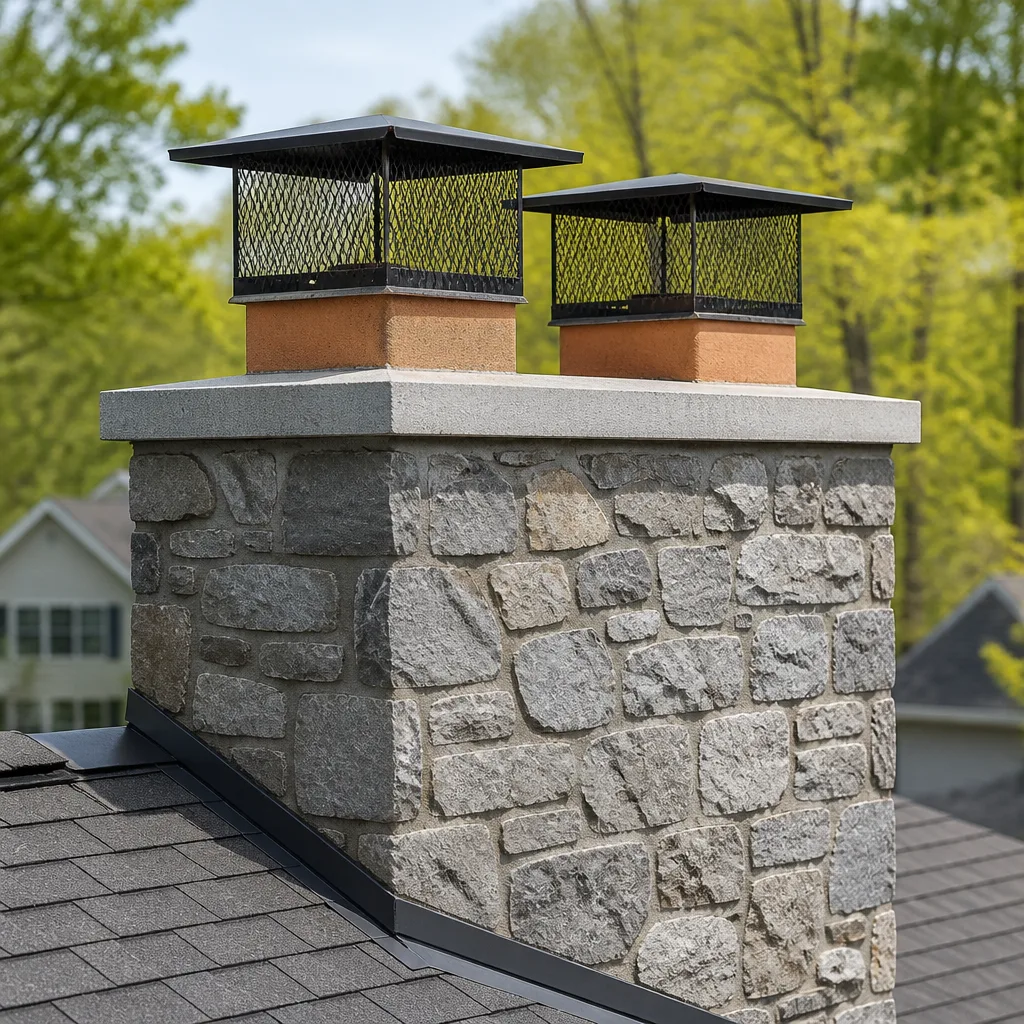
- Crown: A cracked crown lets water in with every storm season. Water gets into the masonry, freezes, and slowly separates the structure. By the time it’s visible indoors, the repair is usually larger than it needed to be.
- Cap: A missing or damaged cap is one of the most common entry points for animals, rain, and debris. It’s a small part with an outsized effect on the whole system.
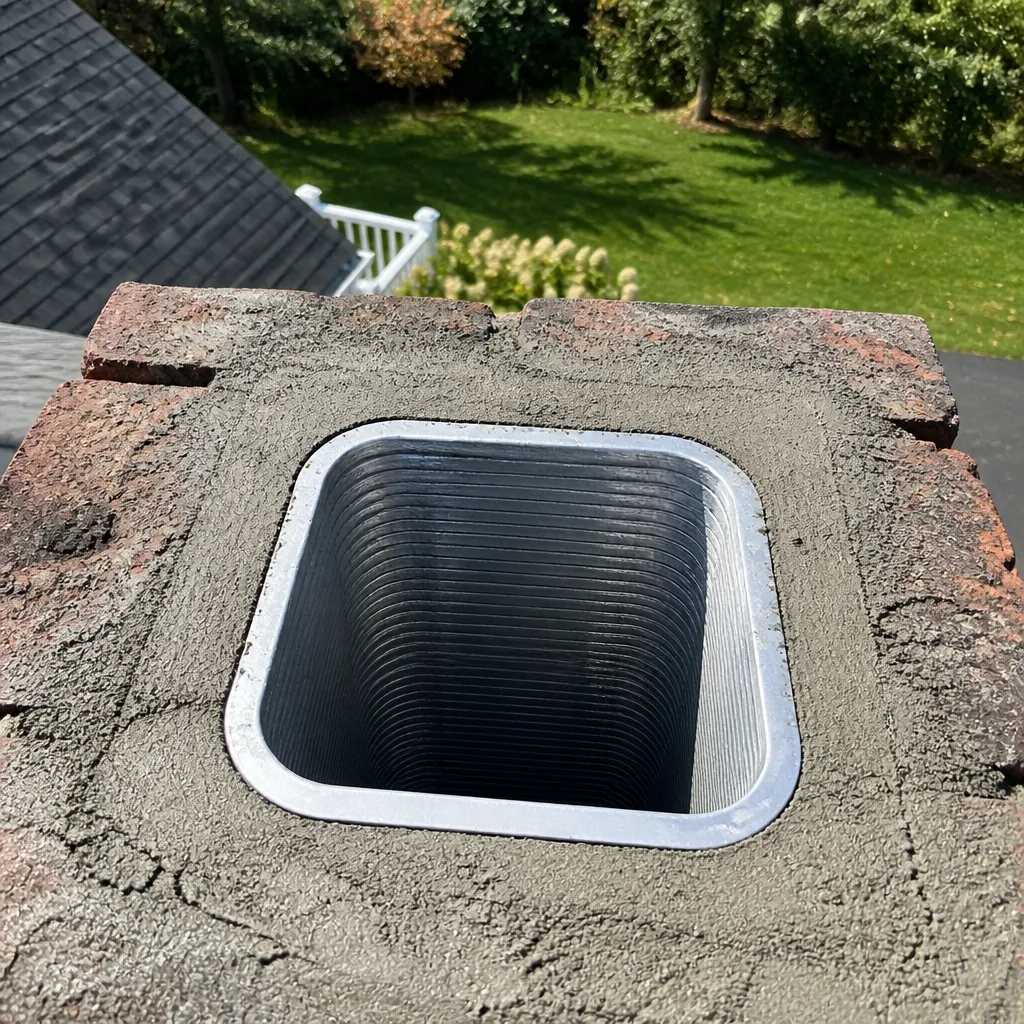
- Liner: A cracked or deteriorated liner can let combustion products into the structure of the chimney. Liner work is one of the reasons we install Chimney Sweep Seven Hills specialties like fireplace repair alongside cleaning; the liner is a fire-safety component, not a cosmetic one.
- Firebox and smoke chamber: Cracks in the firebox and rough surfaces in the smoke chamber affect how smoke drafts and where it deposits. These are inspected during a professional cleaning for a reason.
When you handle your own brushing, you’re handling one component of the system. That’s a fine thing to do, but it doesn’t substitute for someone looking at the crown, the cap, the liner, and the firebox together. For a homeowner in Seven Hills, that whole-system view is what makes professional cleaning worth the cost. It’s not about the soot on the flue walls; it’s about knowing that the parts that keep the system safe are still doing their jobs.
Full-service matters here as a matter of accountability. When one provider inspects the flue and also handles the cap, the crown, the liner, and the firebox repair, you don’t have to wonder whether one trade has passed the problem to another. One conversation, one set of findings, one warranty conversation at the end. That’s the practical argument for a chimney specialist rather than a generalist with a brush.
DIY vs Professional: Comparing the Real Costs
The honest cost comparison between DIY and professional cleaning isn’t just the brush versus the sweep fee. It’s the brush versus the sweep plus the equipment you won’t buy, the inspection you can’t do, and the documentation you don’t have. Here’s how the two sides stack up on a line-item basis.
- DIY brush and rods: A one-time purchase. It handles first-degree soot only, on the flue it’s sized for.
- DIY vacuum and containment: A household shop vac isn’t designed for fine chimney soot; filtration and cleanup add real cost and effort if you want the dust not to end up in your living room.
- Professional sweep fee: A one-time charge per cleaning, and it includes the inspection, the camera check, and the documentation. Priced per job by written estimate.
- Professional inspection record: Included with the sweep, and it’s the item that matters if you ever have an insurance question or sell the home.
- Liner and structural findings: Neither a brush nor a sweep pre-determines whether this comes up. The difference is that an inspection finds it before it becomes an emergency.
The trade is not complicated. You can spend a modest amount on a brush and handle light maintenance yourself, accepting that you’re not answering the liner or documentation questions. Or you can have a professional clean and inspect once a year and rest easier knowing the whole system has been looked at. Most Seven Hills homeowners land on the second option once they understand what “the whole system” means, because the questions a brush can’t answer are the ones that keep the house safe.
Our technicians have up to 10 years of experience with systems like these, and the assessment is usually straightforward. What we won’t do is tell you that you need thousands of dollars of work you can’t verify. If something is found, you see the camera footage, and we tell you plainly what can wait and what can’t. That’s the standard we hold ourselves to.
Common Mistakes to Avoid
- Brushing a wood-burning flue and calling it cleaned. A hand brush doesn’t touch glazed creosote, which is exactly the grade that creates fire risk. If you brush a wood flue without a rotary cleaning and inspection in the mix, you’re addressing only part of the problem.
- Assuming soot means everything’s fine. Soot is the easy, visible part; the dangerous deposits are the ones a brush slides over. “It looked pretty clean” is not the same as “the liner is sound.”
- Skipping the crown and cap check while you’re up there. It’s common to inspect a flue after brushing and never look at the top of the chimney. A cracked crown and a missing cap are how water and animals get in, and they’re easy to spot if you look.
- Ignoring the smell through the summer. A lingering creosote smell when it warms up is a sign of deposits in the flue, not just the last fire. If you notice it, book an inspection rather than a brush-only.
- Doing the work with no paper trail. Cleaning your own flue and keeping no record leaves you without the one piece of evidence an insurer or inspector wants. A professional baseline is worth having even if you keep doing the annual brushing yourself.
- Assuming a general handyman can do the same job. Chimney cleaning, liner inspection, cap and crown work, and liner systems are a specialist trade. The materials matter too; we work with professional-grade brands like HeatShield and DuraFlex because the alternatives don’t hold up the same way over time.
- Letting one season stretch into two without inspection in Seven Hills. Long heating seasons mean heavier creosote load. The systems here don’t get an off-year the way a mild-climate fireplace might.
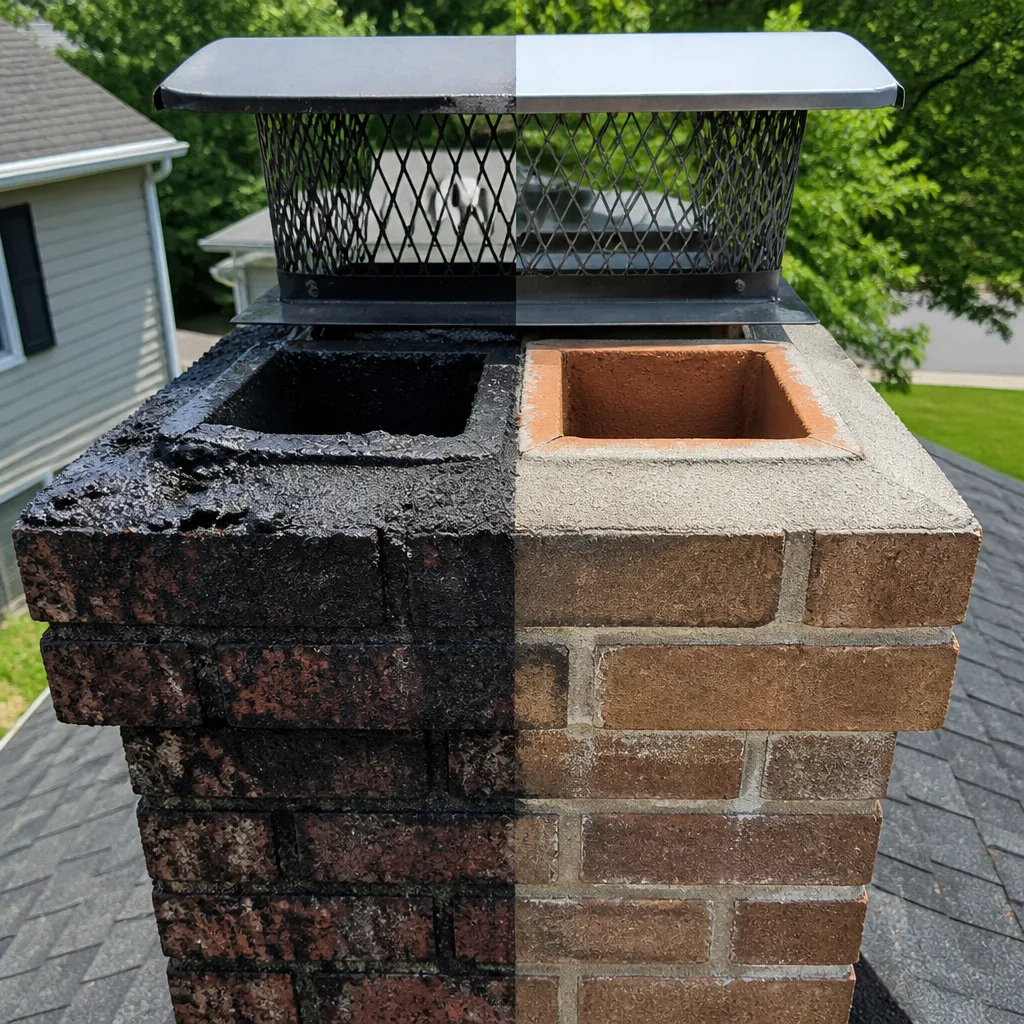
See the difference
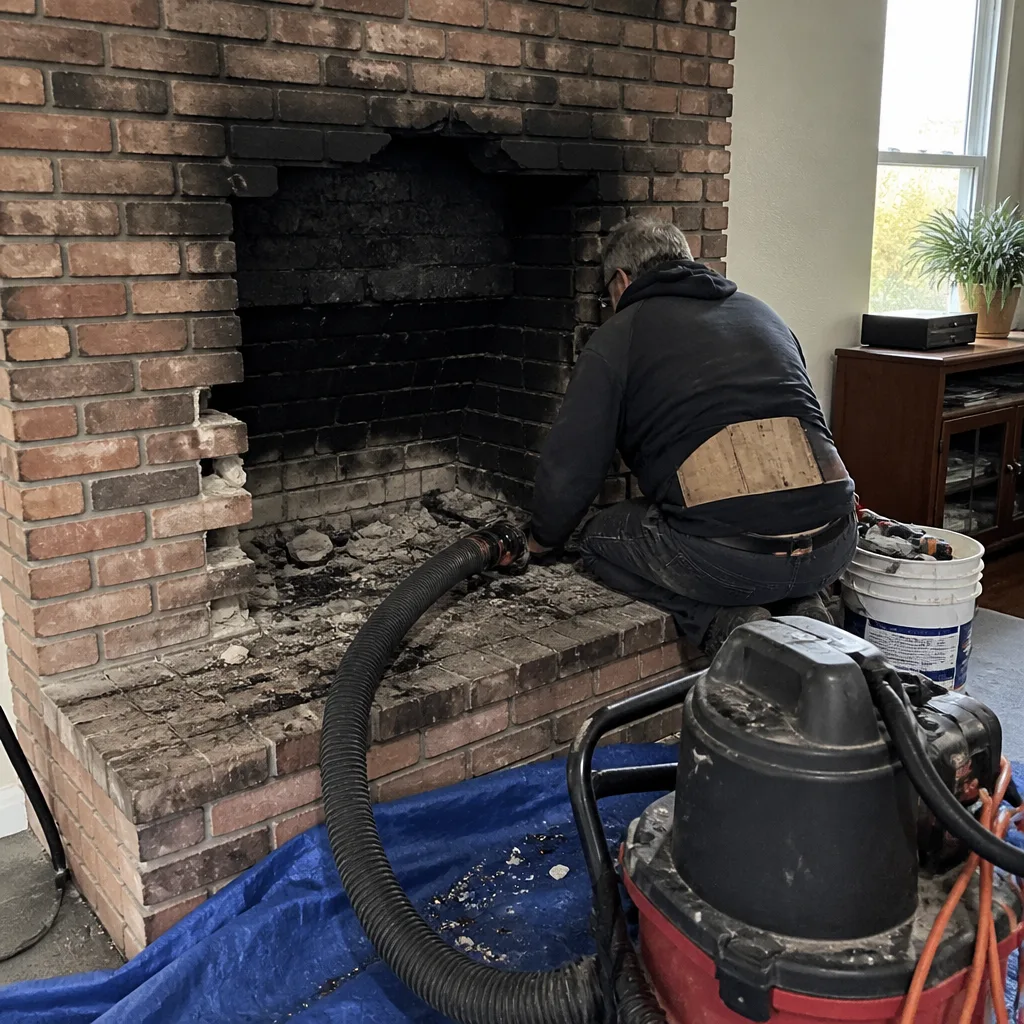 Before
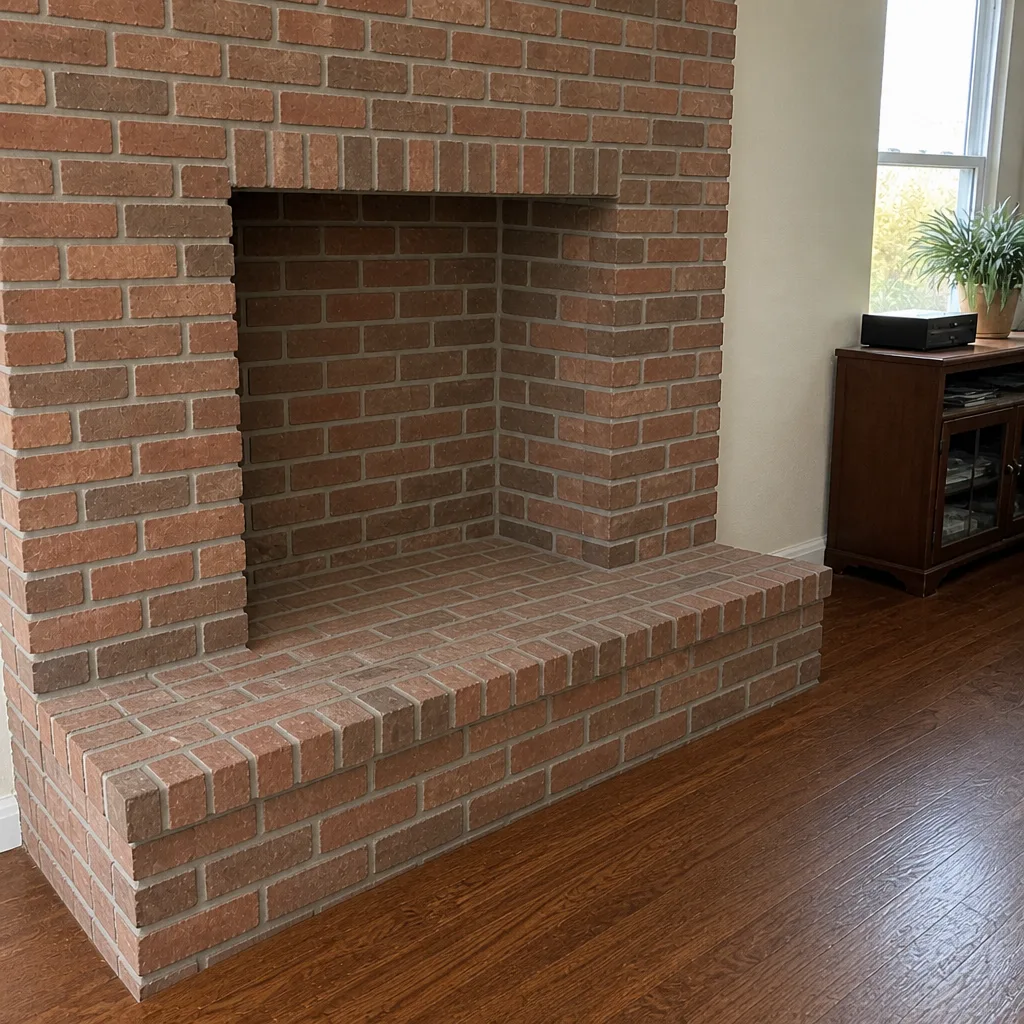 After
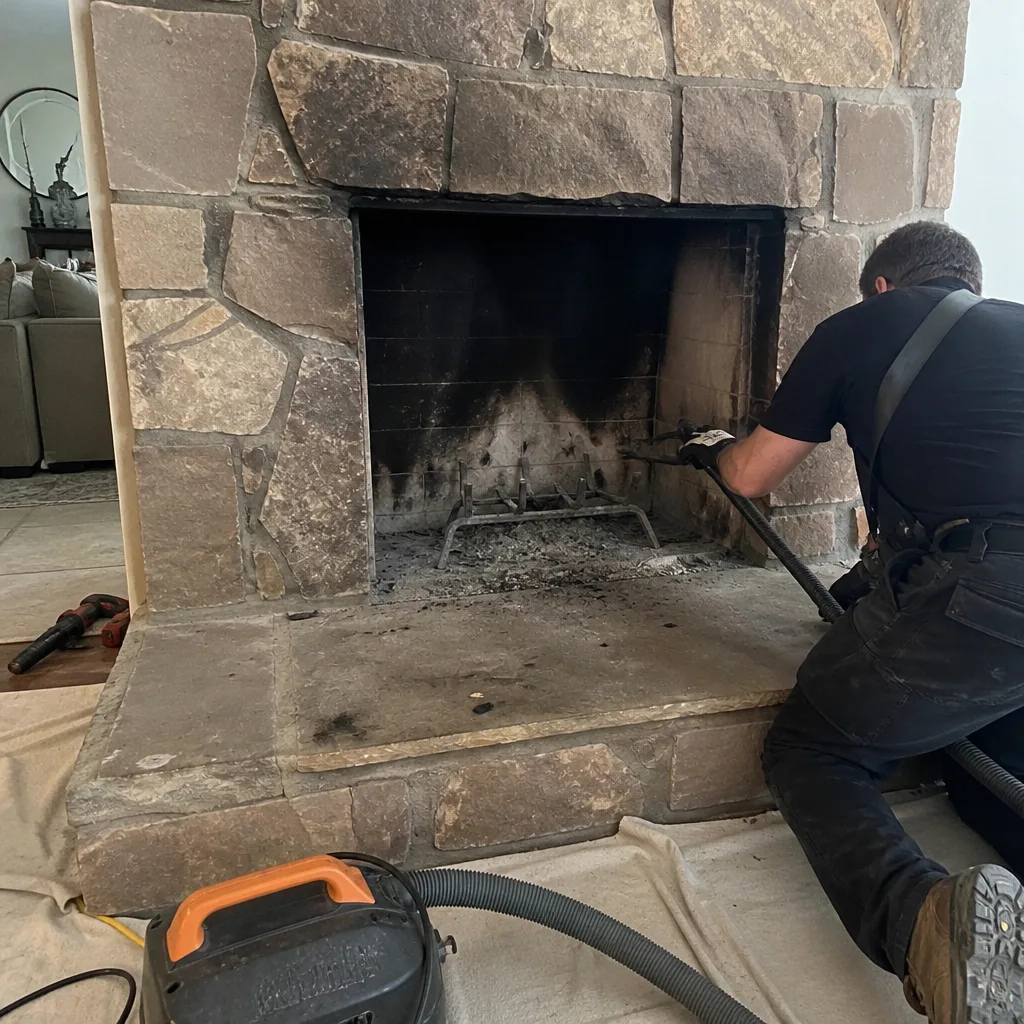 Before
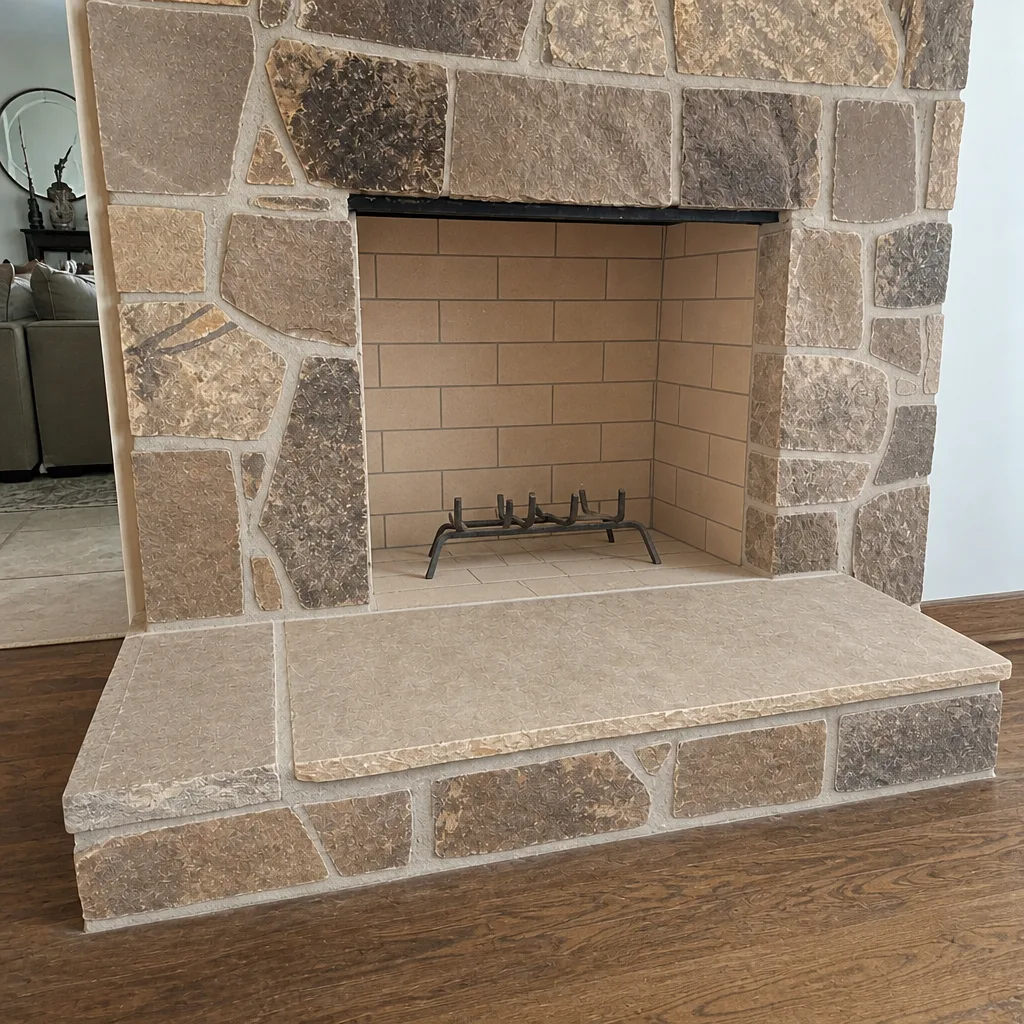 After
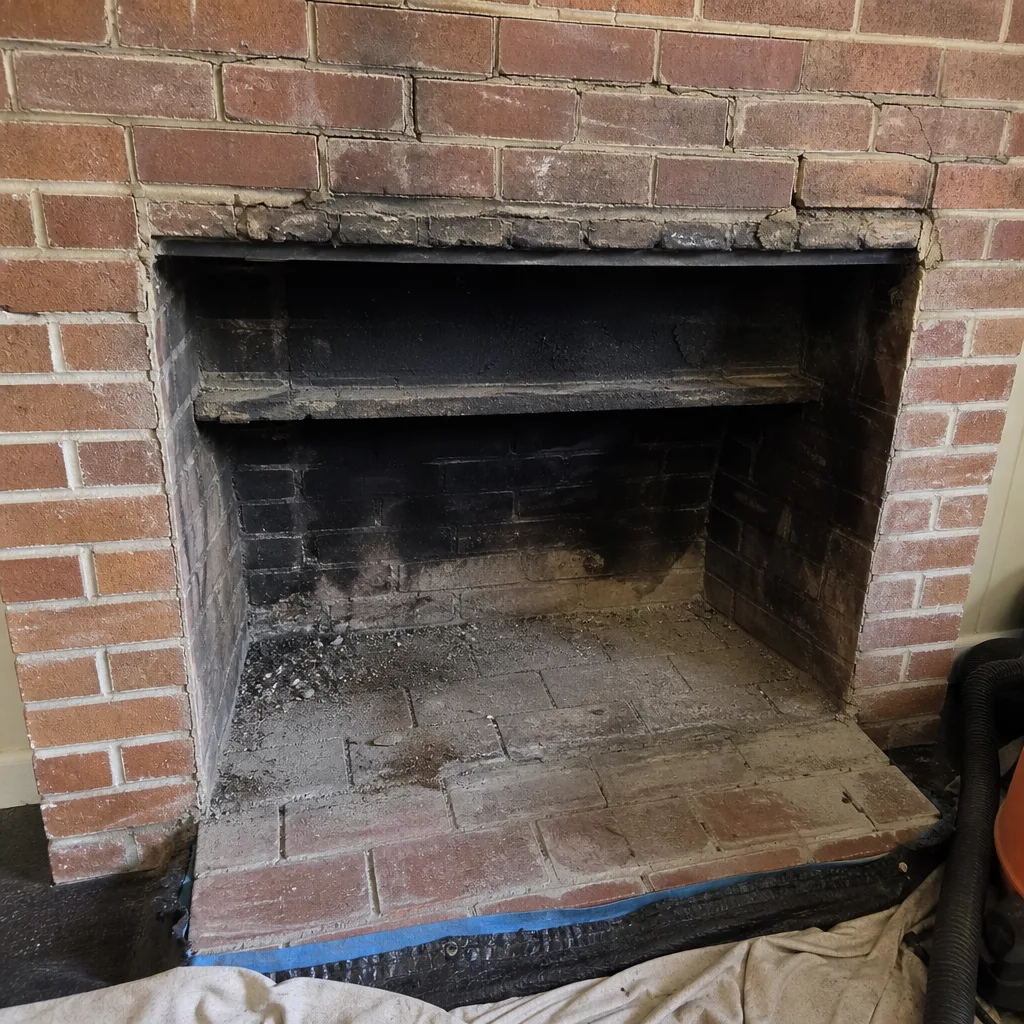 Before
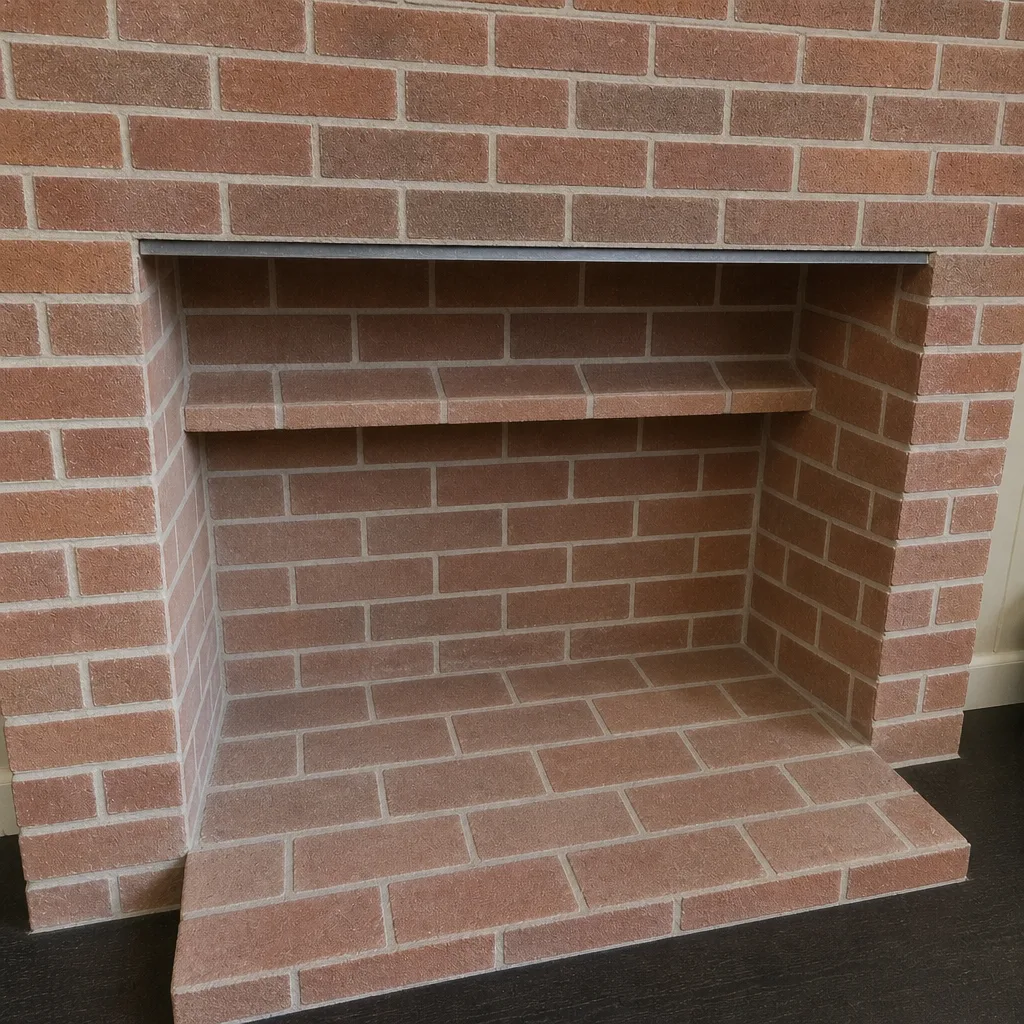 After
When to Call a Professional
Some situations cross out the DIY option entirely. Call a professional if you burn wood regularly, if you’ve never had an inspection or can’t remember the last one, if you see cracking or shifting in the flue, if you smell creosote on warm days, if anything has nested in the flue, if there’s water staining or rust on the chimney, or if your appliance smokes back into the room. Any of those is a signal that the system needs to be looked at by someone with a camera and the right cleaning tools, not just a brush. If you’re unsure, treat it as a call. A brief inspection is far less expensive than an emergency repair, and it settles the question. Chimney Sweep Seven Hills offers free estimates in Seven Hills. Call (866) 937-8581. We answer 24/7. Fast dispatch from 7am to 7pm, Sunday through Friday, closed Saturday.
Frequently Asked Questions
You can clean your own chimney if you have a light-use gas appliance, a recent professional inspection on record, and no signs of liner or drafting problems. Any wood-burning system with regular use, or any flue without a current inspection, should be handled by a professional because a brush can’t assess liner integrity or remove glazed creosote. Call (866) 937-8581 for an exact quote if you’d rather start with an inspection.
A brush cleaning removes loose soot from the flue walls. A professional sweep cleans with a rotary system that reaches the harder deposits, inspects the liner and smoke chamber with a camera, and provides a written record of what was found. It’s the inspection and documentation that separate the two, not just the cleaning method. Estimates are free, so call (866) 937-8581 to schedule one.
Your insurer may review a fire-related claim more closely if there is no professional inspection record showing the system was in sound condition. A documented inspection doesn’t guarantee an outcome, but it gives you the clearest evidence that the flue was safe. It’s a strong practical reason to keep a professional inspection current even if you brush your own flue. Call (866) 937-8581 for a free estimate on an inspection.
Most wood-burning systems in Seven Hills benefit from an annual inspection and cleaning, given the long heating season and steady use. Gas appliances used lightly may go longer, but a yearly inspection is still the safe default. The right schedule depends on what the inspection finds, which is why an annual check is the starting point. Call (866) 937-8581 for an exact quote.
A hand brush removes first-degree soot and struggles with second-degree creosote; it glides over third-degree glazed creosote entirely. That’s the grade most associated with serious chimney fire risk, and it takes a rotary system to remove. If you’ve brushed your own flue and it looked “pretty clean,” the glazed layer may still be there. Call (866) 937-8581 for a free estimate on a professional cleaning.
Book a professional inspection and ask for the liner to be checked with a camera, then get the findings in writing. That gives you the documentation your brush work can’t produce and closes the gap on liner condition. You can keep up your own annual brushing between documented visits. Call (866) 937-8581 for a free estimate.
Cleaning is never enough if the cap is missing or the crown is cracked, because both let water into the masonry every storm season. A good inspection checks both, and cap and crown work is part of what a chimney specialist handles so you don’t have to call a second trade. Call (866) 937-8581 for a free estimate if you’re unsure of the condition of either.
The Bottom Line
DIY brushing has a narrow, real place: a light-use gas appliance with a recent professional inspection on record and no signs of trouble. For the high-use wood-burning systems common in Seven Hills, brushing alone creates false confidence because it leaves the harder creosote grades, the liner, the crown, the cap, and the documentation unanswered. The tools professionals use, the inspection they perform, and the record they leave are the parts a brush can’t replace. If you want to keep brushing your own flue between visits, do it. Just pair it with a professional baseline inspection so you know what you’re working with.
If you’d like that baseline, or if you’d rather hand the annual cleaning to a specialist and keep your weekends, Chimney Sweep Seven Hills is ready to help. Our technicians have up to 10 years of experience, we work with professional-grade brands like HeatShield and DuraFlex, and we’ll tell you plainly what’s found, what can wait, and what shouldn’t. Call (866) 937-8581 for a free estimate. We answer 24/7. Fast dispatch from 7am to 7pm, Sunday through Friday, closed Saturday.
Written by the team at Chimney Sweep Seven Hills.