
Last updated November 23, 2026
 Sweep & inspection
 Caps & crowns
 Flue relining
 Masonry repair
 Gas fireplace service
Level 1 sweep and inspection to the NFPA 211 annual standard - flue, crown, cap, and flashing checked and photographed
Chimney sweep logs do not sweep chimneys. They loosen some creosote - which then falls where a brush and vacuum still have to collect it.
Choosing the Right Chimney Cleaning Brand: A Buyer’s Guide for Seven Hills
Creosote removal logs are real products with a legitimate job to do. They loosen the grip of hardened, glazed creosote on a flue liner, and a sweep can do more with that softened deposit than with a rock-hard one. What they don’t do is replace the sweep. Some labels and some sales chatter imply that a log dropped in the firebox handles the whole problem, and that misunderstanding has led plenty of Seven Hills homeowners to skip cleanings they genuinely needed. In this guide, we’ll sort the chimney care products you’ll actually encounter into their functional categories, explain what each one does and doesn’t do, show which brands professional technicians reach for and why, and explain why the diagnosis has to come before the product in Seven Hills. By the end you’ll know how to judge a product claim, how to evaluate a waterproofing sealer for Colorado’s freeze-thaw cycles, and when to leave the whole thing to a trained technician.
Quick Answer
The right chimney cleaning brand is the one that matches your chimney’s actual condition, not the loudest label on the shelf. Creosote treatment chemicals, soot removers, and masonry waterproofers are three different product categories with three different jobs, and none of them replaces mechanical cleaning by a technician. Professionals tend to use proven brands such as Rutland for surface treatments and ChimneySaver for vapor-permeable waterproofing, and they choose them after an inspection shows what the flue actually needs.
Styles & brands we work with
- Sweep & inspection
- Caps & crowns
- Flue relining
- Masonry repair
- Gas fireplace service
Table of Contents
- The Four Categories of Chimney Care Products
- Creosote Treatments: What They Do and What They Don’t
- What Professional Technicians Actually Use, and Why
- Evaluating Waterproofing Sealers for Colorado’s Freeze-Thaw Cycles
- Why Diagnosis Comes Before Product Selection
- The Seven Hills Seasonal Picture
- How to Evaluate a Brand Before You Buy
- Common Mistakes to Avoid
The Four Categories of Chimney Care Products
Most confusion among Seven Hills homeowners comes from mixing up product categories. A product designed for one job gets judged by the standards of another, and it fails. Here are the four categories you’ll run into.
- Mechanical cleaning aids. Rods, brushes, whips, and vacuums. These are the tools a sweep uses to physically remove soot and creosote from the flue walls. Nothing chemical can substitute for this step.
- Chemical treatments. Creosote modifiers, soot removers, and spray-on treatments. These change the consistency of a deposit or break up carbon glaze so a technician can brush it away. They are a supplement to a sweep, never a replacement.
- Waterproofers. Breathable masonry sealers applied to the outside of a chimney. The right product keeps liquid water out while allowing vapor to escape. The wrong one traps moisture inside.
- Sealants and repair compounds. Crown sealant, mortar repair products, and liner resurfacing systems. These address the structure and are professionally applied materials, not consumer products.
Once you see these four groups as separate, most marketing claims sort themselves out. A creosote log in category two can’t do the job of category one, and a waterproofing sealer in category three has no effect on what’s inside the flue.
Creosote Treatments: What They Do and What They Don’t
Creosote deposit goes through stages. Fresh soot and light fluff come off with a brush fairly easily. As deposit builds, it hardens. In its later stage it glazes into a hard, shiny shell that a standard brush pass can’t strip. That hardened stage is why sweep technicians reach for a chemical modifier. A product like Anti-Creo-Soot or a similar catalytic treatment is thrown in the firebox, burns, and chemically changes that hard shell, making it brittle enough for a technician to remove on the next cleaning. For that narrow job, these products earn their place, and a professional sweep is the right person to decide whether to use one.
The problem is what homeowners do with the label instead of what the label says. The implication of some packaging and store shelf talk is that the product is a cleaning substitute. It isn’t. No consumer product can remove creosote deposit on its own. What it does is change how one deposit behaves so that mechanical cleaning can finish the job. A homeowner who treats creosote log placements as a reason to skip the sweep is delaying real removal and letting deposit build further.
There’s a second, subtler risk. A treated flue can look better, behave better, and give a false sense of progress. The only real test is a camera inspection, and that’s the technician’s job. If you’re using a creosote treatment at all, the follow-up sweep is the point of it. On a chimney with any age or history, an inspection before treatment is the responsible order of operations. You can’t sweep what you haven’t seen, and you shouldn’t treat what you haven’t inspected.
What Professional Technicians Actually Use, and Why
There’s a gap between the brands a hardware store stocks and the brands a working chimney professional keeps on hand. That gap isn’t about preference; it’s about what the products are engineered to do. A homeowner buying off-the-shelf treatments is shopping for consumer convenience. A technician is shopping for predictable results on real deposits in real flues. Here’s how the brands we work with fit into that picture.
| Brand | Category | Why Professionals Use It |
|---|---|---|
| DuraFlex | Flexible flue liner system | Relining older or damaged flues with a flexible liner that handles offset flues and lasts significantly longer than rigid alternatives |
| HeatShield | Liner resurfacing | Restores a deteriorated flue from the inside without a full reline; a specialty system most general contractors can’t source or install correctly |
| Olympia Chimney | Liner and venting components | Industry-grade stainless liner and componentry that holds up to consistent heat cycling |
| Gelco | Liner and component products | Proven components used in professional relining work |
| Famco | Chimney and fireplace components | Professional-grade hardware and components for fireplace and chimney work |
| Copperfield | Chimney and fireplace products | Dependable product line for professional installations |
For surface-level chemical work, Rutland is close to a household name in the trade; their creosote treatments and soot removers are reliable and widely available. For masonry protection, ChimneySaver is the reference brand for breathable waterproofing. Homeowners shopping for products themselves will mostly run into these two names, and they’re solid choices within their limited scope. What they’re not is a substitute for the professional-grade liner and repair materials above, which are a completely separate category.
We install from this curated portfolio because each of these brands has a track record with working chimney professionals. When we open up a chimney and find a deteriorated flue in Seven Hills, we’re not improvising a fix. The products and methods we use are the same ones used by certified chimney professionals nationwide, and the consequence is measurable over the life of the chimney. If nothing is recommended without evidence you can see yourself, the follow-up question is what gets installed. The answer is materials we can stand behind for the long haul.
Evaluating Waterproofing Sealers for Colorado’s Freeze-Thaw Cycles
Water damage causes more chimney destruction than fire does, and most of it starts on the outside. In Seven Hills, the driving issue is freeze-thaw. The front range climate swings hard between warm days and cold nights through much of the year, and masonry that holds any moisture into a freezing night gets punished for it. Water sitting inside brick and mortar expands as it freezes. That expansion is what spalls brick faces, opens mortar joints, and eventually lets water reach the structural parts of the chimney. A sealer that keeps liquid water out is worth the cost. A sealer that traps moisture inside is worse than nothing.
This is the single most important distinction when you’re comparing waterproofing products: vapor-permeable versus film-forming.
- Vapor-permeable sealers block liquid water from the outside while letting vapor from inside the masonry escape out. These are the correct choice for masonry in a freeze-thaw climate.
- Film-forming sealers create a solid barrier, which stops rain and snow but also traps vapor inside. In a hard freeze-thaw zone, trapped vapor is a slow-motion failure. Masonry that can’t dry out is masonry that’s being damaged.
Breathability matters more here than almost anywhere else, and it’s a property you have to read for on the label. If a product claims a seamless rubber or acrylic film, it’s the wrong tool for the job in Seven Hills. ChimneySaver is a vapor-permeable product, which is why professionals use it for masonry work in climates like ours. Whatever you buy, look for “breathable” or “vapor-permeable” in the product literature and check that the manufacturer approves the product for exterior masonry. If it’s marketed to seal decks or driveways, it’s not the right sealer for a chimney.
Getting this right also has a downstream effect on everything else. A cracked crown lets water in every storm season; a bad sealer traps water that got in through gaps you can’t see. Between the crown, the flashing, and the masonry itself, water has a lot of entry points, and the sealant choice should close the outside without sealing moisture inside.
Why Diagnosis Comes Before Product Selection
It’s tempting to start with the purchase. A homeowner sees creosote or a damp brick face, reads a product label, and decides that’s the problem. But symptoms on the outside don’t tell you what condition the inside is in. Here’s how the correct order of operations actually goes.
- Inspection first. A technician runs a camera down the flue and looks at the firebox, crown, flashing, and masonry. Every product decision flows from what that inspection shows.
- Identify the underlying condition. Is the problem a creosote deposit, or a cracked liner? Is the dampness a cracked crown, missing flashing, or a sealer that’s the wrong type? Each has a different fix.
- Recommend a product and method matched to the finding. A chemical modifier, a resurfacing system, a new cap and crown, or a full reline; the product is the answer, not the starting point.
- Show the homeowner the evidence. Camera footage of the actual flue is what justifies the recommendation. Anything less is guesswork.
- Wait where waiting is safe. Not every finding is urgent. Some recommendations can wait a season. A good technician tells you when.
The trap is doing this backward. Treating a symptom you noticed on the outside can hide a problem you can’t see. A creosote log can look like a fix but miss the state of the liner. A sealer bought off the shelf can look like a fix but trap water. When you start from an inspection, the products you choose serve the actual condition rather than papering over it.
That’s the same reason our estimates are set per job by a written estimate rather than quoted over the phone. A real number depends on what the diagnosis finds. A confident quote without an inspection is a guess, and it isn’t in your interest.
The Seven Hills Seasonal Picture
Seven Hills sits at the edge of the front range where the burn season is real and long. Homes here heat with wood through much of the cold months, which means creosote accumulates more evenly across the season than it might in a warmer climate. The shoulder seasons, when you’re not actively heating, are when most routine sweeps get booked. The busy part of the calendar is right before the first genuine cold snap, when every homeowner remembers the fireplace at the same time. Booking ahead of that is the practical move, though a sweep can safely wait if the inspection shows a clean flue.
Freeze-thaw is the other half of the picture. Masonry here has to survive repeated cycles of wet-and-freezing, which is why breathable waterproofing is standard practice on exterior chimneys in Seven Hills. The same climate makes the crown and flashing details worth inspecting every year; those are the entry points where a small crack becomes a structural problem by the following spring.
Summers here are dry enough that the masonry dries out well between storms, which is a genuine advantage. But good drying conditions don’t fix a bad sealer that trapped moisture, they just mean you may not notice the damage until it’s visible on the brick. That’s a reason to inspect in the spring, not a reason to assume the winter left no mark.
Our technicians have up to 10 years of experience reading flues in climates like ours. That’s the kind of pattern recognition that saves someone from buying the wrong product for the wrong problem, and it’s why we start every job with an inspection.
How to Evaluate a Brand Before You Buy
There’s a short checklist you can apply to any product before you buy it. It won’t tell you whether you need it; that’s the technician’s job. But it will tell you whether the product is being marketed honestly and whether it fits its category.
- Check the category. Does the manufacturer clearly state what the product does and doesn’t do? A creosote log that implies it replaces a sweep is overstating itself.
- Look for compatibility. Waterproofers should state they’re vapor-permeable and approved for exterior masonry. Sealants and repair compounds should state which materials they’re designed for.
- Check for professional adoption. Brands that working chimney professionals actually buy are a better signal than brands that fill store shelves. DuraFlex, HeatShield, Gelco, Olympia Chimney, Famco, and Copperfield show up on professional job sites for a reason.
- Read the fine print on the label. Directions matter. Directions that assume an inspection or a professional application are telling you something.
- Respect the limits. No product in the consumer shelf market is a substitute for a sweep. That’s the one line a homeowner should never cross.
If a brand passes these checks and matches your home’s actual condition after inspection, it’s a good candidate. If it fails any of them, it’s not.
Common Mistakes to Avoid
- Treating creosote logs as a replacement for sweeps. They soften a deposit so a sweep can remove it. Skipping the sweep defeats the point and leaves the flue no cleaner.
- Buying a film-forming waterproofing sealer. On a Seven Hills masonry chimney, a sealer that traps vapor inside causes more freeze-thaw damage than the water it was meant to keep out.
- Applying waterproofing before finding the real entry point. A sealer over cracked crown or flashing hides the leak. Fix the crown and flashing first; you can check the state of those details with chimney cap & crown work before the sealer goes on.
- Choosing a product before an inspection. The diagnosis drives the product. Buying first and inspecting second means you’re treating whatever you noticed instead of whatever is actually there.
- Assuming a stronger chemical fixes a bigger problem. A chemical treatment can’t restore a cracked liner. That’s a resurfacing or relining job, and no consumer product is engineered to do it.
- Treating a smell as a cleaning problem. A smoky odor often means pressure problems, a draft issue, or an air-sealing gap in the house, not a dirty flue. If the answer isn’t cleaning, a different service is the fix.
- Reading a brand’s marketing as a diagnosis. Marketing copy is written to sell a product. A diagnosis is written to describe your chimney. Only one of those is a safe basis for choosing what to apply.
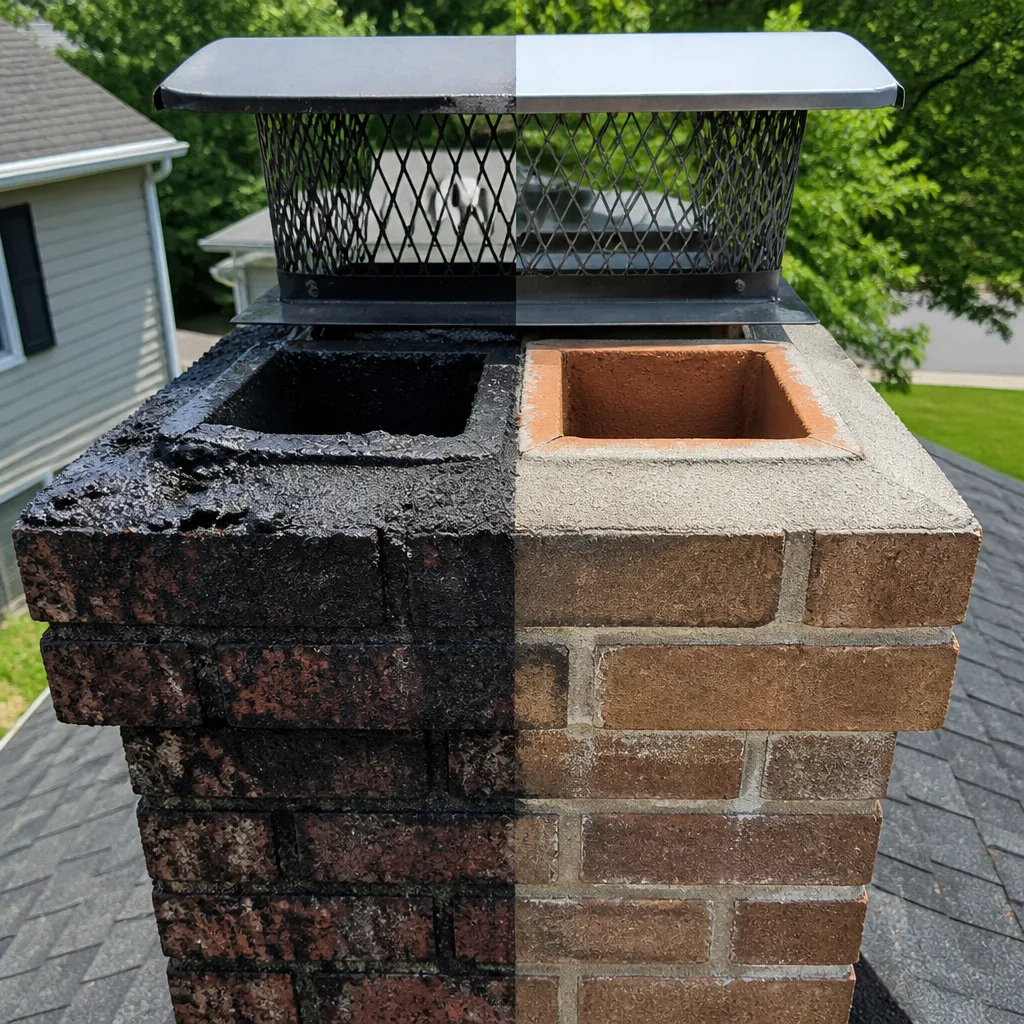
See the difference
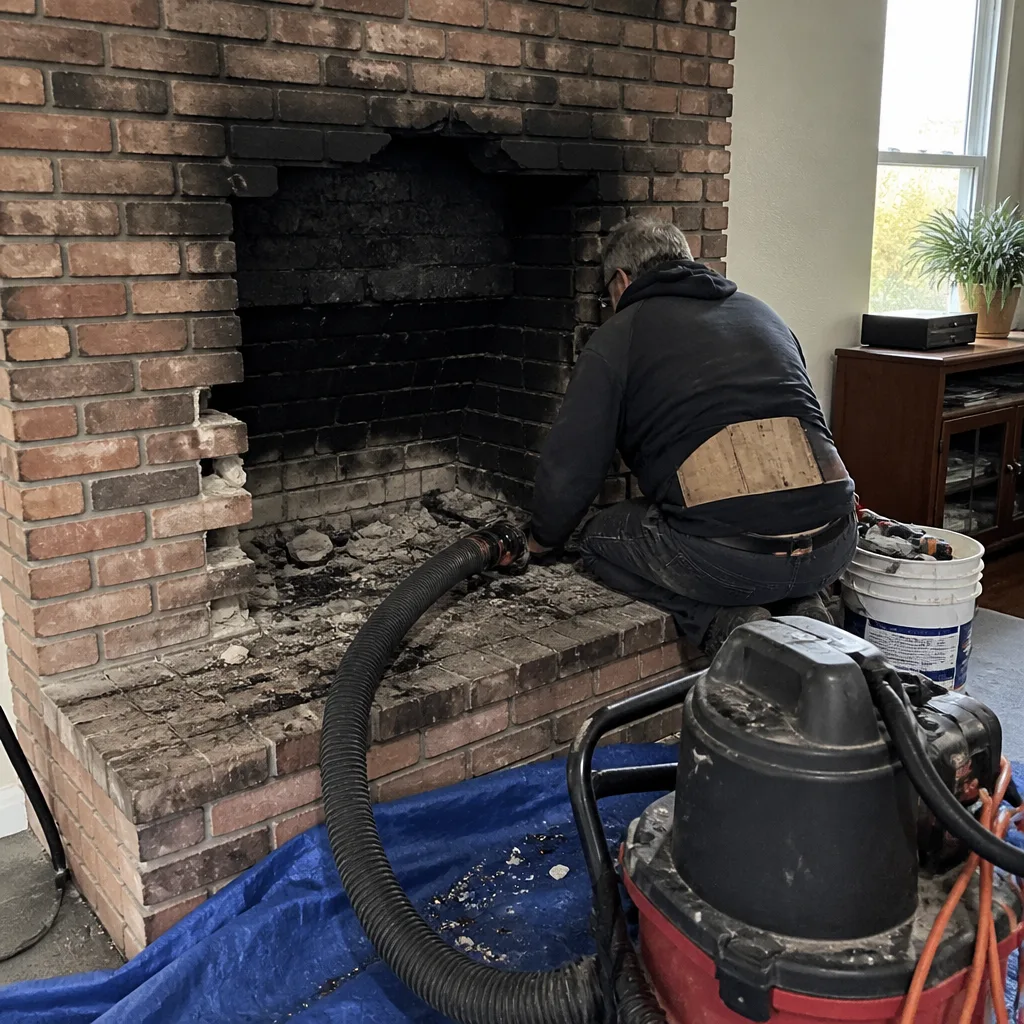 Before
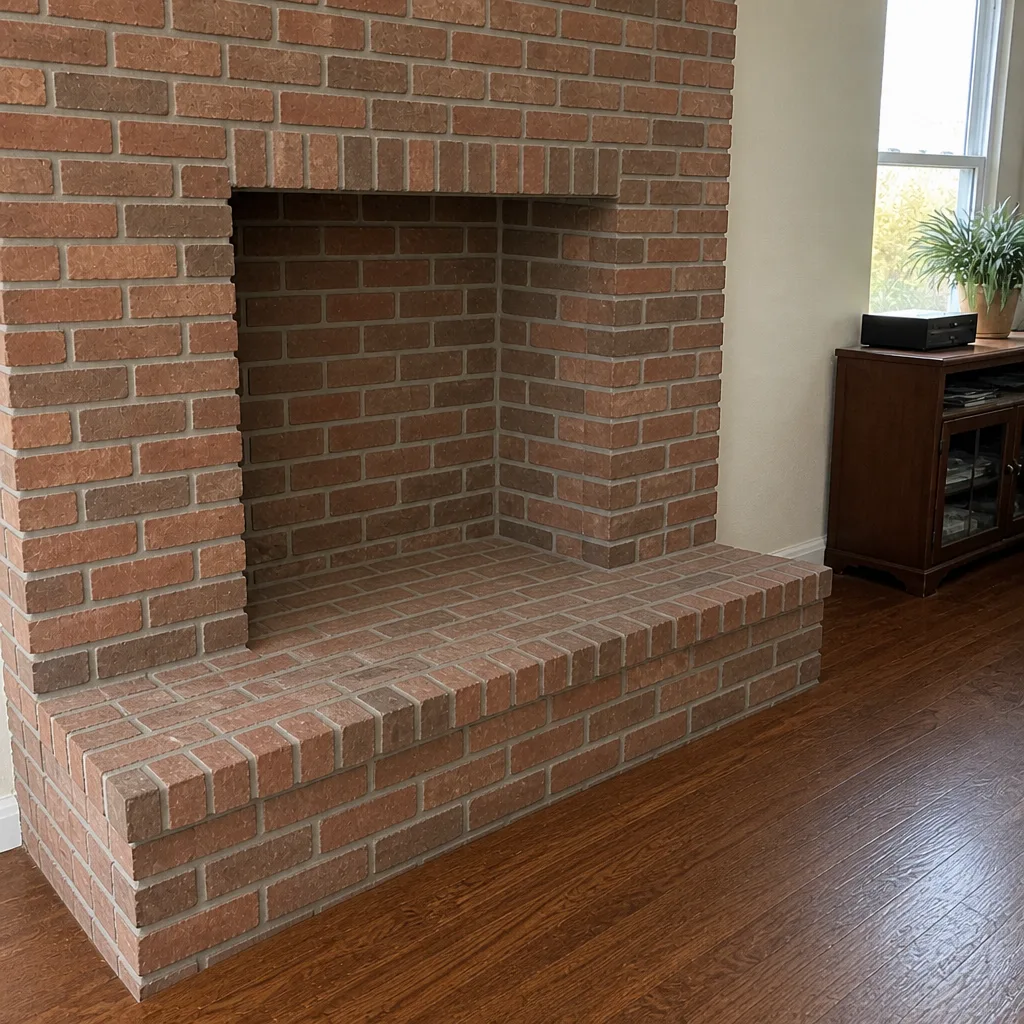 After
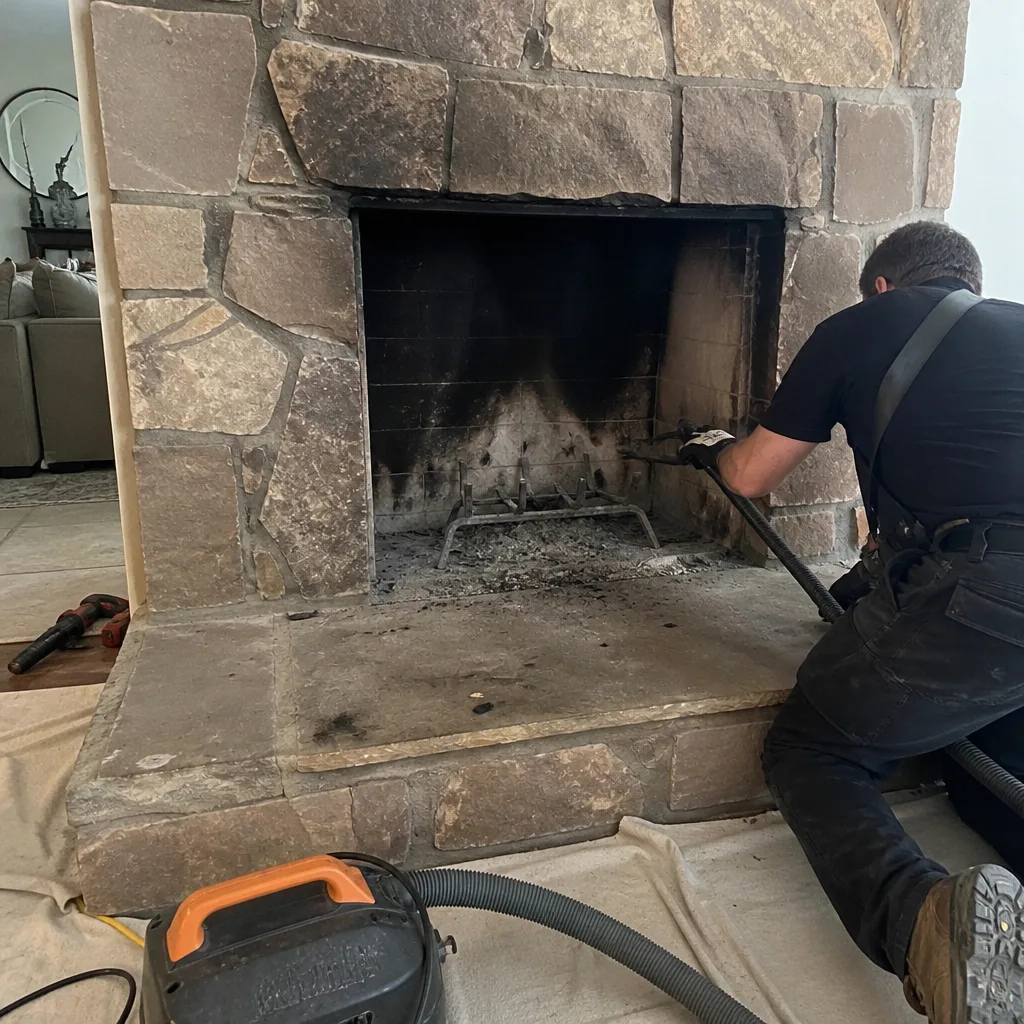 Before
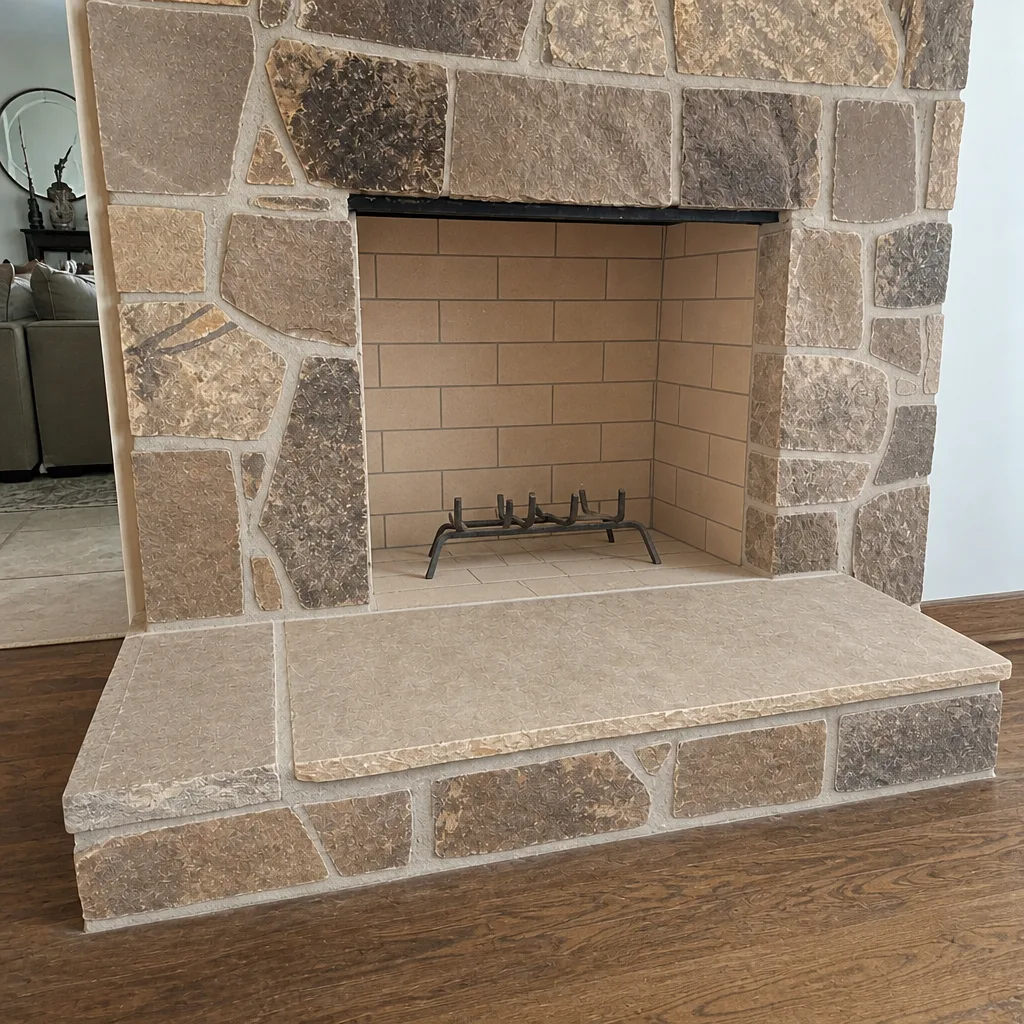 After
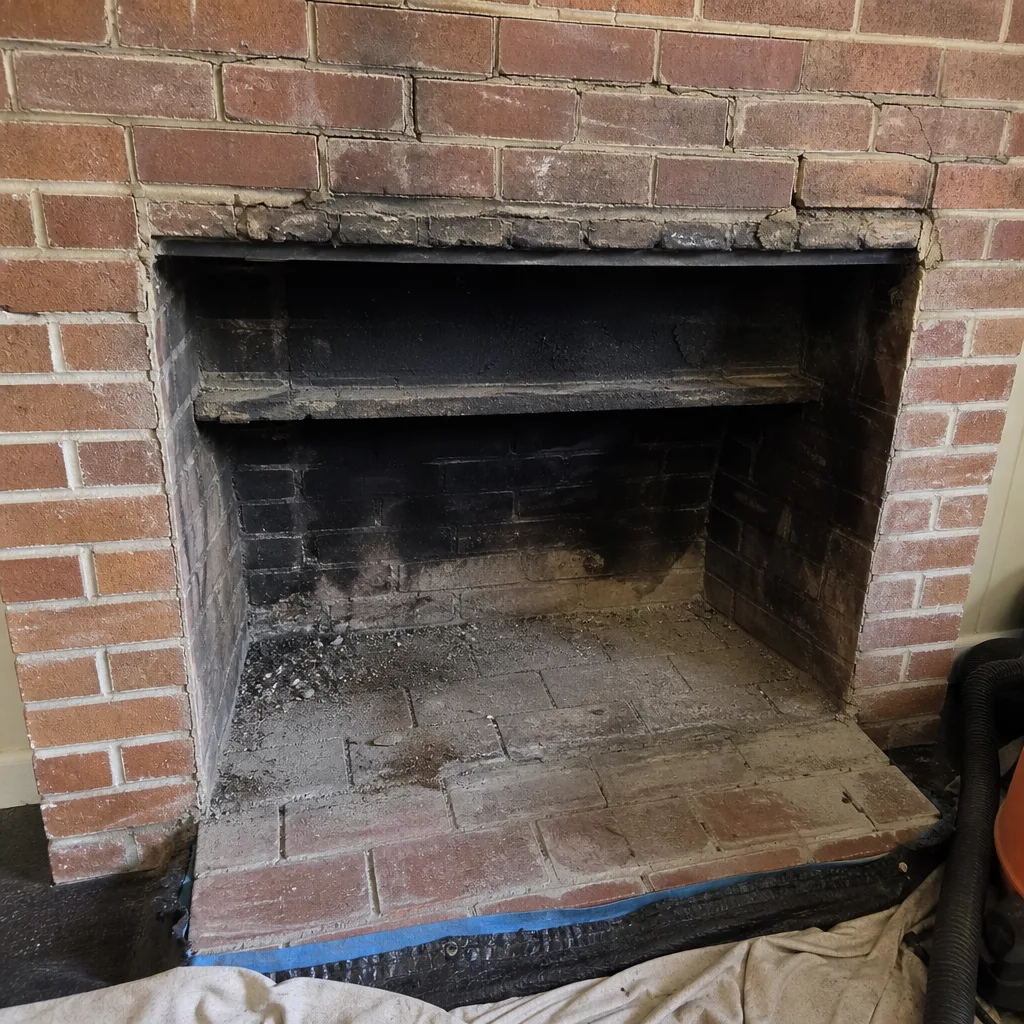 Before
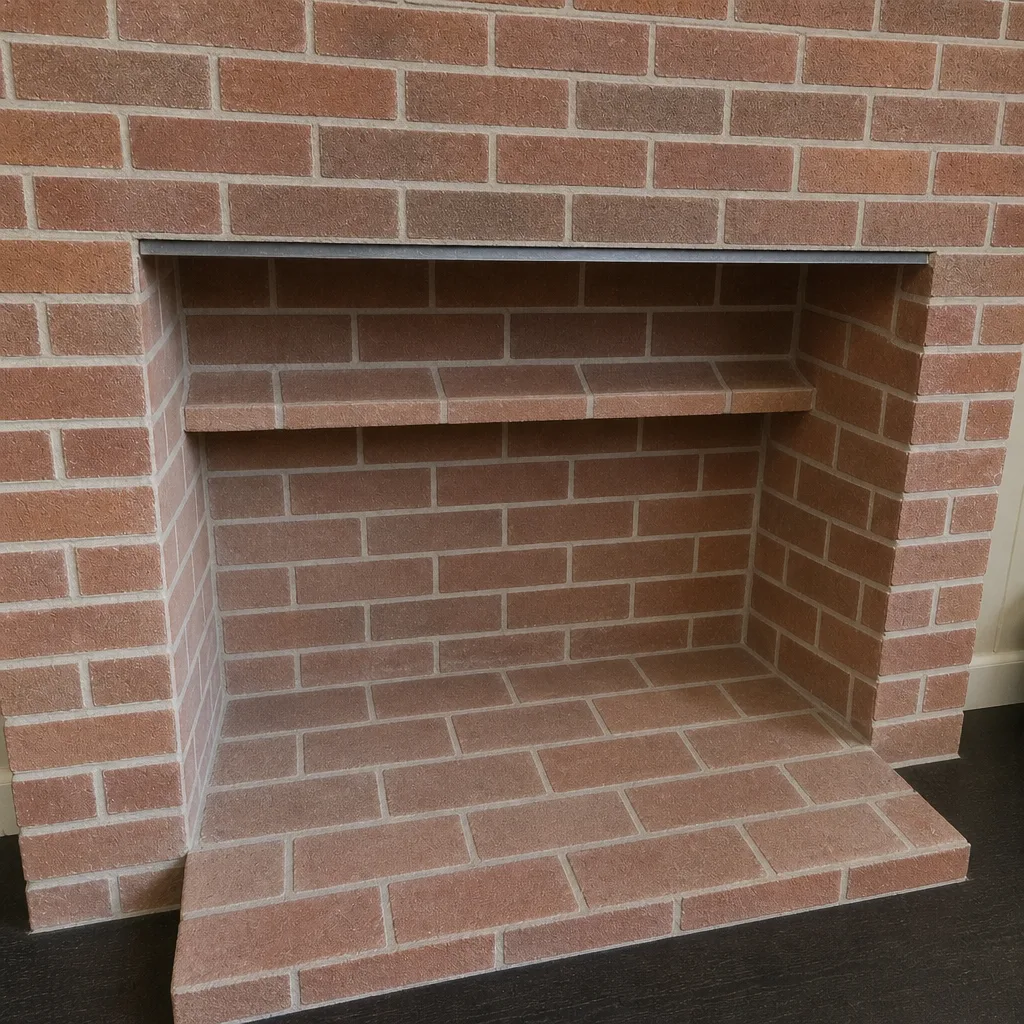 After
When to Call a Professional
Some situations call for a technician rather than a product. If you can see a visible crack in the chimney crown or the mortar joints, if the firebox or damper shows damage, if you’ve had a chimney fire even a small one, if your fireplace produces smoke that won’t leave the room, or if the last time the flue was inspected is more than a season ago, a professional inspection is the starting point. The same goes for any time you’re considering a chemical treatment; the treatment is the professional’s call. In Seven Hills, Chimney Sweep Seven Hills offers free estimates. Call (866) 937-8581. We answer 24/7. Fast dispatch from 7am to 7pm, Sunday through Friday. A call outside dispatch hours is booked into the next opening, Sunday through Friday, 7am to 7pm. Every estimate comes from an inspection with camera evidence, and nothing gets recommended without a photo report you can see for yourself. When the right answer is to wait, we tell you.
Frequently Asked Questions
There’s no single best brand; the right choice depends on what the inspection finds. For professional-grade relining and repair, we install from DuraFlex, HeatShield, Gelco, Olympia Chimney, Famco, and Copperfield. For consumer chemical treatments, Rutland and Anti-Creo-Soot are reliable within their category. Call (866) 937-8581 for a free estimate and we’ll walk you through what your chimney actually needs.
They work within limits: they soften late-stage, glazed creosote so a technician can brush it away on the next sweep. They don’t replace the sweep itself, and no consumer product can. If a label or sales pitch implies otherwise, treat it as marketing and not as a cleaning substitute. Call (866) 937-8581 to schedule a sweep and an inspection before you treat anything.
A chimney sweep is a service that mechanically removes soot and creosote, while a cleaning product is a chemical or a tool that supplements the sweep. Products change how a deposit behaves; they don’t perform the removal. Only a mechanical cleaning removes what’s on the flue walls. Call (866) 937-8581 for a free estimate on a sweep that starts with an inspection.
Yes, on exterior masonry in a freeze-thaw climate, a vapor-permeable sealer is the right choice. A film-forming sealer traps moisture inside the masonry and makes freeze-thaw damage worse. ChimneySaver is a breathable product professionals use for exactly this reason. Call (866) 937-8581 for a free estimate on sealing your chimney correctly.
Some components are available on the consumer market, but liner systems and HeatShield resurfacing are professional installations. Getting the sizing, the connection, and the seal wrong nullifies the warranty and can create a real hazard. The brands on our list are professional-grade materials for a reason. Call (866) 937-8581 for a free estimate and we’ll tell you whether your chimney needs liner work at all.
Once a year for most homes that burn wood regularly, and whenever the flue hasn’t been seen in more than a season. In Seven Hills, the inspection should include the crown, flashing, and masonry because freeze-thaw is the other half of chimney damage here. The inspection is the starting point, not an upsell. Call (866) 937-8581 for a free estimate; we answer 24/7 with fast dispatch from 7am to 7pm, Sunday through Friday.
Because they’re matching the product to the condition. HeatShield resurfacing is a specialized system most general contractors can’t source or install, and DuraFlex flexible liners are used for flues that need relining rather than resurfacing. Matching the brand to the diagnosed condition is the whole point. Call (866) 937-8581 for a free estimate and a photo report of what your flue actually looks like.
The Bottom Line
Chimney cleaning products are real tools with real limits, and the smartest way to buy them is to know which category you’re shopping in and what the inspection says your chimney needs. Creosote treatments soften deposits for a sweep, they don’t replace one. Waterproofers must be vapor-permeable to work in Seven Hills’ freeze-thaw climate, not film-forming. Professional-grade brands like DuraFlex, HeatShield, Gelco, Olympia Chimney, Famco, and Copperfield are the ones a working chimney professional uses because they’re engineered to hold up over the life of the system. And diagnosis comes first; every product decision only makes sense when it follows an inspection. That’s how you choose right and skip the guesswork. For fireplace repair or the sweep itself, the diagnosis is where we start.
Contact
If you’re ready to know what your chimney actually needs, call us for a free estimate. We’ll inspect the flue with a camera, show you what we find, and tell you plainly whether the right answer is cleaning, a treatment, a sealer, or nothing at all. Chimney Sweep Seven Hills connects homeowners in Seven Hills with vetted local professionals who work with professional-grade materials and hold themselves to a written estimate you approve before any work begins. Call (866) 937-8581. We answer 24/7. Fast dispatch from 7am to 7pm, Sunday through Friday. A call outside dispatch hours is booked into the next opening, Sunday through Friday, 7am to 7pm. One call, one diagnosis, one written estimate. For the full picture of what we do, visit Chimney Sweep Seven Hills.
Written by the team at Chimney Sweep Seven Hills.