
Last updated November 23, 2026
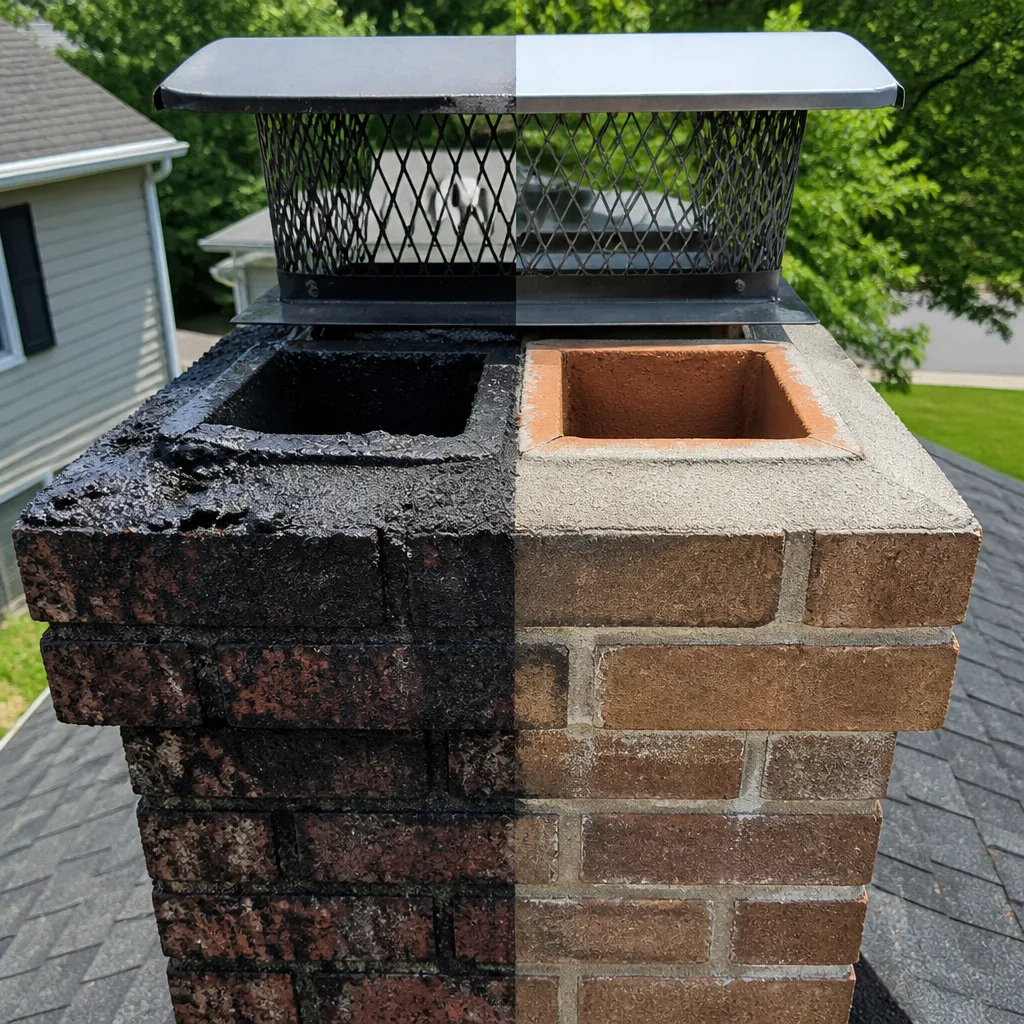 Sweep & inspection
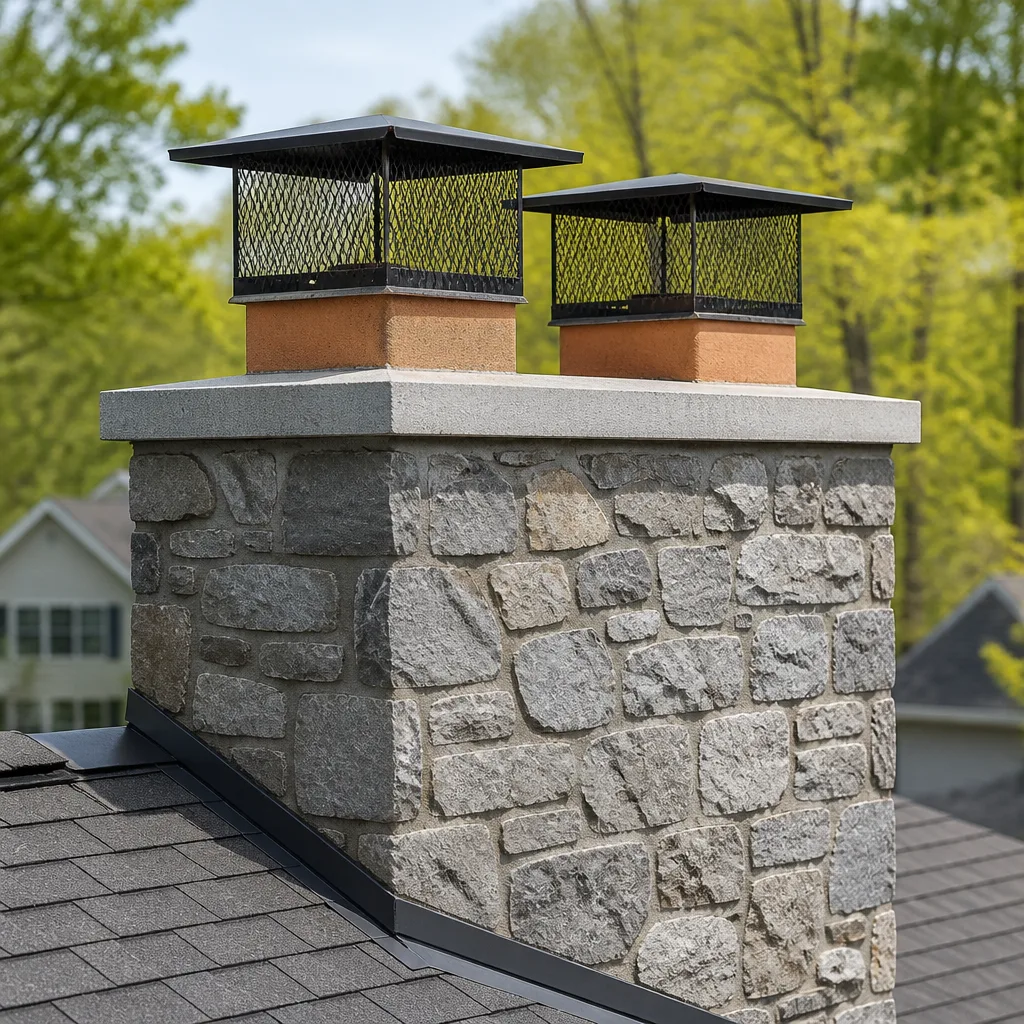 Caps & crowns
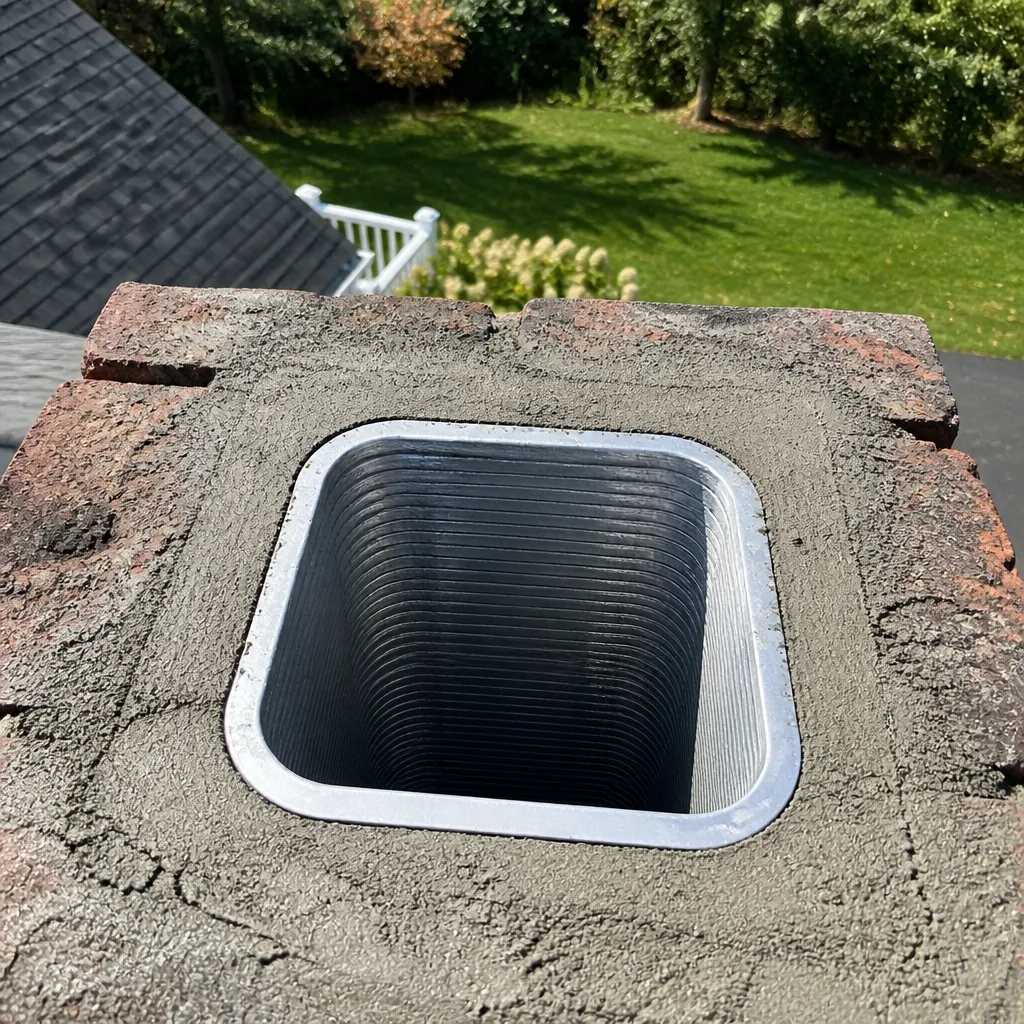 Flue relining
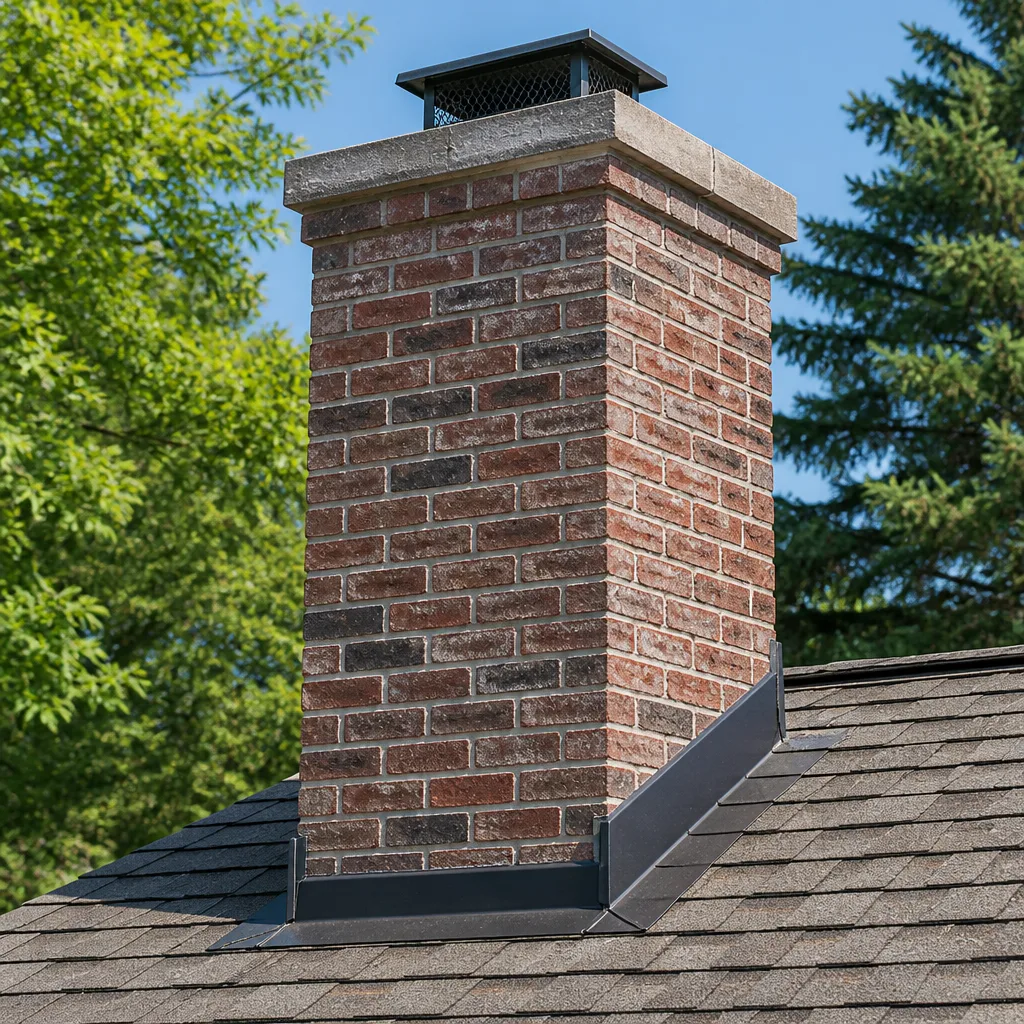 Masonry repair
 Gas fireplace service
Level 1 sweep and inspection to the NFPA 211 annual standard - flue, crown, cap, and flashing checked and photographed
Chimney sweep logs do not sweep chimneys. They loosen some creosote - which then falls where a brush and vacuum still have to collect it.
How to Hire a Chimney Cleaning Contractor in Seven Hills: A Step-by-Step Guide
Most homeowners hire a chimney sweep the same way they pick a pizza place: they call the first number that comes up and hope for the best. That works for dinner. It does not work for the one system in your house that routes fire, smoke, and carbon monoxide out of your living room. The chimney service market around Seven Hills and the rest of the Front Range is wide, ranging from certified specialists who carry cameras and drop cloths to general handymen who added “chimney sweep” to a service list and show up with a shop vac. The gap between those two kinds of operators directly affects whether a cleaning actually lowers your fire risk or just looks like it did. This guide walks you through verifying credentials in real time, the five questions that separate a technician from a price-shopper, what a real inspection report contains, and how to write a service agreement with no ambiguity at job completion.
Quick Answer
Hiring a chimney cleaning contractor in Seven Hills comes down to verifying three things before you book: current certification through the Chimney Safety Institute of America (CSIA) or membership in the National Chimney Sweep Guild (NCSG), a written inspection report with photo evidence rather than a verbal sales pitch, and a clear written scope of work that defines what “cleaning” includes. Verify the certification number yourself on the CSIA database, get the scope in writing, and walk away from any quote that skips the camera inspection or pushes liner work before you’ve seen the evidence.
Styles & brands we work with
- Sweep & inspection
- Caps & crowns
- Flue relining
- Masonry repair
- Gas fireplace service
Table of Contents
- Why Chimney Credentials Matter More Than the Quote
- How to Verify CSIA and NCSG Credentials in Real Time
- The Five Questions to Ask During a Phone Quote
- What a Legitimate Written Inspection Report Contains
- Red Flags Specific to Low-Bid Chimney Operators
- How to Structure a Service Agreement That Defines “Cleaning”
- What Seven Hills Homeowners Should Know About Local Chimney Conditions
Why Chimney Credentials Matter More Than the Quote
A cleaning is a technical procedure, not a chore. The person standing on your roof needs to know the difference between creosote buildup that brushes out and glazed creosote that has bonded to the flue wall and needs chemical treatment or relining. They need to recognize a cracked crown, a spalling brick, a flue tile with a hairline fracture, and a cap that’s missing its screen. None of that knowledge shows up in a price.
That’s why the credentials come first and the quote comes second. CSIA certification is not a test you pass once and forget. It requires documented training, a written exam, and continuing education to maintain. NCSG membership runs alongside it as a signal of professional engagement with the trade. An operator with neither may still do competent work, but you have no way to verify that from the outside, and you’re the one holding the risk.
Seven Hills sits along the Front Range corridor, where winters are cold enough that fireplaces see real seasonal use and the freeze-thaw cycle stresses masonry year after year. That combination means chimney systems in this area don’t just accumulate soot. They accumulate small structural problems that a trained eye catches and an untrained one misses. On a chimney sweep in Seven Hills, the difference between a certified technician and a generalist is often whether you learn about a failing crown before it becomes a liner problem.
Full-service coverage matters here too. When an operator only cleans, any problem they find becomes a referral, and referrals have a way of getting lost between companies. A specialist who handles inspection, sweep, and repair under one roof keeps the accountability in one place. We work in that model because it’s the only one where the person diagnosing the issue is also the person you can call back if the fix doesn’t hold.
How to Verify CSIA and NCSG Credentials in Real Time
Verification takes about thirty seconds and almost nobody does it. Here’s the process, step by step.
- Ask for the certification number. Any CSIA-certified sweep has one and should give it to you without hesitation. If they say “I’m certified but I don’t have the number handy,” that’s not a certification you can confirm.
- Look it up on the CSIA database. The CSIA maintains a public searchable list. Type the number or the company name in and confirm the status, the name on the certification, and whether it’s current.
- Cross-check NCSG membership. The National Chimney Sweep Guild lists member companies. Membership isn’t a substitute for certification, but the two together tell you the operator is engaged with the professional community, not just paying for a logo on a website.
- Confirm the person coming to your house. Certification belongs to an individual, not a company. If the company is certified but sends an uncertified helper to do the work alone, the credential doesn’t apply to your job. Ask who will actually perform the sweep.
- Request proof of insurance in writing. A legitimate operator carries liability coverage and can produce a certificate. This protects your home if something goes wrong on the roof or in the flue.
We’ve seen homeowners skip every one of these steps because the operator had a professional-looking website and a clean quote. Website design is not a credential. The CSIA database is. Take the thirty seconds.
The Five Questions to Ask During a Phone Quote
The phone call is where you separate a knowledgeable technician from a price-shopper. A price-shopper quotes a number before asking a single question about your system. A technician asks about the chimney before quoting anything. Here are the five questions that reveal which one you’re talking to.
- “Do you camera-inspect the flue before sweeping?” The answer should be yes, every time. You can’t sweep what you haven’t seen, and you can’t diagnose a flue you’ve only looked at from the top and bottom openings. An operator without a camera is guessing.
- “How do you handle creosote removal?” A knowledgeable technician distinguishes between the three degrees of creosote and explains that glazed, third-degree buildup doesn’t come off with a standard brush. A price-shopper just says “we sweep it.”
- “Will I get a written report, and does it include photos?” The answer should be an unqualified yes. A verbal walkthrough is not a report.
- “What’s included in a standard cleaning?” You’re listening for: full flue length, firebox, smoke chamber, damper, cap inspection, and debris removal. If the answer is vague, the scope is vague, and vague scope is where completion disputes come from.
- “What happens if you find a problem? Does the price change?” A straight answer here tells you whether the quote is a flat price or a starting point that balloons once they’re on the roof. You want a written estimate that sets the final price before work begins.
If a caller answers all five cleanly and asks you questions back, you’re likely dealing with someone who does this work seriously. If they answer in one-word sentences and steer toward a booking, slow down. The questions cost nothing and the answers tell you a great deal.
What a Legitimate Written Inspection Report Contains
A legitimate inspection report is a document, not a conversation. It should describe the condition of your chimney from the firebox to the crown, and it should include photos you can look at yourself. At minimum, expect these elements.
- A description of the flue interior with photo evidence of the liner, joints, and any offset or transition.
- The degree of creosote present in the flue, described specifically rather than as “some buildup.”
- The condition of the firebox, damper, smoke chamber, and smoke shelf.
- An assessment of the crown, cap, and flashing, including any visible water intrusion or masonry damage.
- A clear statement of what needs addressing now vs. what can wait, with the reasoning for each.
- A written scope of any recommended work with a price, not a range that changes later.
The report is also where you find out whether anything urgent exists at all. We’ve seen plenty of inspections where the honest answer is “clean it, cap it, and call us in a year.” We’ve also seen cracked crowns that let water into the chase every storm season, where waiting turns a modest repair into a liner replacement. The report tells you which situation you’re in, and the photos let you verify it.
If the operator finishes the sweep and hands you a verbal list of problems with a sales pitch attached, ask for the written version. If they can’t produce one, that’s the answer to whether they do proper inspections.
Red Flags Specific to Low-Bid Chimney Operators
Low-bid operators tend to share the same visible tells, and once you know them you can spot them before the ladder comes off the truck. Watch for these.
- No camera. A sweep without a flue camera cannot inspect your liner. They can clean what they can reach and inspect what they can see, which is not the same job.
- No drop cloths or containment. A proper sweep protects your floors and furniture before the brush goes in. If they show up with nothing but a shop vac and a ladder, expect soot in places you didn’t know soot could reach.
- No written scope of work. If you can’t read what “cleaning” includes before they start, you can’t confirm what they did when they finish.
- A quote far below the market. We’re not going to tell you what a fair price is for every job, because it depends on the flue. But a quote that’s dramatically lower than every other quote you’ve received usually means something was left out of the scope, and you’ll find out what on your own.
- Liner work recommended before you’ve seen the inspection. The conversation should be “here’s the evidence, here’s the recommendation,” not “you need a liner, sign here.” We won’t recommend a repair you can’t verify with your own eyes.
- No verifiable certification or insurance. If they can’t produce a CSIA number or an insurance certificate, the low bid is buying you the operator’s risk at your own expense.
How to Structure a Service Agreement That Defines “Cleaning”
The single most common source of complaint after a chimney cleaning is ambiguity about what “cleaning” means. You thought the flue was included. They thought the firebox was the job. Get it in writing before the work starts, and define each of these.
- Flue length. The agreement should state that the full flue, from the damper to the top opening, is swept. “Cleaning” that stops partway up the flue is not cleaning.
- Liner inspection. The agreement should specify that the flue is camera-inspected before and after the sweep, with photos included in the report.
- Debris removal. State where the debris goes: bagged and removed from the property, or left in a container for you to dispose of. Don’t assume.
- Components covered. Firebox, damper, smoke chamber, smoke shelf, cap, and crown should each be listed as either cleaned, inspected, or excluded.
- Completion criteria. Define what “done” looks like. A sweep is complete when the flue is free of brushable creosote, the debris is removed, and the written report is delivered.
- What happens if a problem is found. State in the agreement that any recommended repair comes with a separate written estimate and won’t be performed without your written approval.
A specialist can write this agreement without difficulty because the scope is standard to the trade. A generalist who added chimney services to the menu often can’t, and the vagueness shows up in the contract before it shows up on your roof.
What Seven Hills Homeowners Should Know About Local Chimney Conditions
Chimney systems in and around Seven Hills face the same regional pressures as the rest of the Front Range: cold winters with heavy seasonal fireplace use, and a freeze-thaw cycle that repeatedly expands and contracts the masonry. That cycle is what turns a minor crack in the crown into a path for water, and water intrusion is the leading cause of serious chimney damage in this climate.
Homeowners in the Seven Hills area should pay particular attention to the cap and crown because they’re the entry points water uses first. A missing or damaged cap screen lets birds and debris into the flue; a cracked crown lets water into the masonry on every storm. Both are straightforward to fix when caught early and expensive to reverse when they’re not. Our chimney cap & crown services exist precisely because these two components sit at the front line of water damage.
When repairs are needed, the materials matter as much as the workmanship. We work with professional-grade brands including DuraFlex flexible liner systems for relining, HeatShield for liner resurfacing, and Gelco, Olympia Chimney, Famco, and Copperfield for caps, crowns, and structural components. These are the materials certified chimney professionals use nationwide. We specify them because they hold up over time, and because using them means the repair has a warranty conversation attached to it that a discount material can’t support.
HeatShield in particular is worth understanding. It’s a liner resurfacing system that restores deteriorated flues without full replacement in many cases, and it’s not available through general home-service companies. We use it because it extends the service life of a chimney that would otherwise need a full reline. And for flues that do need relining, DuraFlex flexible liner systems are the durable option we recommend for older or damaged chimneys.
If you want a fireplace repair or full system assessment in Seven Hills, the inspection comes first. You can’t sweep what you haven’t seen, and you can’t fix what hasn’t been diagnosed.
Common Mistakes to Avoid
- Booking on price alone. A cheap cleaning that misses half the flue is not cheaper, it’s incomplete. The price should follow the scope, not the other way around.
- Skipping the CSIA lookup. It takes thirty seconds and it’s the single best filter available. A website claim means nothing you can verify; a database entry does.
- Accepting a verbal inspection report. If there’s no written document with photos, the inspection didn’t produce anything you can check or keep. Ask for the version you can read.
- Approving liner work before seeing the evidence. A recommendation without a photo report is a sales pitch. Ask to see what the camera saw.
- Not asking who actually does the work. The certified name on the website may not be the person on your roof. Ask, and get the answer in writing.
- Letting the crown go unaddressed. In the Seven Hills climate, a cracked crown lets water in every storm season. Fixing it while it’s small is far cheaper than fixing what it damages.
- Ignoring the cap screen. A missing screen lets animals and debris into the flue, which creates blockages and draft problems that show up as smoke in your living room.
See the difference
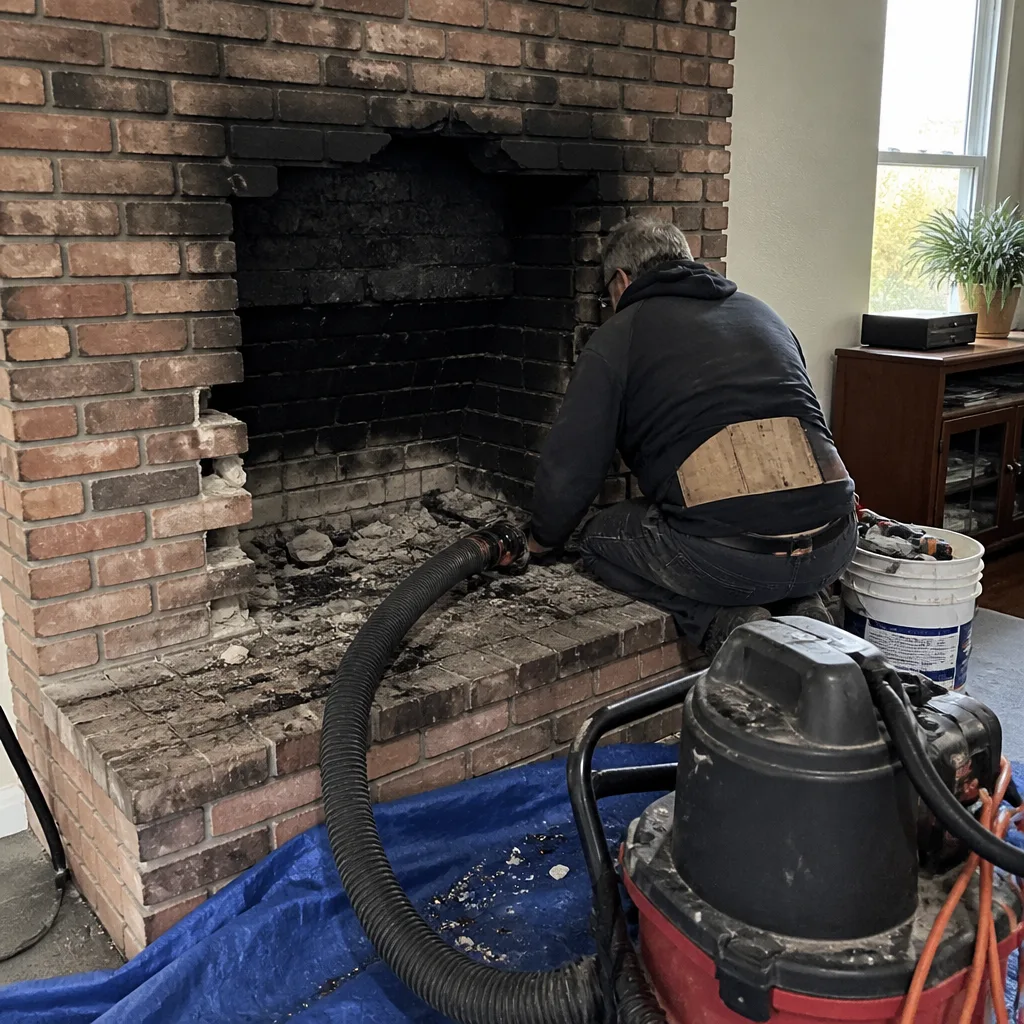 Before
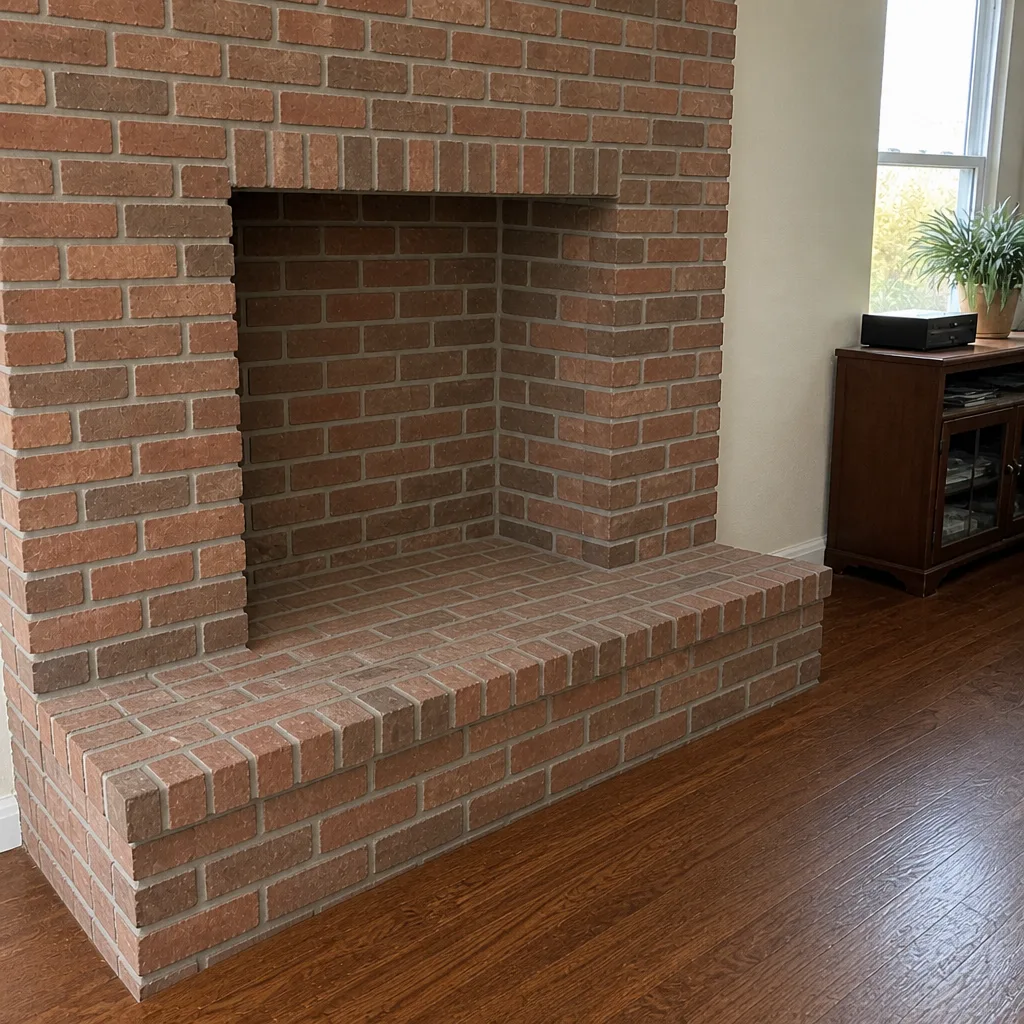 After
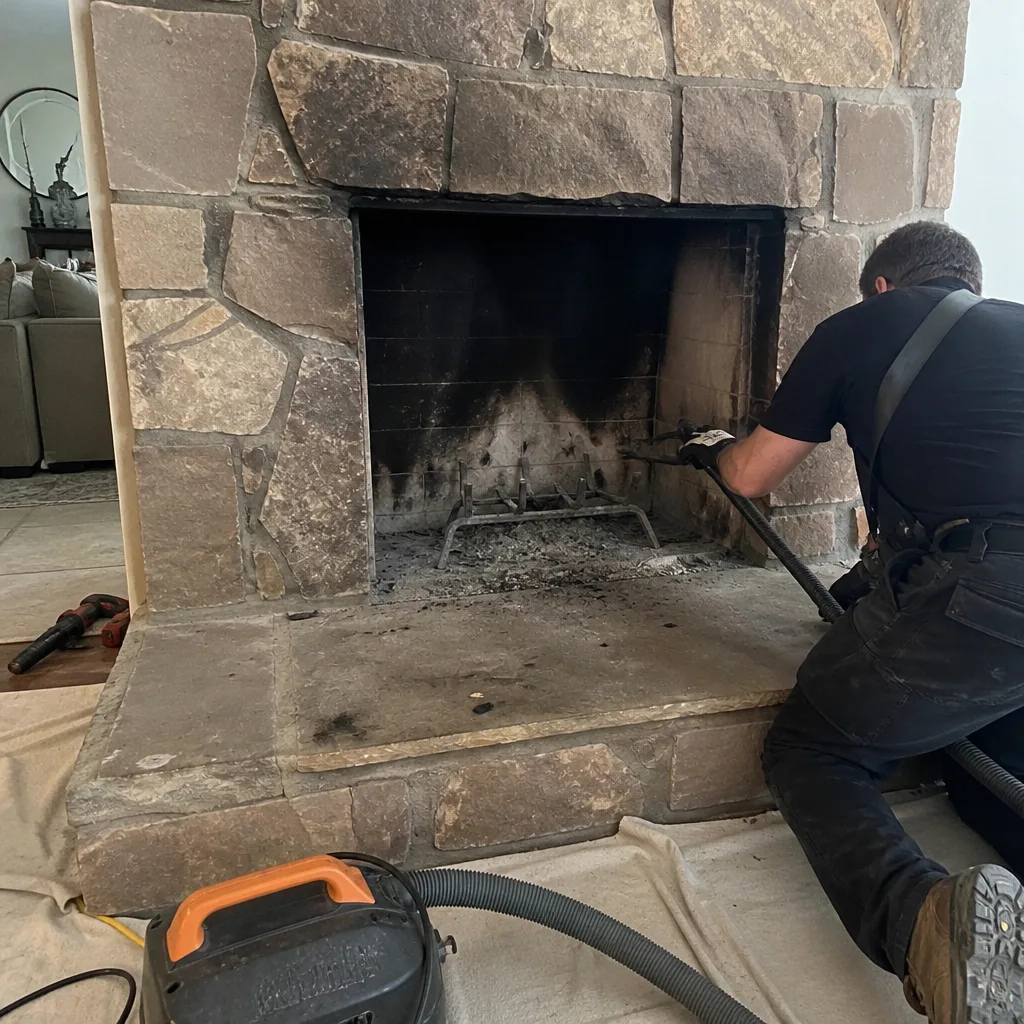 Before
 After
 Before
 After
When to Call a Professional
Some situations call for a professional without delay. If you’ve never had your chimney inspected, start there; the first inspection establishes a baseline you can compare against each year. If you’ve noticed smoke rolling back into the room when you light a fire, poor draft, or a smell of creosote in warm weather, those are signs the flue needs attention. If you’ve seen visible damage to the crown, cap, or masonry, call before the next storm season. If your fireplace hasn’t been swept in a year of regular use, book a sweep before the heating season begins. And if a chimney fire has ever occurred, even if it went out on its own, get a full inspection before you light another fire. Chimney Sweep Seven Hills offers free estimates in Seven Hills. Call (866) 937-8581. We answer 24/7. Fast dispatch from 7am to 7pm, Sunday through Friday.
Frequently Asked Questions
The price is set per job by a written estimate, because chimney configurations vary enough that a flat quote would be guessing. The estimate is free, and the written estimate sets the final price before any work begins. Call (866) 937-8581 for an exact quote. We answer 24/7, with fast dispatch from 7am to 7pm, Sunday through Friday.
Only if the inspection shows evidence that the existing liner can’t safely contain the flue gases and heat. A proper inspection with a flue camera tells you what the liner actually looks like inside, and any recommendation comes with photos you can see for yourself. We won’t recommend a liner replacement you can’t verify, and we won’t recommend one that can wait. Call (866) 937-8581 to book the inspection.
Once a year for most wood-burning fireplaces in regular seasonal use, and more often if you burn heavily or use unseasoned wood. The annual inspection is the more important item, because it tells you whether the sweep is needed and catches small structural problems before they become repairs. Call (866) 937-8581 to schedule.
Two things. Creosote accumulates past the brushable range and becomes harder to remove, and small structural issues like hairline flue cracks or a failing crown go unnoticed until water or heat turns them into significant repairs. Skipping a year is rarely catastrophic, but skipping several in a row means the next inspection finds more than it would have. Call (866) 937-8581 to book an inspection.
Yes. Ask for the CSIA certification number and look it up on the CSIA database, which is publicly searchable. The lookup takes about thirty seconds. If the number isn’t current or the operator can’t produce one, that’s your answer. Call (866) 937-8581 if you’d like to book a CSIA-credentialed technician.
A sweep cleans the flue. A full-service specialist cleans, inspects with a camera, delivers a written photo report, and handles any repairs that come up without a handoff to another company. Full-service matters because the person who diagnosed the problem is also the person accountable for the fix. Call (866) 937-8581 to book a full-service inspection and sweep.
The Bottom Line
The credential gap in the chimney market matters more than any other factor when you’re hiring. Verify CSIA certification through the public database, confirm the operator carries a flue camera and drop cloths, demand a written inspection report with photos, and get the scope of the cleaning defined in writing before the work begins. Walk away from any quote that recommends liner or structural work before you’ve seen the inspection evidence, and treat a dramatically low bid as a question to ask, not a deal to take. If you’re in Seven Hills and want a specialist who does inspection, sweep, cap and crown, fireplace repair, and structural repair under one company, with professional-grade materials throughout, reach out to Chimney Sweep Seven Hills.
For a free estimate and honest assessment, call (866) 937-8581. We answer 24/7. Fast dispatch from 7am to 7pm, Sunday through Friday. Our technicians have up to 10 years of experience, and our chimney sweep service always begins with the inspection. You can start with the chimney sweep in Seven Hills page for the full picture of what we do.
Written by the team at Chimney Sweep Seven Hills.