
Last updated November 23, 2026
 Sweep & inspection
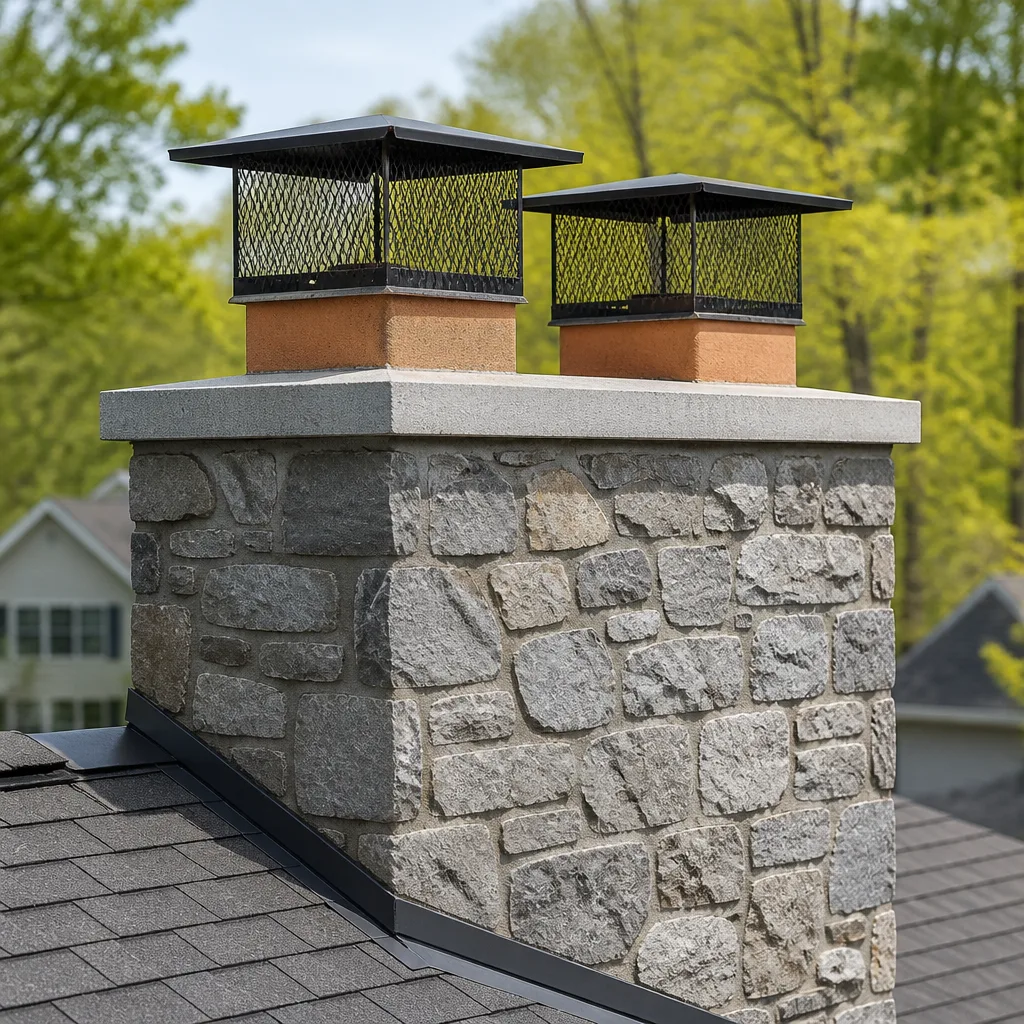 Caps & crowns
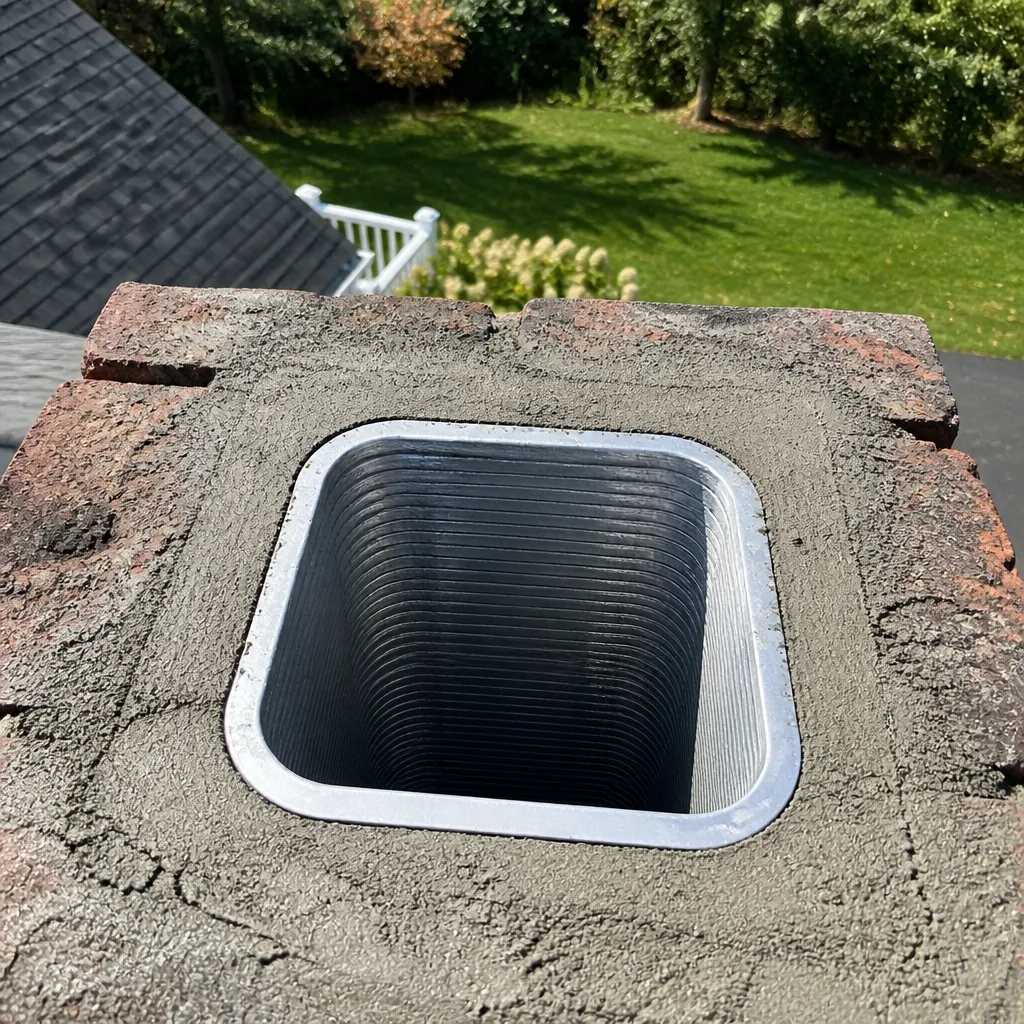 Flue relining
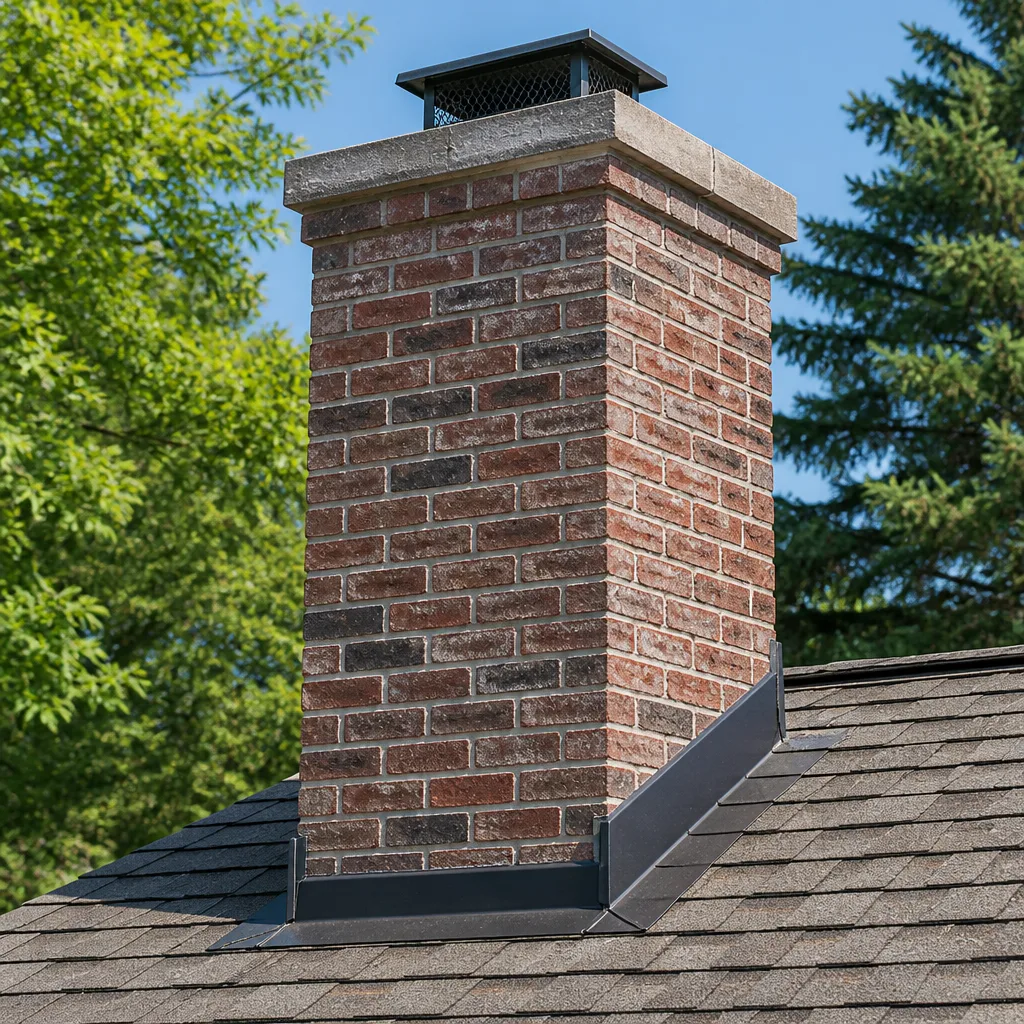 Masonry repair
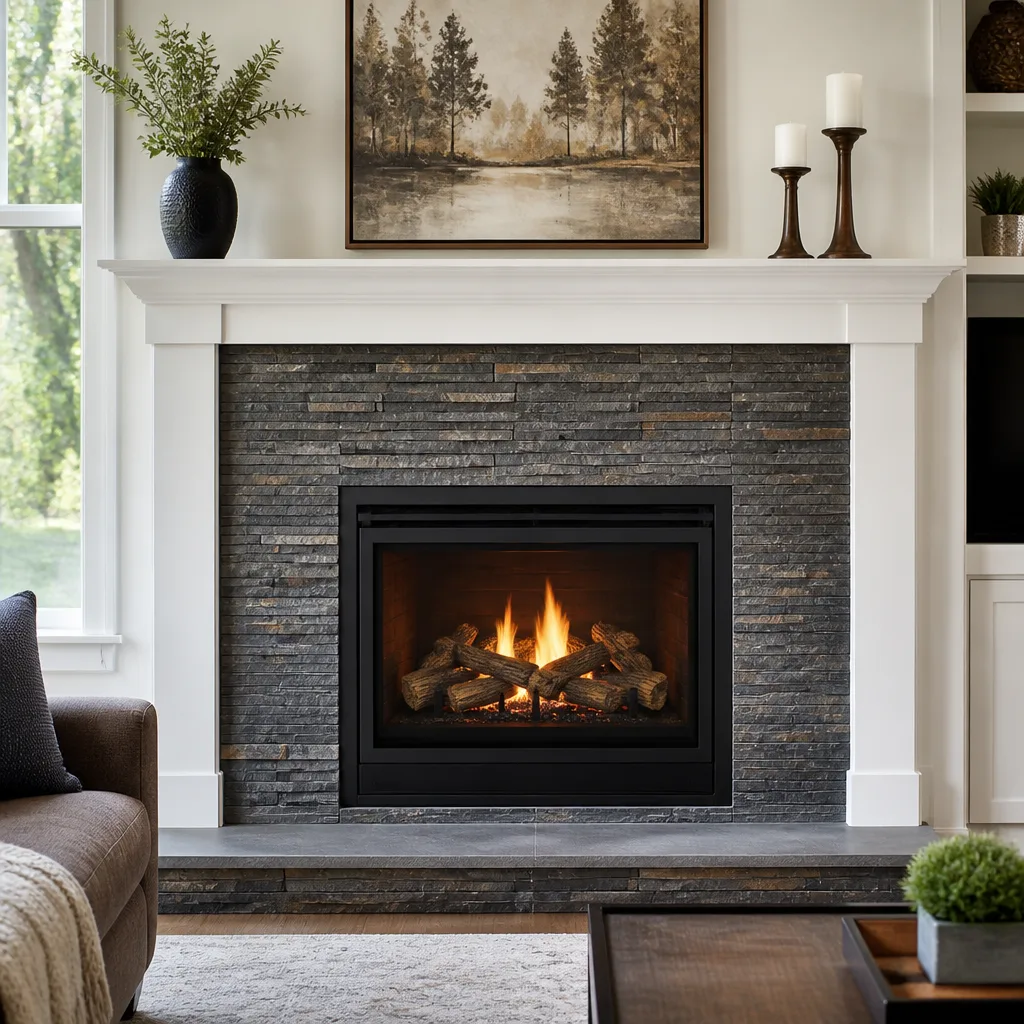 Gas fireplace service
Level 1 sweep and inspection to the NFPA 211 annual standard - flue, crown, cap, and flashing checked and photographed
Chimney sweep logs do not sweep chimneys. They loosen some creosote - which then falls where a brush and vacuum still have to collect it.
Chimney Cleaning Emergency Preparedness Guide for Seven Hills Homes
A chimney fire doesn’t always sound like a roar. Many burn slowly and quietly inside the flue for hours, and by the time a homeowner notices heat radiating from the wall, the liner may already be compromised. That quiet version is the one that catches people off guard, because the mental picture most of us carry is loud and dramatic, and the reality is often a low rumble, a smell, or nothing you can hear at all. This guide walks through the patterns chimney emergencies follow in Seven Hills, the response sequence to have ready before anything goes wrong, and how to document an event so an insurance claim holds up. You’ll learn how to recognize an active fire, why a fire that seems to put itself out still needs a stop-use and an inspection, and what a Level III inspection actually involves when the stakes are high.
Quick Answer
If you suspect an active chimney fire in a Seven Hills home: get everyone out, call 911, and never put water on a hot flue. After the fire department clears the scene, stop using the chimney and book a professional inspection before you light another fire. Any chimney fire, even one that appeared to self-extinguish, can compromise the liner, and a Level III inspection is the correct next step when a fire or a breach is suspected.
Styles & brands we work with
- Sweep & inspection
- Caps & crowns
- Flue relining
- Masonry repair
- Gas fireplace service
Table of Contents
- How do you recognize an active chimney fire?
- The correct immediate response sequence
- Self-extinguished vs. liner-breaching fires
- Carbon monoxide risks specific to chimney systems
- What to tell the fire department and your insurer
- Post-emergency inspection: what a Level III involves
- Building a preparedness plan for your Seven Hills home
- Seasonal patterns and cold-weather draft failures
How do you recognize an active chimney fire?
An active chimney fire shows itself through sound, smell, and visible signs, and the three rarely arrive together in a tidy package. Some fires announce themselves with a deep roaring or a rhythmic whooshing, almost like a train passing at a distance. Others give you a smell first: a sharp, acrid creosote odor that doesn’t clear when you open a window. The fact that symptoms vary so much is exactly why homeowners who have rehearsed the possibilities in advance respond better than those reading the situation cold.
Here’s what to watch and listen for inside a Seven Hills home:
- Sound: a low rumble, a crackling that continues long after the fire is damped down, or a sucking, roaring noise from the flue.
- Smell: a pungent, tar-like creosote smell indoors, or a hot metallic odor that lingers.
- Visible outside: thick smoke or sparks exiting the top of the chimney, or flames visible from the crown.
- Visible inside: the stovepipe or chimney breast glowing, discolored paint on a connector pipe, or heat radiating from the wall near the flue.
- Behavioral: the fire pulls harder than usual, or smoke backs into the room despite a normally strong draft.
The wall-heat sign is the one to take most seriously. In our experience, when a homeowner can feel warmth radiating from the chimney breast where there was none before, the fire has been burning inside the flue for a while, and the liner is the component under load. A seven-hills home with a masonry chase along an exterior wall can mask that heat for a long time before it shows on the inside face.
What not to do when you suspect a fire
Water on a hot flue is the single most damaging reaction. The sudden temperature drop can crack fireclay liners and masonry. Close the stove or fireplace doors and the air controls if you can do so safely, get out, and let the fire department handle it.
What is the correct immediate response sequence?
The correct response sequence is: evacuate, call 911, and do not attempt to fight a chimney fire yourself. Everything else comes after the fire department has cleared the scene. Having this sequence memorized matters more than having a fire extinguisher within reach, because a chimney fire burns inside a flue you can’t reach with a handheld extinguisher anyway.
Here’s the step-by-step order we recommend every Seven Hills homeowner commits to memory:
- Get everyone out of the house and account for each person at the meeting point.
- Call 911. Tell them you suspect a chimney fire and give your address clearly.
- Close the fireplace doors or stove door and the air controls only if you can do it without lingering. This starves the fire of oxygen, but your safety comes first.
- Do not put water on the fire. Water on a hot flue can crack the liner and masonry.
- Wait for the fire department and don’t re-enter until they’ve cleared the building.
- Stop using the chimney completely after the event, even if the fire appears to be out.
- Book a professional inspection before you light another fire.
One piece of context worth adding: not every chimney event results in visible flame. Slow-burning fires can smolder for hours before the fire department arrives. If you smell creosote strongly, feel heat on the wall, or hear a persistent rumble and you can’t identify the source, treat it as an active fire and follow the sequence. You can’t sweep what you haven’t seen, and you can’t diagnose a fire you haven’t witnessed, so let the professionals confirm what happened.
What’s the difference between a self-extinguishing fire and one that breaches the liner?
A self-extinguishing chimney fire starves itself of oxygen and goes out on its own; a liner-breaching fire burns hot enough or long enough to crack the flue, warp a metal liner, or compromise the chimney’s structure. The critical point: both require a stop-use and a professional inspection before the next fire, because whether a fire self-extinguished or breached the liner can’t be known from the living room.
Here’s how the two typically differ:
- Self-extinguishing fires usually stay confined to the creosote layer, burn out within minutes, and leave surface evidence: dark staining, cracked creosote, or a light ash residue.
- Liner-breaching fires often cause visible damage that can be seen from inside a firebox or from the crown: cracked fireclay tiles, warped metal liners, spalling masonry, or heat-discolored metal components.
Here’s the part that matters most. A fire that self-extinguishes can still have caused what an inspector refers to as a “hidden breach”: a hairline crack in a fireclay tile or a gap at a joist that opens up after the fire cools and the materials contract. That hidden breach is the reason both types land in the same place: a stop-use and a professional inspection. If you’re unsure which you had, treat it as the more serious of the two until a technician confirms otherwise. Our chimney sweep technicians read fire damage the way a mechanic reads engine wear: the surface signs tell you what happened deeper in the system.
In a Seven Hills home, materials matter. A fireclay-tile flue that cracked may take a restoration system like HeatShield to resurface it, while a prefabricated metal chimney may need a DuraFlex flexible liner if the original has warped. Those aren’t interchangeable calls. The inspection determines which path the repair takes, and it’s why we treat the inspection as the starting point rather than an upsell.
What carbon monoxide risks are specific to chimney systems?
Carbon monoxide risk in a chimney system comes from three places: a blocked flue, backdrafting, and partial blockages that worsen in cold weather. All three starve the fire of a clean exhaust path, and the result is combustion gases entering the living space instead of exiting through the chimney. CO is colorless and odorless, so the signs are often physical (headaches, dizziness, nausea) rather than visual.
Here’s how each risk develops:
- Blocked flue: a bird nest, a collapsed tile, or heavy creosote buildup narrows the flue and forces exhaust back into the room.
- Backdrafting: the chimney can’t pull because of pressure differences between the house and the outdoors, common when a house is tightly sealed in winter or a kitchen exhaust fan is running.
- Partial blockages in cold weather: a partially blocked flue can pull well enough on a mild day and fail on a cold one, which is why a chimney that works in October can fail in January.
Seven Hills winters are the pressure test for a marginal chimney. A flue that drafts adequately in the fall often doesn’t once the house seals up tight, and that’s when backdrafting shows up as headaches or a smoky smell rather than obvious smoke. If anyone in the house reports headaches, dizziness, or nausea when the fire is burning, stop using the fireplace and air the house out immediately, then book an inspection. A working carbon monoxide alarm on every level, tested on a regular schedule, is the baseline defense, and it’s a cheap one.
We recommend a chimney inspection alongside any CO alarm activation, and a draft check before the first cold snap each year. Our fireplace repair technicians also address draft failures caused by door gaskets, damper problems, and firebox cracks that let air enter where it shouldn’t.
What should you tell the fire department and your insurer after a chimney event?
Tell the fire department what you observed, when you first noticed the smell or sound, whether you closed the air controls, and whether anyone felt lightheaded. Tell your insurer what happened, when, what was burning, and what the fire department reported. Documentation protects the claim, and the quality of your documentation matters more than the quality of your memory, so write it down while it’s fresh.
Here’s what to collect and keep:
- The fire department’s incident or run report if one exists, plus the name of the responding officer or chief.
- Your own timeline: when you first noticed something, what you did, and when responders arrived.
- Photographs of the firebox, the crown, the interior wall, and any exterior visible damage, taken after the fire department clears the scene.
- The inspection report from your chimney professional, including any photographs and findings.
- Receipts and estimates for repair work, itemized.
Here’s the framing worth committing to: an insurance adjuster works off evidence, and “the chimney felt hot” is a weak claim compared to a documented Level III inspection with photos and a written narrative. We recommend photographing before any cleanup happens, because the soot pattern and charring on the firebox and the staining around the crown tell the inspector and the insurer a great deal about how hot the fire burned. A camera inspection and a photo report are part of every inspection we do, and they become the evidence a claim relies on.
One more piece of advance prep: check your homeowner’s policy now, before anything happens, so you know whether chimney fire damage is covered and what documentation your insurer expects. That is a five-minute call with your agent that saves weeks later.
What does a Level III inspection involve, and when is it the only appropriate next step?
A Level III inspection is the most thorough of the three inspection levels, and it’s the only appropriate next step after a suspected chimney fire, a known breach, or an event that compromised the chimney’s structure. It goes beyond the visual checks of a Level I or Level II inspection by examining concealed areas of the chimney, which generally means accessing spaces behind walls or above the roofline where necessary.
Here’s what a Level III inspection typically covers:
- Concealed areas: parts of the chimney and flue that aren’t visible during a normal sweep, which may require removing interior or exterior finishes to access.
- Full flue assessment: a camera inspection of the entire flue run, from the top of the chimney to the firebox, with a photo report.
- Structural review: the crown, the cap, the mortar joints, and the chase itself are checked for cracking, spalling, or water damage.
- Component condition: firebox, damper, liner system, and connectors are all evaluated together, because chimney components fail as a system rather than one at a time.
When a fire has happened, a Level I (visual walk-through) or Level II (camera-assisted) inspection often isn’t enough, because the breach may sit in a hidden area. The Level III is the tool that finds it. If the inspection uncovers a compromised liner, options include a HeatShield resurfacing for a fireclay flue that can be restored, or a DuraFlex flexible liner for a flue that needs a full relining. We use both systems because they serve different conditions, and the inspection determines which the job calls for.
The Level III inspection is where documentation and diagnosis meet. If you’re going through an insurance claim, the written report is what the adjuster will read, and photographs of concealed damage are the currency of a well-supported claim.
How do you build a chimney emergency preparedness plan for a Seven Hills home?
You build a chimney emergency preparedness plan by rehearsing the response sequence, documenting your system’s current condition, and doing the maintenance that prevents the emergency in the first place. Preparedness is a set of small habits, not a kit you buy, and the habits are what separate a homeowner who handles an event calmly from one reacting from scratch.
Here’s the preparedness plan we recommend:
- Memorize the evacuation and 911 sequence and walk it through with everyone in the household.
- Install and test carbon monoxide alarms on every level, and replace the batteries on a set schedule.
- Book an annual sweep and inspection before the burning season, and keep the written report.
- Know your chimney’s components: liner type, cap, crown, and damper condition, all documented from your last inspection.
- Keep an emergency folder with the inspection report, insurance policy details, and a phone number for your chimney professional.
- Have the chimney cap and crown checked each year, since a cracked crown lets water in every storm season and water damage is the slow emergency that gets missed.
The cap and crown deserve their own line here, because they’re the most common entry point for water. A cracked crown lets water in every storm season, and water that freezes and thaws inside the chimney can spall masonry and destabilize the lined structure over time. Our chimney cap & crown work is built around closing those entry points before they become structural repairs.
One more preparedness item: a written estimate. Every repair we do starts with a written estimate and the final price is set by that document, so there aren’t surprises when the work is done. Call (866) 937-8581 for a free estimate. We answer 24/7. Fast dispatch from 7am to 7pm, Sunday through Friday.
Seasonal patterns and cold-weather draft failures in Seven Hills
Cold weather doesn’t cause chimney problems so much as it exposes them. A flue that drafts well enough in October can fail in January when the house seals up tight and the pressure differences between indoors and outdoors grow. This is why the seasonal rhythm of chimney care in Seven Hills matters: the inspection you do in early fall is preparation, and the draft failure you notice in deep winter is the system telling you something was already marginal.
Here’s the seasonal pattern we see:
- Early fall: time to sweep and inspect, before the first burn of the season. A clean flue drafts better and gives you a baseline.
- Late fall and early winter: the first cold snaps expose drafting problems and backdrafting, especially in tightly sealed homes.
- Deep winter: creosote accumulates fastest when the fire burns low and slow, and the chimney’s draft is under the most pressure.
- Spring: the time to inspect for winter damage, including freeze-thaw spalling and crown cracks.
Seven Hills sits in a climate where freeze-thaw cycling is hard on masonry chimneys, and the crown cracking you find in spring often started in winter. The pattern to watch: a chimney that drafts fine in October and then produces smoke or headaches in January is a chimney that was already marginal and is now telling you so. Treat that signal as a maintenance call, not an emergency, and get on the schedule before it becomes one. Preparedness includes the ordinary things done on a schedule, not just the emergency response.
Common Mistakes to Avoid
- Putting water on a chimney fire. Water on a hot flue can crack the liner and masonry, and it’s the single most damaging reaction. Close the doors and get out.
- Assuming a fire that went out is fine. A self-extinguished fire can still leave a hidden breach, so both outcomes need a stop-use and a professional inspection.
- Skipping the inspection because the chimney “still works.” You can’t sweep what you haven’t seen, and a chimney that drafts in fall can fail in winter. The inspection is the starting point, not the upsell.
- Waiting for symptoms before acting on CO. A carbon monoxide alarm that has been disabled or had its battery pulled is the most common CO mistake we hear about. Keep the alarm tested and working.
- Hiring a general contractor for chimney repair. Chimney systems are their own field, and general contractors often don’t carry the systems designed for them. A specialty approach uses HeatShield or DuraFlex for the liner condition actually found, not a generic patch.
- Skipping the cap and crown check. A cracked crown lets water in every storm season, and water damage compounds until the repair becomes structural.
- Not documenting an event. Photographs, the fire department’s report, and the inspection report are the evidence a claim rests on. Cleanup before documentation weakens the claim.
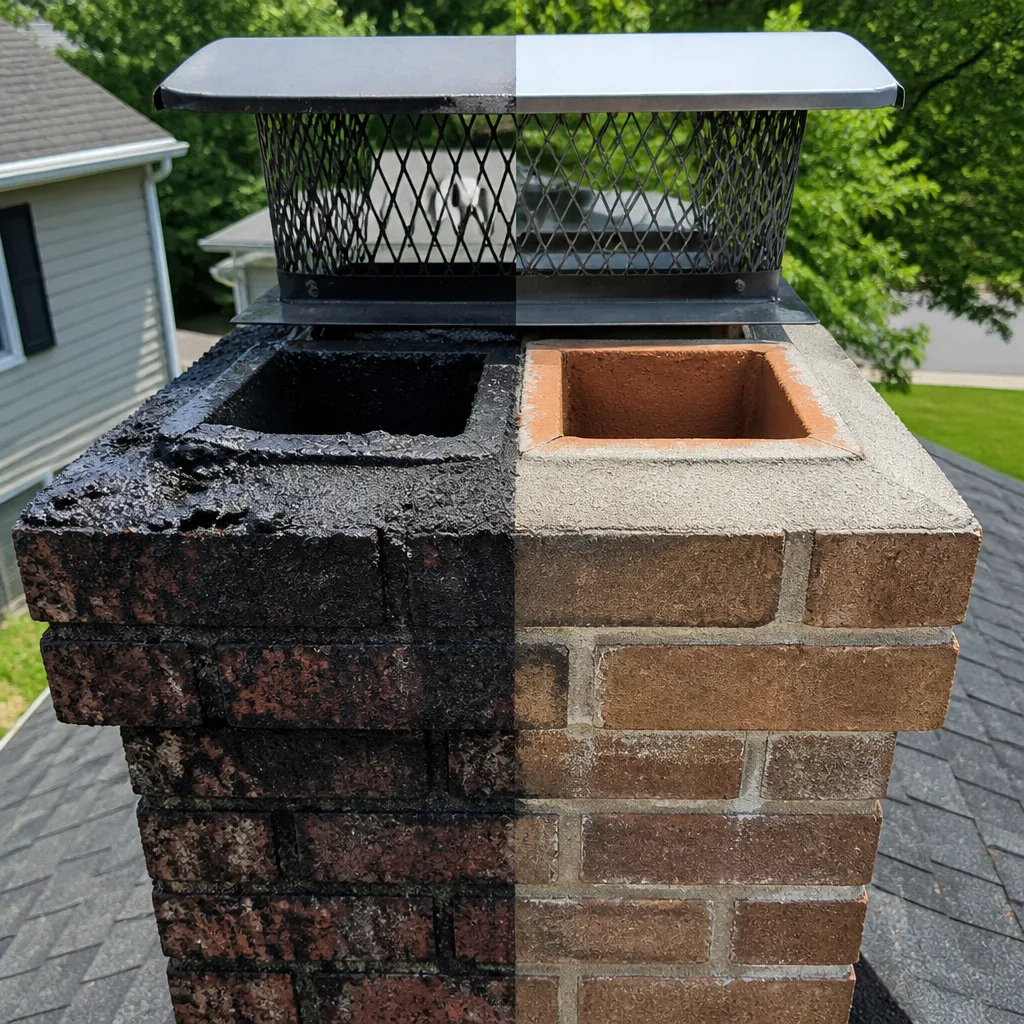
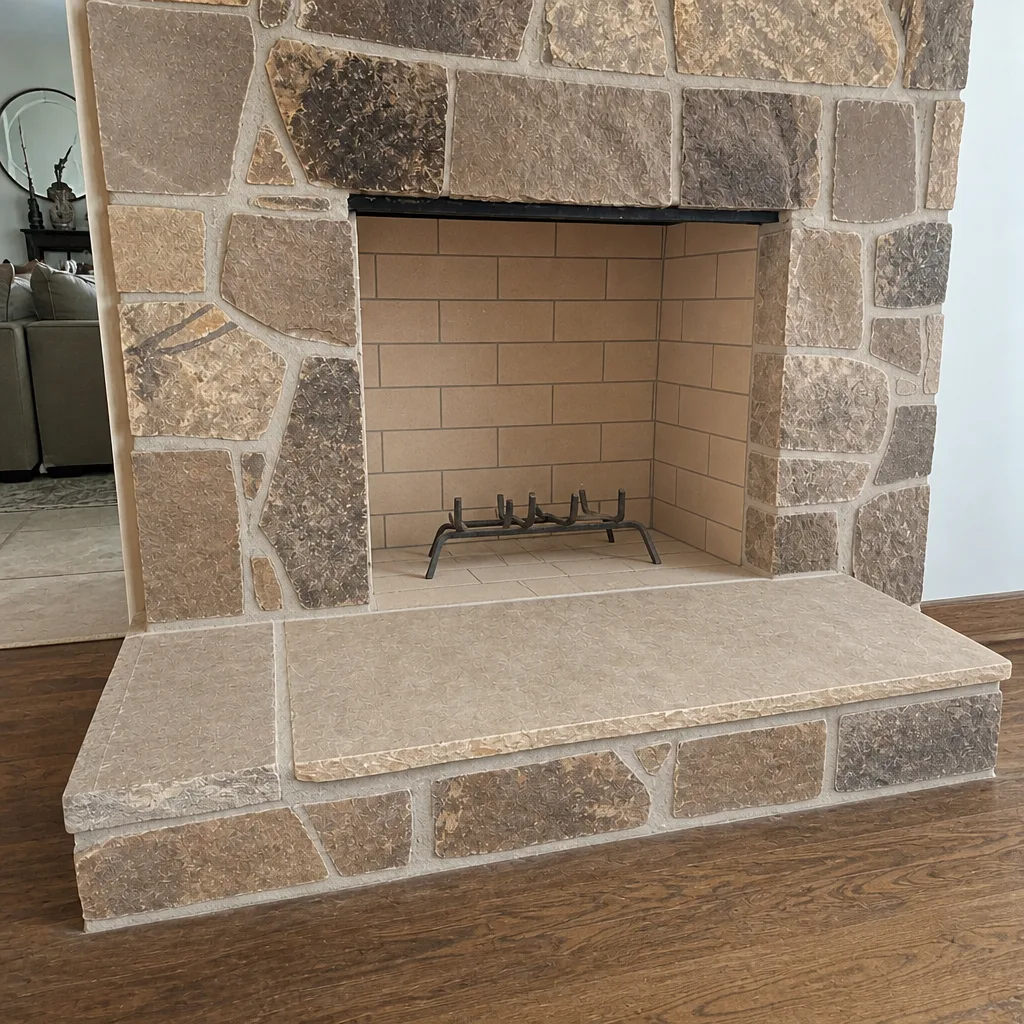
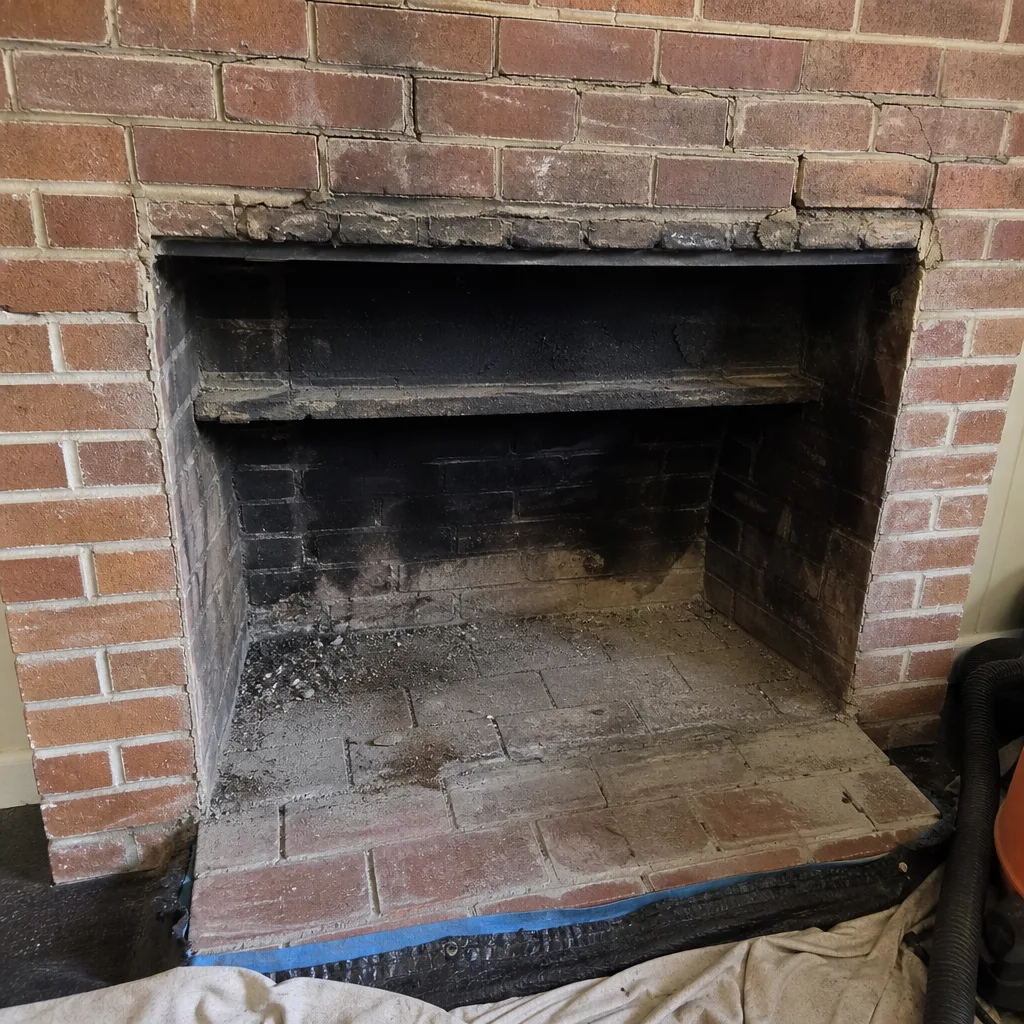
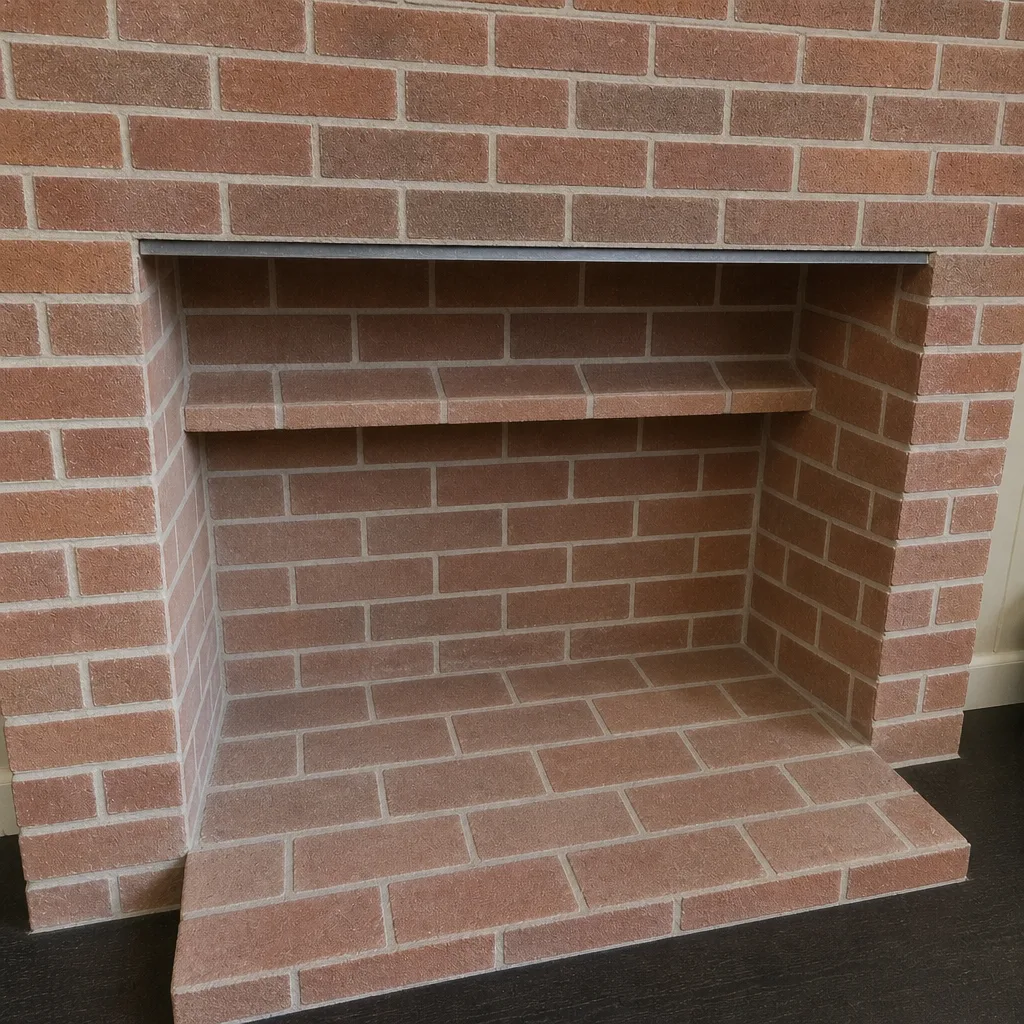
See the difference
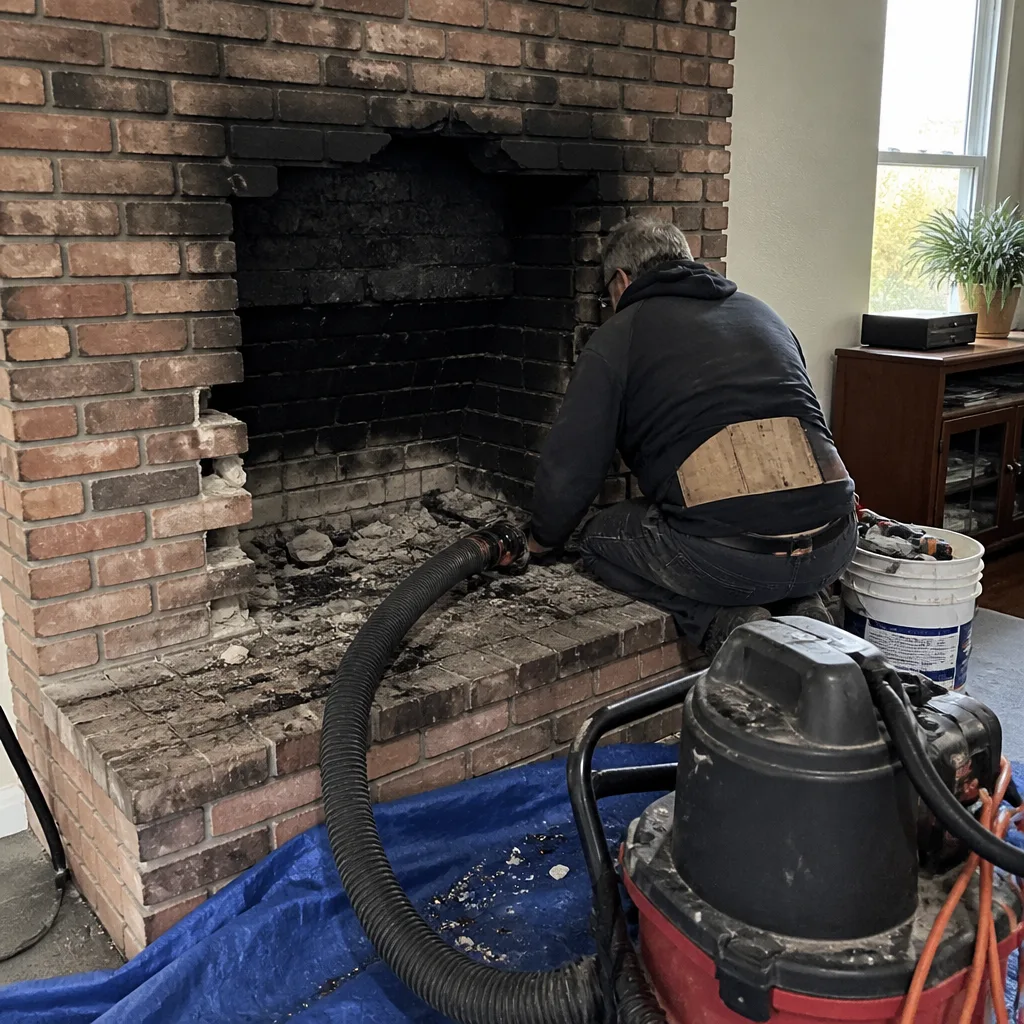 Before
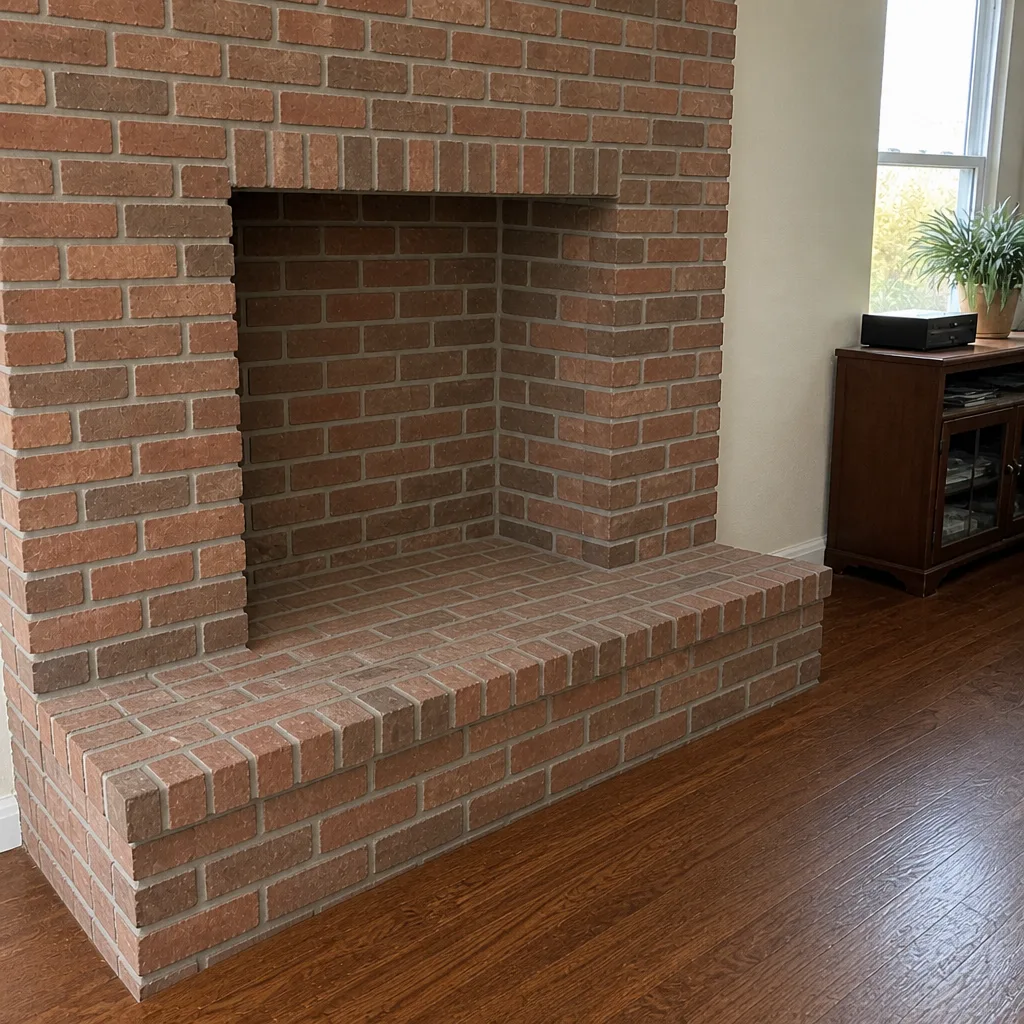 After
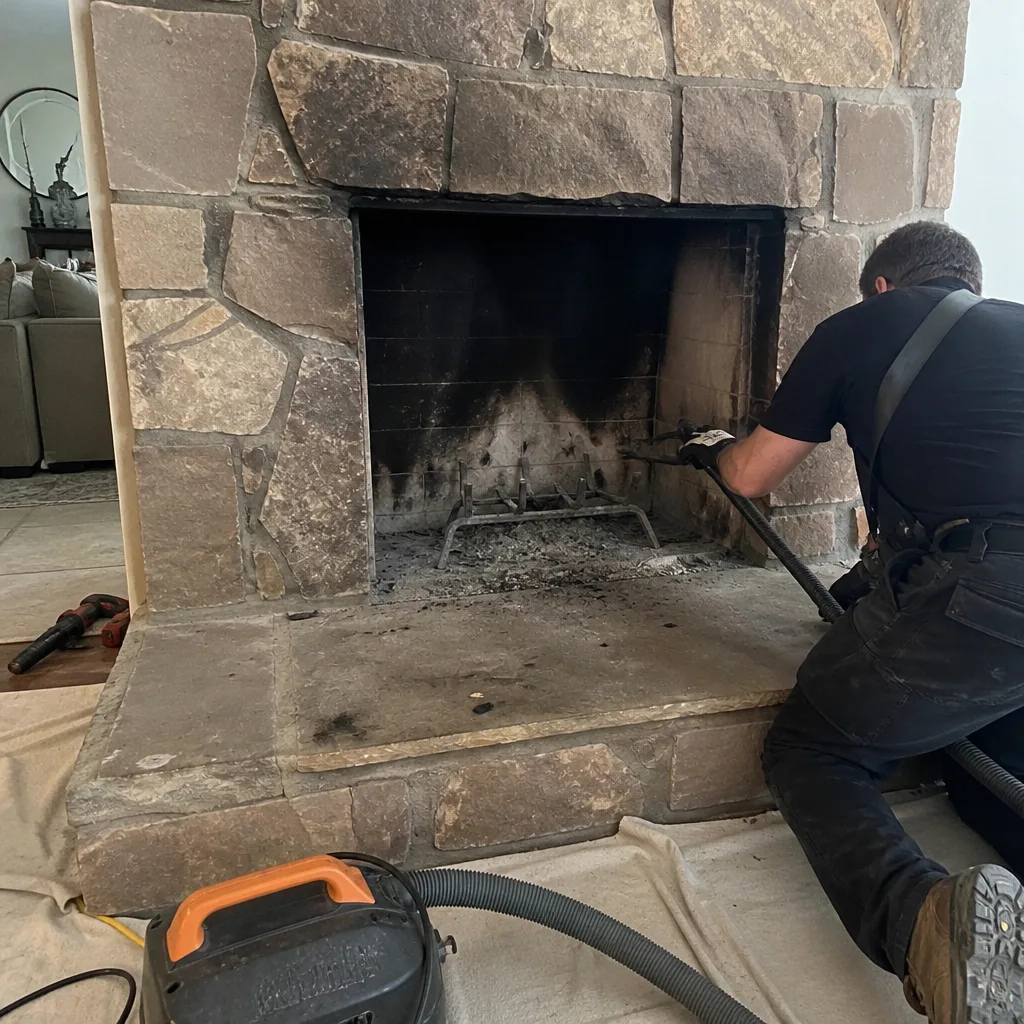 Before
 After
 Before
 After
When to Call a Professional
Call a professional after any suspected chimney fire, even one that seemed to self-extinguish. Call when anyone in the house reports headaches, dizziness, or nausea when the fire is burning. Call when the fireplace or stove produces smoke indoors despite a normally strong draft, or when heat radiates from the wall near the flue. Call when the crown is cracked, the cap is missing, or water has entered the chimney. Call when you’ve never had the chimney inspected and you don’t know its condition. These aren’t situations to work through on your own. Our technicians have up to 10 years of experience reading exactly these signals, and a camera inspection and photo report are part of every inspection we do, so you can see what we see. Chimney Sweep Seven Hills offers free estimates in Seven Hills. Call (866) 937-8581. We answer 24/7. Fast dispatch from 7am to 7pm, Sunday through Friday. Request a Chimney Sweep Seven Hills inspection and get on a schedule before the next burning season.
Frequently Asked Questions
Chimney fires are most often caused by accumulated creosote igniting in the flue, and the leading prevention is regular sweeping and inspection before the burning season. A clean flue with no cracks in the liner and a functioning crown is a chimney that isn’t at risk of a creosote fire. Call (866) 937-8581 for an exact quote on a sweep and inspection. Estimates are free.
Yes. A self-extinguished fire can still leave a hidden breach in the liner or a crack in the fireclay tile, which is why both outcomes require a stop-use and a professional inspection. The fire going out doesn’t tell you the chimney is safe to use. Call (866) 937-8581 to book the inspection. Estimates are free.
Get everyone out of the house, call 911 from outside, and don’t re-enter until the fire department clears the building. After the scene is cleared, stop using the fireplace and book a chimney inspection to find the cause, which is often a blocked or partially blocked flue, backdrafting, or a crack in the firebox. Call (866) 937-8581 once you’ve been cleared to return. We answer 24/7. Fast dispatch from 7am to 7pm, Sunday through Friday.
A Level III inspection is generally the right next step after a suspected fire or breach because it examines concealed areas that Level I and Level II inspections can’t reach. If the fire may have compromised the liner or the chimney’s structure, a Level I walk-through won’t find the hidden damage. Call (866) 937-8581 to arrange an inspection. Estimates are free.
Coverage depends on your policy, and the answer varies by insurer and policy terms, so the time to find out is before an event. What you can do now is check your policy and keep documentation ready: photographs, the fire department’s report, and the inspection report. After an event, that documentation is what supports the claim. Call (866) 937-8581 for an inspection that produces a written report you can use. Estimates are free.
Most wood-burning chimneys should be swept and inspected annually, and more often if the fire is burned low and slow or the chimney sees heavy use. A chimney that hasn’t been inspected in a year or more should be inspected before the next burning season. Call (866) 937-8581 to schedule a sweep and inspection. Estimates are free.
The Bottom Line
Chimney emergencies in Seven Hills follow predictable patterns, and homeowners who rehearse the response sequence in advance handle them better than those reacting from scratch. The core sequence is simple: evacuate, call 911, never put water on a hot flue. After any event, self-extinguished or not, stop using the chimney and book a professional inspection, because both outcomes can hide a breach. A Level III inspection is the only appropriate next step when a fire or a breach is suspected, and its written report, alongside photographs and the fire department’s documentation, is what protects an insurance claim. Get a carbon monoxide alarm tested, a cap and crown checked, and an annual sweep and inspection on the schedule. Preparedness is the maintenance you do on the ordinary days, and that’s what keeps the emergency from happening at all.
When you’re ready to schedule an inspection or a sweep, or you have a chimney event that needs a documented assessment, call (866) 937-8581 for a free estimate. We answer 24/7. Fast dispatch from 7am to 7pm, Sunday through Friday.
Written by the team at Chimney Sweep Seven Hills.