
Last updated November 23, 2026
 Sweep & inspection
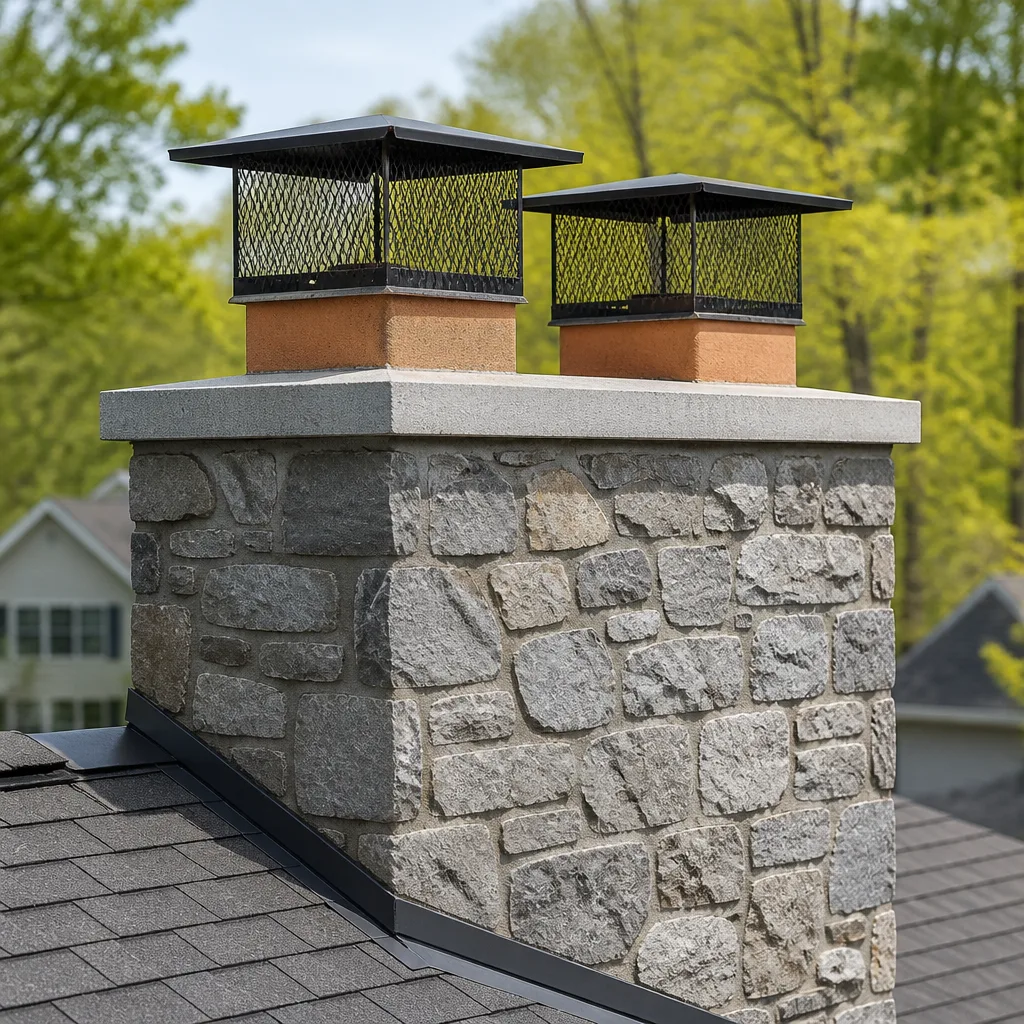 Caps & crowns
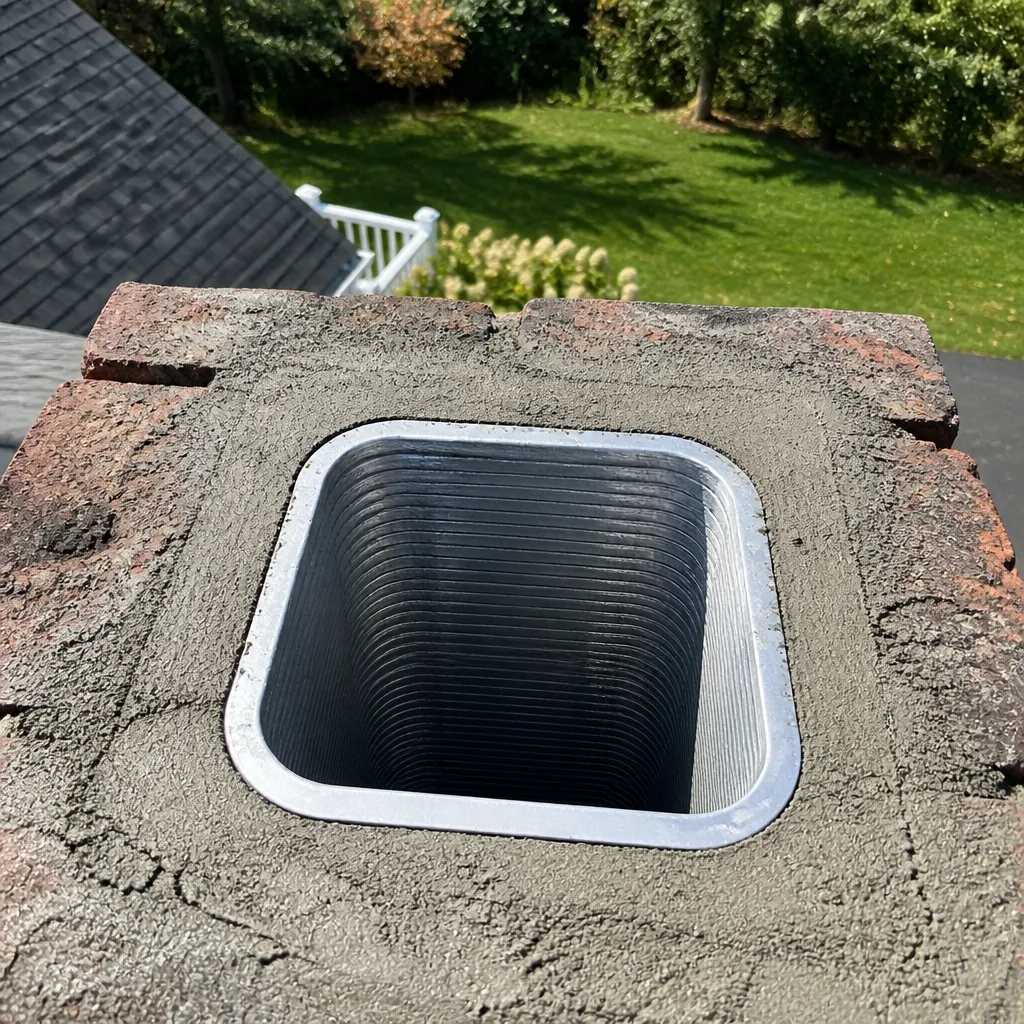 Flue relining
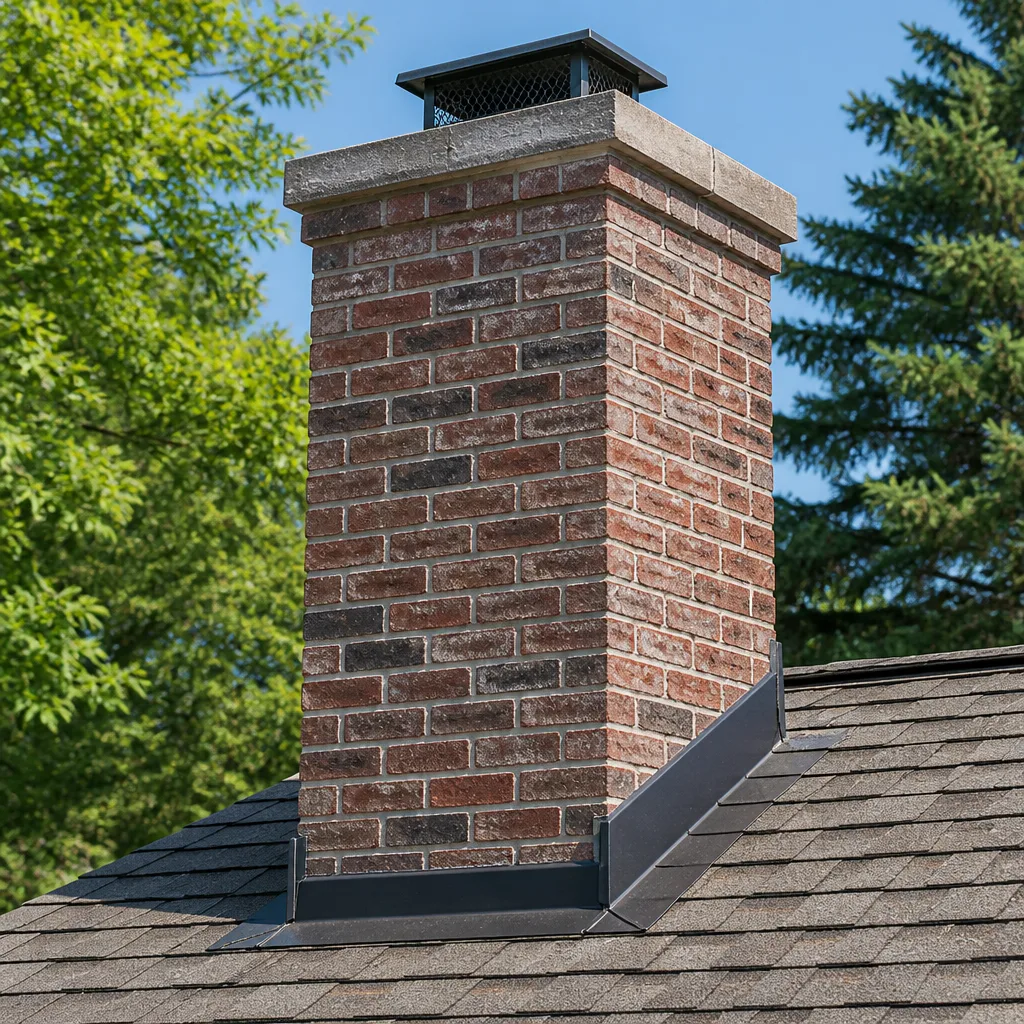 Masonry repair
 Gas fireplace service
Level 1 sweep and inspection to the NFPA 211 annual standard - flue, crown, cap, and flashing checked and photographed
Chimney sweep logs do not sweep chimneys. They loosen some creosote - which then falls where a brush and vacuum still have to collect it.
Seasonal Chimney Cleaning Care for Seven Hills: Year-Round Homeowner’s Guide
Most chimney fires don’t happen in the dead of December. They happen in October and November, on the first cold night someone lights a fire in a flue that’s been sitting untouched since spring. Creosote glazed onto the walls over a winter of burning, a bird’s nest or leaf pack from summer, a crown that cracked in a freeze-thaw cycle and let water down into the masonry: none of that announces itself until there’s a fire in the box. Chimney care in Seven Hills isn’t four identical seasons of the same checklist. The stresses shift from freeze-thaw to UV to sudden heating demand, and this guide walks through what each phase actually does to a chimney system and what deserves attention when.
Quick Answer
Year-round chimney care in Seven Hills means cleaning and inspecting before the burning season (late August to mid-September, earlier than most national guides suggest), catching moisture and pest problems in spring before summer, protecting the crown and cap through summer UV and thermal expansion, and watching for a second creosote load if you burn heavily from November through February. The system’s biggest risk is the off-season, when it sits unused and unnoticed. A sweep booked before the first fire is worth more than any number of calls after.
Styles & brands we work with
- Sweep & inspection
- Caps & crowns
- Flue relining
- Masonry repair
- Gas fireplace service
Table of Contents
- Why chimney care in Seven Hills isn’t the same job all year
- Spring: what to do after the last fire
- Summer: moisture, pests, and UV on an idle chimney
- The optimal cleaning window: late August to mid-September
- Winter: burning season and the second-sweep question
- Weather windows for repair materials
- What a seasonal sweep actually involves
- Common mistakes to avoid
Why Chimney Care in Seven Hills Isn’t the Same Job All Year
A chimney is a system, and its components fail together. The flue, the crown, the cap, the masonry, and the firebox all respond to the same weather in different ways. In Seven Hills, the seasons put pressure on different parts of that system, and each phase of the year asks something different of a homeowner.
Late winter and early spring bring repeated freeze-thaw cycles. Water gets into small cracks in the masonry or crown during a warm afternoon, freezes overnight, expands, and widens the crack a fraction. Do that across a season and a hairline becomes a real opening. Summer looks harmless because there’s no fire in the box, but the chimney is still working: sun bakes the crown, thermal expansion works on joints, and moisture that found its way in during spring has all summer to sit against brick and mortar.
Fall is the pivot. Heating demand comes on fast, sometimes within a week or two of the first genuinely cold night, and that’s when accumulated creosote meets its first spark. Winter is steady burn season, and creosote builds in layers with every fire.
We think of it as four phases, not four seasons:
- Post-season assessment (spring): what the winter left behind.
- Dormant protection (summer): keeping moisture and pests out while nothing’s burning.
- Pre-season readiness (late August to mid-September): the sweep and inspection that has to happen before the first fire.
- In-season management (winter): monitoring creosote load and the second-sweep question.
Treating these as one long task, or skipping the middle two, is how a chimney gets to October with problems it didn’t need. Our Chimney Sweep Seven Hills team structures its year this way because it matches what the local climate actually does.
Spring: What to Do After the Last Fire
Spring is the recovery phase. The winter’s burning season is over, and the chimney has just been through its heaviest use plus several months of freeze-thaw. This is the moment to assess and protect, before summer has a chance to make anything worse.
The post-season checklist:
- Inspect the cap. A cap takes the brunt of weather, and a loose or damaged one is the easiest way for rain, snow, and animals to get in. Check that it’s secure and that the mesh and louvers are intact.
- Look at the crown. The crown is the concrete or mortar surface at the top of the chimney that sheds water away from the flue. A cracked crown lets water in every storm season, and spring is when those cracks are fresh and visible.
- Check for waterproofing. Masonry is porous. A water-repellent treatment on the brick and mortar helps keep moisture out through summer rain and the next freeze-thaw cycle.
- Test the draft. A draft test confirms the flue is pulling correctly and that nothing has blocked it over the winter. A weak draft is an early sign of a blockage or damage.
- Note any creosote buildup you saw during the season so the fall sweep can plan for it.
Spring is also when a lot of fireplace repair gets scheduled, simply because the firebox isn’t in use and there’s no rush to get it back online. A cracked firebox brick, a damaged damper, or a worn mortar joint in the firebox is far easier to deal with in April than in November. None of that work competes with a burning season.
The single most valuable spring task is the one that prevents a summer problem: getting the crown and cap into shape before the wet season and the heat. Water damage is the slow killer of chimneys, and it almost always starts at the top.
Summer: Moisture, Pests, and UV on an Idle Chimney
Summer is the season most homeowners assume is a break. It isn’t. A chimney that isn’t burning is still exposed to everything the weather throws at it, and several of the year’s more damaging processes happen while the fireplace is cold.
Moisture intrusion
Any water that found a way in during spring, through a cracked crown, a failed cap, or porous masonry, sits inside the structure all summer. Moisture trapped against brick and mortar softens mortar joints and, over time, can lead to spalling, where the face of a brick flakes away. The freeze-thaw of the following winter makes it worse. Summer is when you want the structure dry, and that means keeping water out in the first place.
Pest entry
An open or damaged flue is an ideal home. Birds, squirrels, and other animals find their way into chimney tops regularly, and a cap is the first line of defense. A cap that’s missing, loose, or damaged is an open invitation. Nesting material and debris also narrow the flue, which affects draft and creates a fire risk when the fire is lit again in fall.
UV and thermal expansion on the crown
Summer sun bakes the crown and the top of the chimney all day. The crown expands and contracts with temperature swings, and small cracks widen. This is slow, cumulative damage, and the crown is the most common entry point for water on the whole system. Protecting it through summer is far cheaper than repairing the damage it lets in.
A chimney cap and crown check in early summer is a low-effort task with a high payoff. If you haven’t had yours looked at, our chimney cap & crown work addresses exactly these entry points before they become structural repairs.
The Optimal Cleaning Window: Late August to Mid-September
Most national chimney-care guides suggest cleaning sometime in the fall. In Seven Hills, “fall” is too vague. The right window is late August to mid-September, a few weeks earlier than the generic advice, and here’s why.
Heating demand in Seven Hills can arrive quickly. The first genuinely cold night often comes before people expect it, and when it does, the fireplace goes on. If the sweep is booked for “some time in October,” there’s a real chance the first fire happens in a flue that hasn’t been cleaned. Booking the sweep for late August to mid-September gives a comfortable buffer before the season starts, and it also catches the accumulation from the previous winter plus any summer debris (leaf packs, nesting material) in one visit.
The pre-season sweep is the most important service call of the year, and it works like this:
- Inspection first. You can’t sweep what you haven’t seen. The technician inspects the flue, firebox, damper, crown, and cap to understand the system’s condition.
- Cleaning. The flue is swept of creosote and debris, and the firebox and smoke chamber are cleaned.
- Assessment of buildup. The technician notes how much creosote came out and what stage it’s in, which tells you how heavily you burned and how much to expect next season.
- Report and recommendations. Anything found during inspection (a hairline crack, a loose cap, a needed repair) is flagged before the season starts, when there’s time to schedule it.
Booking the chimney sweep early also means avoiding the September-October rush, when everyone who waited realizes the first fire is coming. In our experience, the homeowners who book in late summer have a calmer fall than the ones calling in a panic the week the temperature drops.
Winter: Burning Season and the Second-Sweep Question
Winter is when the system earns its keep, and it’s also when creosote builds in layers with every fire. How much accumulates depends on how you burn, what you burn, and how often. A household that has a fire most evenings from November through February will build more creosote than one that lights up on special occasions.
The question we hear most in winter is whether a mid-season cleaning is warranted. The answer depends on the system and how heavily it’s used, but there are clear signals that a second sweep is worth a call:
- Heavy burning. If you’re burning most days from November through February, the flue is accumulating creosote steadily and may need a mid-season look.
- Visible glazed creosote. Glazed, shiny creosote is the more combustible stage and burns hotter. If you can see it, it needs attention.
- Reduced draft. If the fire is smoking back into the room or the draft feels weaker than it did in early winter, something may be restricting the flue.
- Unseasoned wood. Burning green or wet wood produces more creosote than dry, seasoned wood. If your wood supply has been damp, buildup will be faster.
- A chimney fire or suspected chimney fire. Any chimney fire, even a small one, means the flue needs inspection before the next fire.
A mid-season sweep is a judgment call, and the honest professional answer is to inspect and then decide. If the inspection says the buildup is still modest, the sweep can wait for spring. If the inspection says it’s heavy, the second sweep is warranted. We answer 24/7 for calls about a sudden draft problem or a suspected chimney fire. Fast dispatch from 7am to 7pm, Sunday through Friday; a call outside dispatch hours is booked into the next opening.
Weather Windows for Repair Materials
Not every chimney repair can be done in every kind of weather. The materials used in crown coatings, masonry repair, and waterproofing have application requirements, and applying them outside those conditions means a coating that doesn’t cure or bond properly, and a repair that doesn’t last. This is a phase most guides skip, and it matters.
Broadly, the conditions that affect these repairs:
- Temperature. Masonry coatings, crown coatings, and mortars have a temperature range they’re designed to cure in. Too cold and they won’t set properly; they may cure slowly, crack, or fail to bond.
- Moisture and humidity. Most coatings and repair materials don’t want to be applied to a wet surface or in high humidity, because the moisture interferes with curing. A dry surface and moderate humidity give a better result.
- Rain in the forecast. Fresh coatings need a window to cure before rain hits them. A repairable surface should be protected until it’s set.
- Freeze risk. Once the overnight temperature can drop to freezing, the window for exterior masonry work narrows considerably.
In Seven Hills, that means the reliable window for exterior crown and masonry work is the warmer part of the year, late spring through early fall, when surfaces are dry and temperatures are steady. Spring is a good time to schedule this work because it’s ahead of summer’s heat and well before the first freeze. If a crown repair is needed, the smart move is to get it scheduled in that window rather than waiting until late fall and hoping for a mild spell.
We use materials chosen for their track record in these conditions. HeatShield is a resurfacing system for restoring a damaged or deteriorated liner from the inside, and DuraFlex flexible liner systems are a durable relining option for older or damaged flues. Both hold up better than the quick-fix approaches, and both are the kind of material a specialist wants to work with. If you want the work done in the right season with the right materials, call (866) 937-8581 for a free estimate.
What a Seasonal Sweep Actually Involves
A seasonal sweep isn’t just brushing the flue. It’s a review of the whole system at a moment when its condition tells you the most, and it’s the visit that sets the tone for the season.
What a technician covers in a seasonal sweep:
- Flue and smoke chamber cleaning. The flue is swept of creosote and debris, and the smoke chamber and firebox are cleaned.
- Creosote assessment. The technician identifies how much creosote is present and at what stage, because that tells you how the system is burning and how much to expect next season.
- Visual inspection of the flue. The condition of the flue is checked for cracks, gaps, or deterioration.
- Crown and cap check. The top of the chimney is where water gets in, so the crown and cap are inspected for damage.
- Firebox and damper check. The firebox, damper, and other interior components are reviewed for condition and function.
- Report. The findings are reported to the homeowner, and anything that needs attention is identified before the season starts.
The order matters. Inspection comes first, because the condition of the system determines what the cleaning and the recommendations should be. You can’t sweep what you haven’t seen, and a sweep that skips the inspection is only doing half the job.
The materials used in this work matter too. We work with professional-grade chimney brands because they hold up over time: HeatShield for liner resurfacing, DuraFlex for flexible relining, Gelco and Olympia Chimney for components and accessories. When a repair is needed, the choice of material is as important as the workmanship. A sweep reveals the condition; the materials determine how long the fix lasts.
Common Mistakes to Avoid
Most chimney problems we see are preventable, and the same handful of mistakes show up again and again.
- Waiting until December to book the sweep. The first cold night in Seven Hills often comes before the sweep is booked, and by the time the fire is lit, the flue hasn’t been cleaned. Book in late August or mid-September for a comfortable buffer.
- Skipping the summer check entirely. Summer is when moisture, pests, and UV do their work. An idle chimney still needs attention, and a crown or cap problem caught in summer is a cheap fix compared to the structural repair it can become.
- Treating the crown as cosmetic. A cracked crown lets water in every storm season, and the damage is cumulative. It’s one of the most common entry points for water on the whole system.
- Burning unseasoned wood. Wet or green wood produces more creosote, which builds faster and needs a second sweep sooner. Dry, seasoned wood burns cleaner and builds less.
- Applying coatings in the wrong weather. Crown coatings and masonry repairs need dry surfaces, moderate temperatures, and no rain in the cure window. Applying them outside those conditions gives a repair that doesn’t last.
- Ignoring a weak draft. A fire that smokes into the room or a draft that feels weaker than usual is a sign of blockage or damage. It’s not something to burn through until the season ends.
- Assuming a gas fireplace needs no care. A gas fireplace doesn’t produce creosote, but the flue, cap, and venting still need inspection for blockages or corrosion. It’s a different checklist, not no checklist.
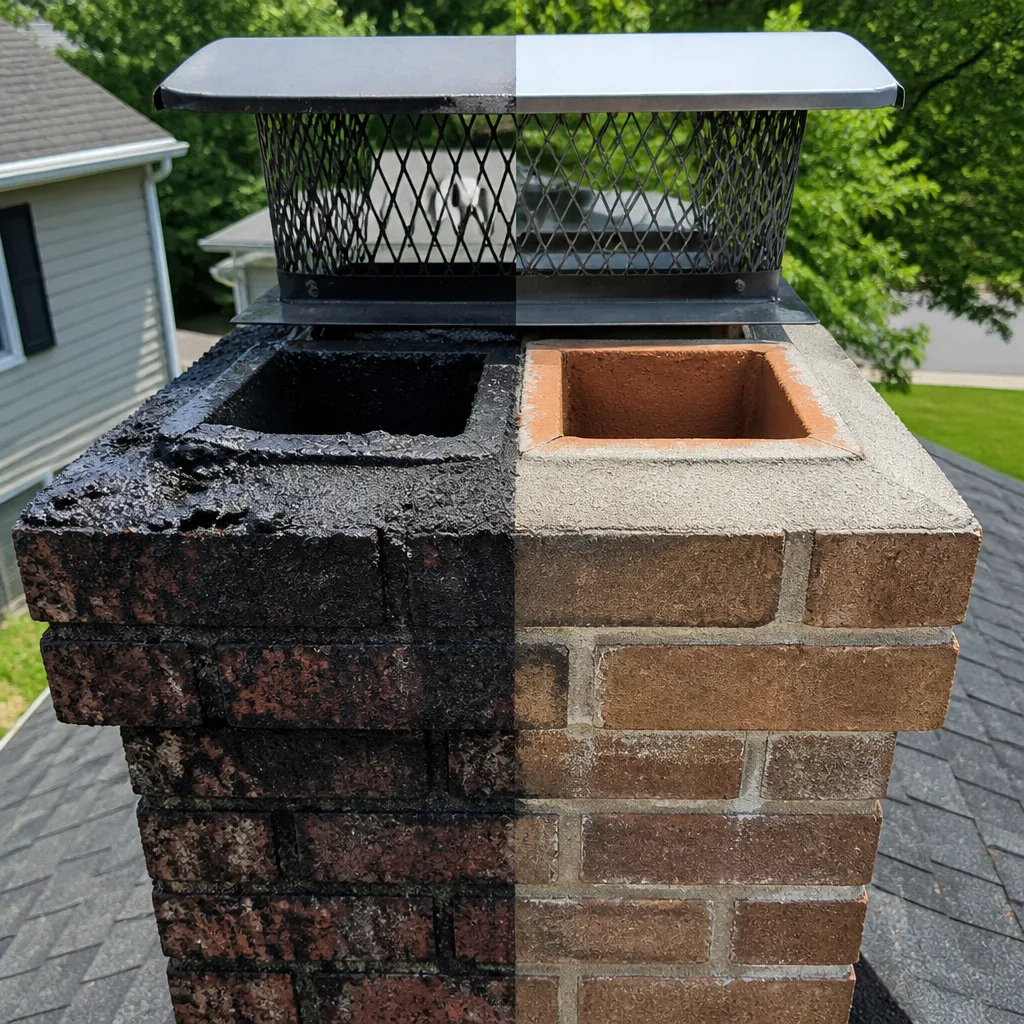
See the difference
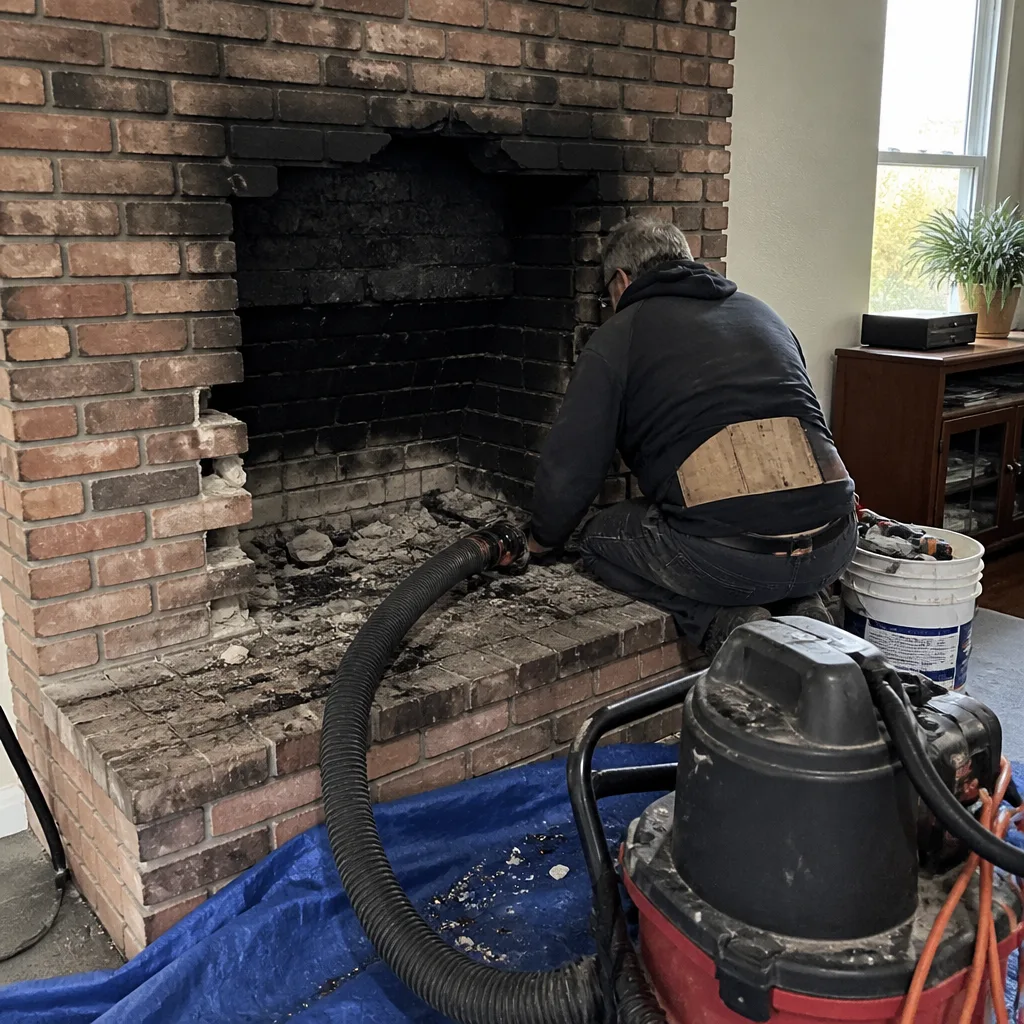 Before
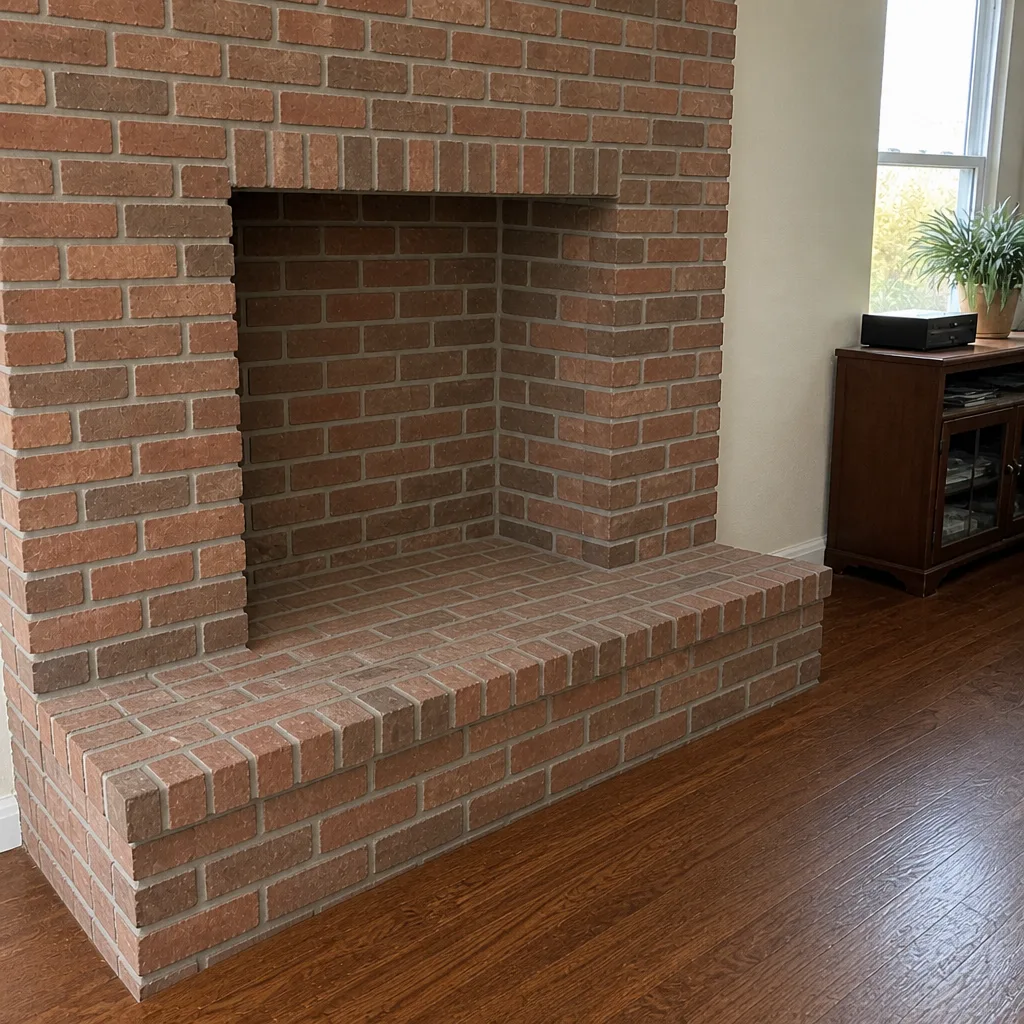 After
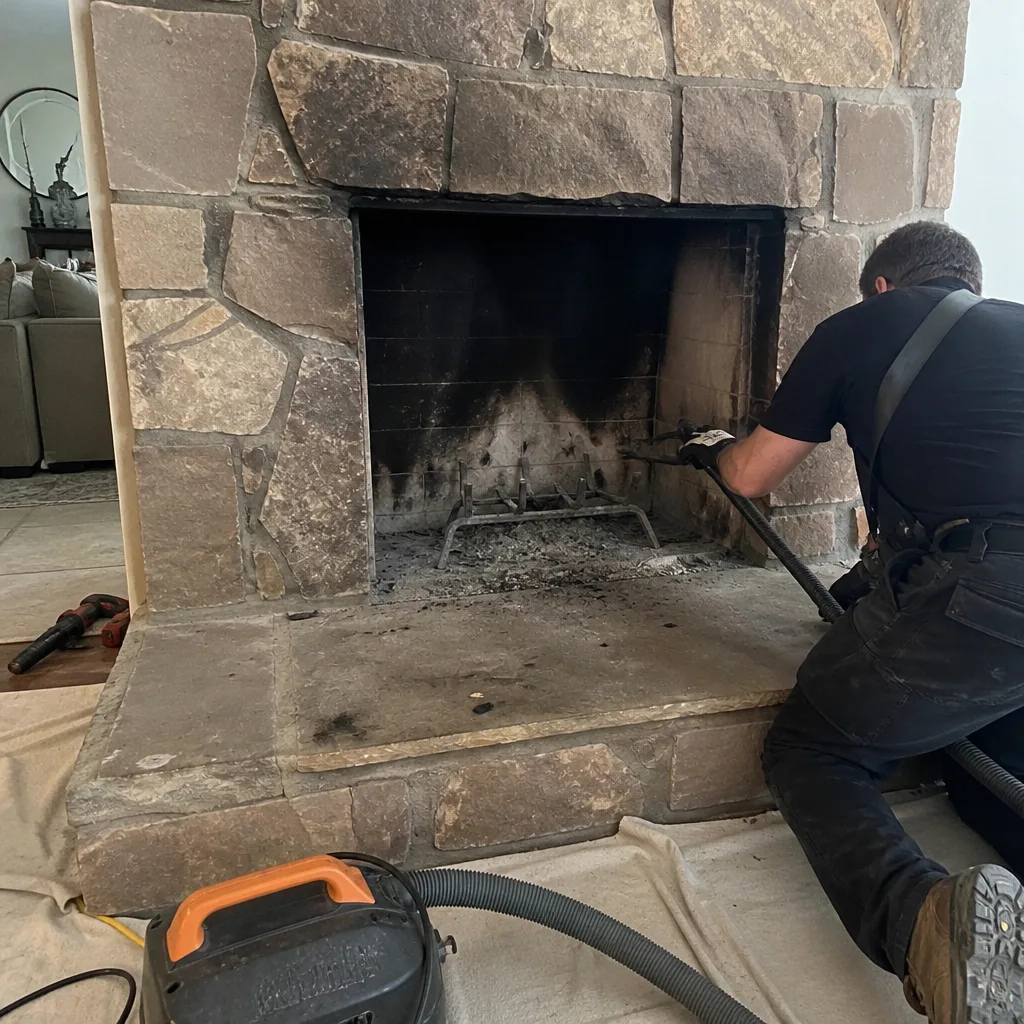 Before
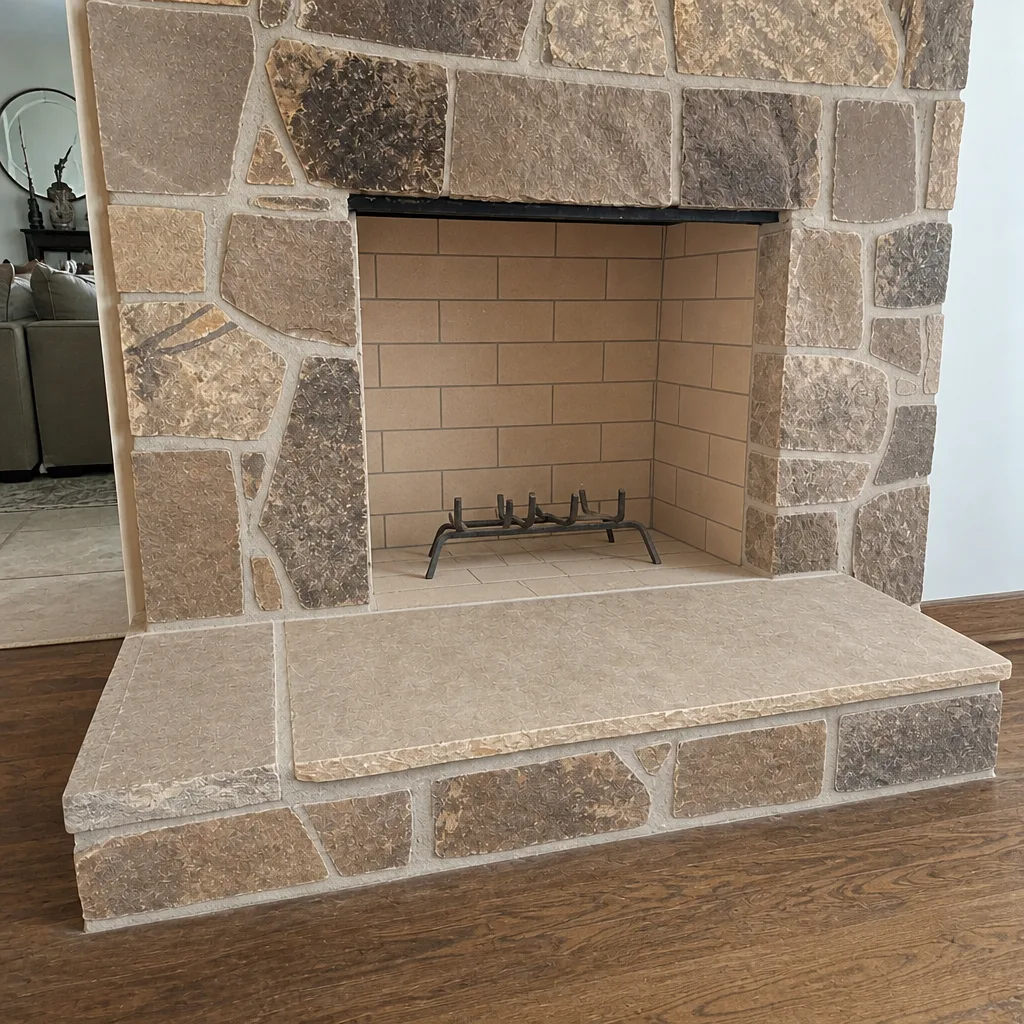 After
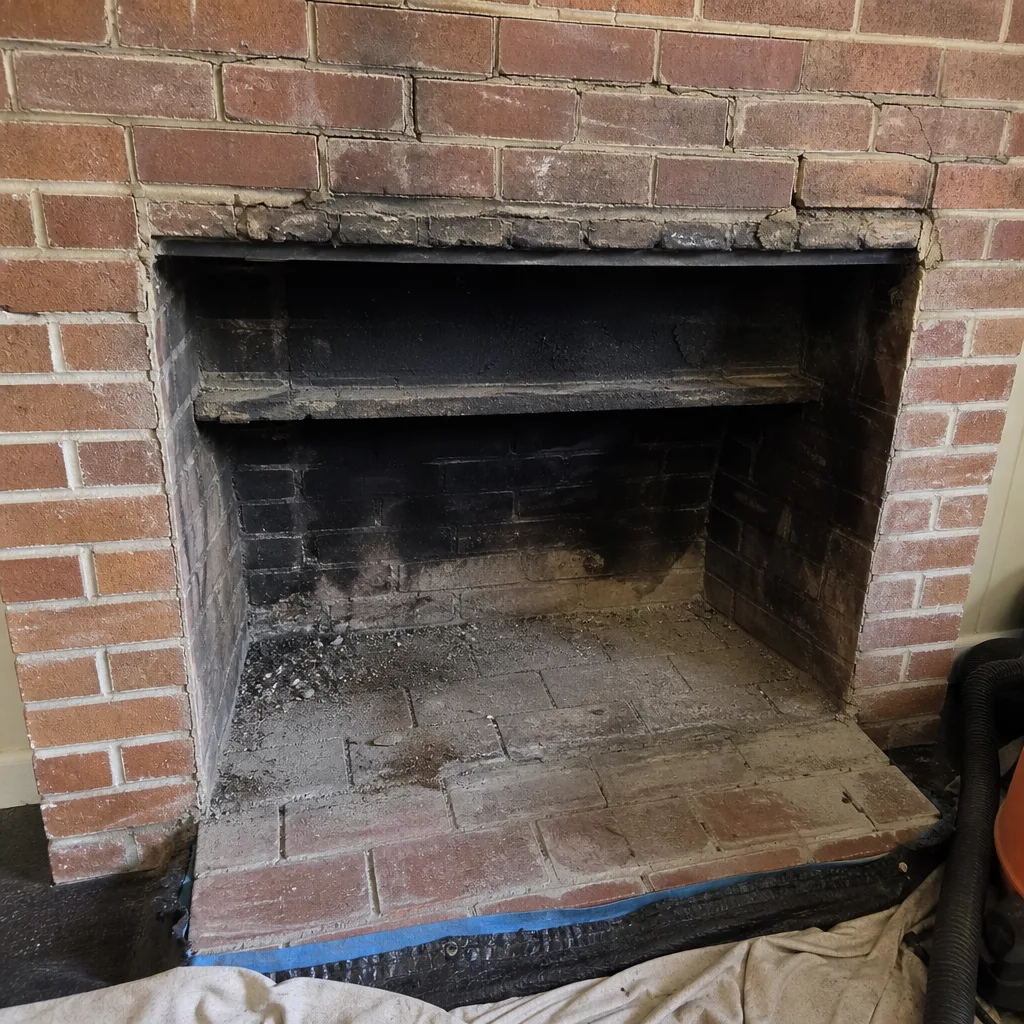 Before
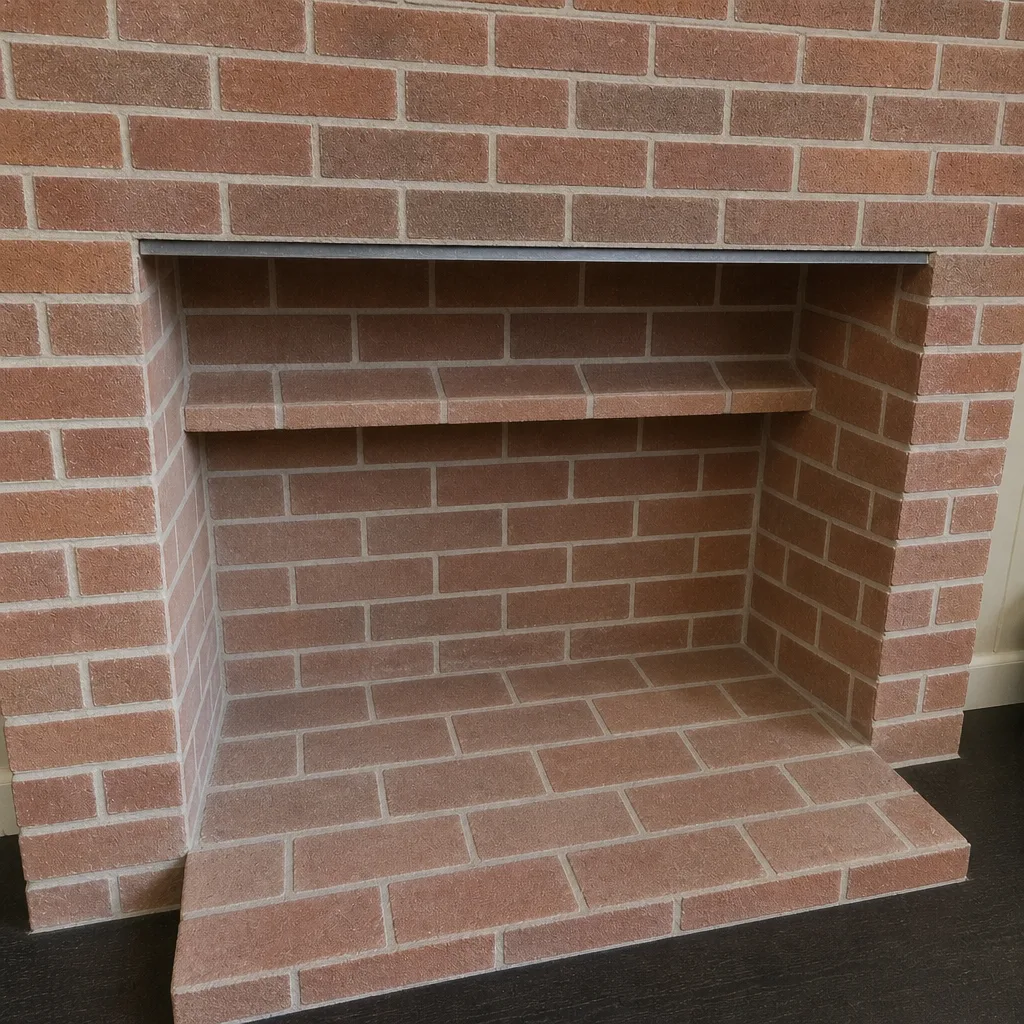 After
When to Call a Professional
Some chimney care is seasonal and routine; some is not a do-it-yourself job. The flue is a confined space with a real fire risk, and the crown and cap are at height. Anything that touches the structure of the system, or that involves inspecting and cleaning the flue, is work for a trained professional. Calling early is almost always cheaper than calling after a problem has had a season to get worse.
Call a professional when:
- You haven’t had the chimney swept or inspected in the last year.
- There’s visible creosote, especially glazed creosote, in the flue or firebox.
- The fire smokes into the room, or the draft feels weak.
- You’ve had a chimney fire, even a small one.
- The crown is cracked or the cap is loose, damaged, or missing.
- You notice water stains, spalling brick, or crumbling mortar around the chimney.
Chimney Sweep Seven Hills offers free estimates in Seven Hills, and a seasonal sweep booked before the season starts is the best way to head off the bigger jobs. Call (866) 937-8581. We answer 24/7. Fast dispatch from 7am to 7pm, Sunday through Friday.
Frequently Asked Questions
Once a year is the general rule for a wood-burning fireplace, and in Seven Hills the best time is late August to mid-September, before the first fire. If you burn heavily from November through February, a mid-season inspection may show a second sweep is warranted. Call (866) 937-8581 for a free estimate.
Because heating demand here can arrive quickly, and an October sweep risks the first fire happening in an uncleaned flue. Booking in late August to mid-September gives a comfortable buffer before the season starts and catches both the previous winter’s creosote and any summer debris in one visit. Call (866) 937-8581 to book the window.
Moisture, pests, and UV all work on it. Any water that got in during spring sits against the masonry, animals can nest in an open flue, and the summer sun expands and cracks the crown. Summer is when you want the structure dry and sealed, not accumulating damage.
Not always, but heavy burning builds creosote faster, and the only way to know is to inspect. If the inspection shows glazed creosote, reduced draft, or heavy buildup, a second sweep is warranted; if not, it can wait for spring. Call (866) 937-8581 for an inspection and a straight answer.
In the warmer part of the year, late spring through early fall, when surfaces are dry and temperatures are steady. Crown coatings and masonry repairs need the right temperature and a dry cure window, and applying them outside those conditions gives a repair that doesn’t last. Call (866) 937-8581 for a free estimate on the timing.
Creosote keeps building, and the risk of a chimney fire rises with it. Debris and pest nests can block the flue and reduce draft, and a cracked crown lets in water that damages the masonry over time. None of that announces itself until the first fire, which is why the pre-season sweep matters.
The Bottom Line
Year-round chimney care in Seven Hills isn’t four identical seasons of the same task. Spring is for post-season assessment and protecting the crown and cap before summer. Summer is when moisture, pests, and UV do their damage to an idle chimney. The pre-season sweep belongs in late August to mid-September, earlier than most national guides suggest, so the first fire happens in a clean, inspected flue. Winter is for managing creosote and deciding whether a second sweep is warranted. Weather windows matter for repairs, and the warm, dry months are when crown and masonry work should happen. One seasonal sweep, booked at the right time, sets the whole year up.
If you’re not sure where your chimney stands, that’s a good reason to call. Chimney Sweep Seven Hills offers free estimates, and a seasonal sweep is the starting point for everything else. Call (866) 937-8581. We answer 24/7. Fast dispatch from 7am to 7pm, Sunday through Friday, closed Saturday.
Written by the team at Chimney Sweep Seven Hills.