
Last updated November 23, 2026
 Sweep & inspection
 Caps & crowns
 Flue relining
 Masonry repair
 Gas fireplace service
Level 1 sweep and inspection to the NFPA 211 annual standard - flue, crown, cap, and flashing checked and photographed
Chimney sweep logs do not sweep chimneys. They loosen some creosote - which then falls where a brush and vacuum still have to collect it.
The Complete Guide to Chimney Cleaning in Seven Hills
Most homeowners think a chimney sweep is a brush on a rod and a puff of soot. That picture hides the part that actually matters. Seven Hills sits well above 5,500 feet, and at that elevation wood burns cooler and less completely than it does at sea level. The result is faster creosote buildup, and in many homes it’s the glazed, hardened third-degree stage that a quick brush won’t touch. A sweep protocol copied from a low-altitude market leaves that behind. This guide walks through the full cleaning process, the tools that suit each flue, how to read a cleaning report, and what Seven Hills conditions change about all of it.
Quick Answer
A professional chimney cleaning in Seven Hills has three phases: an inspection to see the flue, mechanical removal of soot and creosote with tools matched to your liner material, and a liner assessment afterward to confirm the flue is intact and safe to use. Altitude-driven cooler combustion means many Seven Hills homes need glazed creosote addressed, which often calls for rotary tools rather than a standard brush. The written report from a CSIA Level II inspection is what tells you whether the full flue length was actually swept.
Styles & brands we work with
- Sweep & inspection
- Caps & crowns
- Flue relining
- Masonry repair
- Gas fireplace service
Table of Contents
- Why altitude changes chimney cleaning in Seven Hills
- The three phases of a professional chimney cleaning
- Why a Level II inspection is the baseline, not an upsell
- Rotary whip vs. brush: matching tools to your liner
- How to read a cleaning report
- When to schedule a cleaning in Seven Hills
- The materials a full-service specialist brings
- Common mistakes to avoid
- When to call a professional
Why altitude changes chimney cleaning in Seven Hills
Combustion is a chemistry problem that altitude rewrites. As elevation climbs, air pressure drops and the oxygen available in a given volume of air falls with it. A wood fire burning in thinner air gets less complete combustion, produces more creosote, and runs at lower temperatures in the flue. Cooler flue gases condense more readily on the walls, and condensation is exactly what turns ordinary soot into the hardened, glazed creosote that’s harder to remove.
Homeowners moving up from Denver proper often expect the cleaning interval they were used to at a lower elevation to hold in Seven Hills. It usually doesn’t. The Front Range’s cold-snap temperature swings add another wrinkle. Warm days followed by hard overnight drops create pressure swings in the flue and drive rapid condensation cycles, so creosote that would build slowly in a steadier climate stages faster here.
What that means in practice:
- Creosote in a Seven Hills flue can reach the glazed third stage sooner than the same firewood load would at lower elevation.
- Cooler flue temperatures mean more condensation on the liner walls, which feeds glazed deposits.
- Burning properly seasoned wood and maintaining good draft matters more, not less, at altitude.
- A sweep protocol borrowed from a low-elevation market may under-address the glazed deposits common here.
None of this makes chimney cleaning in Seven Hills impossible to standardize. It just means the process should account for altitude combustion and the local cold snaps, which is why we treat the inspection as the starting point. You can’t sweep what you haven’t seen, and at this elevation you can’t assume what you’ll find.
The three phases of a professional chimney cleaning
A proper cleaning is three distinct phases, not one motion. Each phase answers a different question, and skipping one leaves the job incomplete.
- Inspection. Before any tool enters the flue, a technician inspects the firebox, damper, smoke chamber, and flue, ideally with a camera, to map where creosote has collected and what condition the liner is in. This is where the plan gets set: which tools, which areas, what to watch for.
- Mechanical removal. Soot and creosote are removed from the firebox up through the smoke chamber and the full length of the flue, using tools matched to the liner material. The right tool for a clay tile flue is not automatically the right tool for a stainless liner. (More on this below.)
- Liner assessment. After the flue is clean, the liner is checked again, because cleaning can reveal cracks, gaps, or deteriorated joints that soot was hiding. The cleaning report documents what was found and whether the flue is safe to use.
Where Seven Hills conditions change the picture is phase two. If the inspection finds glazed third-degree creosote, a standard brush will skate over it. A rotary tool is needed to break the glaze down. That decision comes out of the inspection, which is why we don’t start with a brush and hope.
When the liner assessment turns up damage that resurfacing can address, that’s our chimney sweep work carrying straight into repair without a handoff to another company. One crew, one conversation about what the flue needs.
Why a Level II inspection is the baseline, not an upsell
A CSIA Level II inspection is the industry baseline for a chimney that’s in regular use, and in a mountain-adjacent climate like Seven Hills it’s the minimum we’d want on any flue before cleaning. It’s a visual inspection of the accessible parts of the system plus a video scan of the flue interior, so the technician can see the full length rather than just the reachable section. Cleaning without it is guessing.
Why does it matter more here? Altitude-driven cooler combustion and cold-snap condensation cycles create creosote patterns that vary from home to home. Two Seven Hills houses on the same firewood and the same habits can stage creosote differently because of draft, flue height, and how the fire is run. An inspection tells you which pattern you’re dealing with instead of applying a one-size protocol.
What a Level II inspection covers:
- The firebox, damper, and smoke chamber
- The full flue length, via camera, including joints and any offsets
- The cap and crown, where water enters the system
- Where creosote has accumulated and at what stage
- Any liner damage, cracks, or gaps that the cleaning should expose and document
It’s not a sales step. It’s the diagnostic that tells you whether the sweep is routine or whether the flue needs more attention. We treat it that way: the report records what the camera saw so you can verify it yourself.
Rotary whip vs. brush: matching tools to your liner
The choice of tool is driven by two things: the liner material and the stage of the creosote. Get either wrong and you either leave deposits behind or risk damaging the flue.
Brushes suit routine soot and first-stage creosote in flues where the liner is in good condition. The bristle type has to match the liner: a stiff brush that’s fine on some liners will mar a softer one. A brush is the right tool for a flue that just needs its annual cleaning.
Rotary whips are for the harder deposits, including glazed second- and third-degree creosote. The spinning head breaks the glaze down so it can be removed, which a brush alone can’t do. At Seven Hills elevations, glazed deposits are common enough that a rotary tool is often part of the standard kit, not a special-order add-on.
| Tool | Best for | Watch for |
|---|---|---|
| Standard brush | Routine soot, first-stage creosote | Bristle must match liner type |
| Rotary whip | Glazed second- and third-degree creosote | Technique matters more than the head |
| Camera | Verifying the full flue length was swept | Should appear in the report |
In our experience the tool choice is where a cleaning either counts or doesn’t. A brush run down a flue with glazed creosote looks like work happened; the deposits are still there. A rotary whip used carelessly can be overkill on a soft liner. That’s why the inspection comes first, and why the liner material decides the tool, not the other way around.
How to read a cleaning report
A cleaning report is only useful if you can tell what actually happened. The single most common gap is a report that describes a flue sweep without proof the full length was reached. Here’s what to look for:
- Full flue length, confirmed. The report should say the sweep covered the full length of the flue, ideally with camera stills from top to bottom, not just the section the technician could reach.
- Creosote stage noted. Was it routine soot, or stage two and three? The stage determines whether a rotary tool was used and whether the flue needs attention again sooner.
- Liner condition after cleaning. Cracks, gaps, and deteriorated joints should show up in the report. If the report is silent on liner condition, ask.
- Cap and crown. These are where water enters, and they should be noted. A cracked crown lets water in every storm season, and the report should say if it needs work.
- What can wait. A good report says plainly what’s fine and what needs to come back next season, not just what needs doing now.
If a report reads as a brush-and-go with no liner detail, it probably was. You can’t verify a full-length sweep from a summary that doesn’t mention the flue. When we hand you a report, the camera evidence is there so you can see what we saw, and if work can safely wait until next season we’ll say so.
When to schedule a cleaning in Seven Hills
The right time to book a chimney cleaning in Seven Hills is before the burn season starts, not after. Waiting until the first cold snap means the flue has already run with the deposits from last season. A pre-season cleaning, done in the shoulder months before the fireplaces come back into regular use, gives you a clean flue with the whole season ahead of it.
How often depends on how the fire is used:
- Yearly is the baseline for a fireplace in regular seasonal use.
- Homes burning more heavily, or burning wood that’s less than fully seasoned, may need attention sooner given how fast creosote stages at this elevation.
- A flue that sat unused through a season is worth checking before lighting it again, since cold-snap cycles and condensation can leave damage that soot was hiding.
We book sweeps around a seasonal need, not an hourly one. The urgency is getting it done before the burn season, so a shoulder-month appointment beats a scramble in the first cold week. If a call comes in outside our dispatch hours, we answer it and book it into the next opening, Sunday through Friday, 7am to 7pm. Call (866) 937-8581. We answer 24/7.
The materials a full-service specialist brings
Cleaning is where the flue gets seen clearly, and what it needs next is a materials question. We stock and install from a portfolio of professional-grade brands so the fix uses the right material rather than whatever’s on hand. The ones that come up most in Seven Hills cleaning work are HeatShield, DuraFlex, Olympia Chimney, and Gelco.
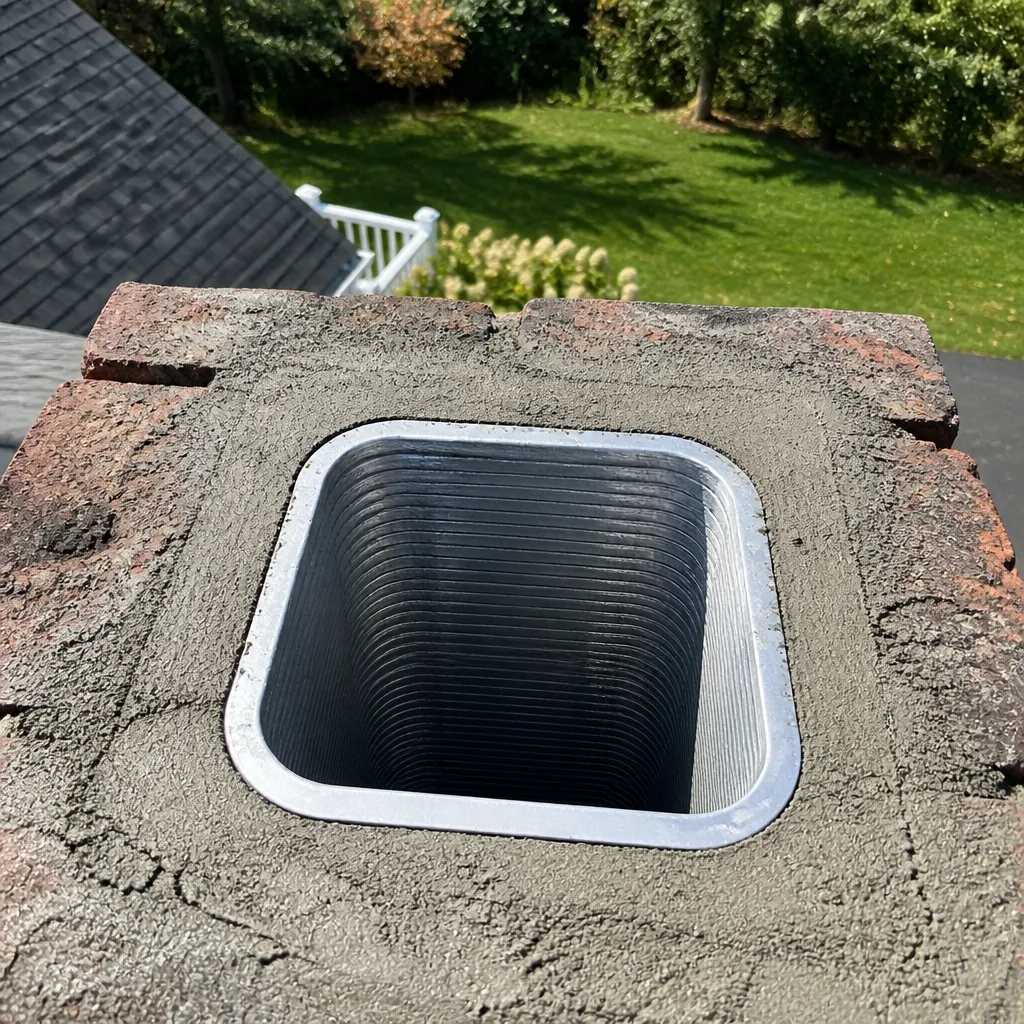
When the liner assessment finds a flue that needs resurfacing rather than replacement, we use HeatShield, a proprietary liner resurfacing system. It’s the kind of work a general contractor can’t source, let alone install. When a flue needs relining, we use DuraFlex flexible liner systems, which suit deteriorated or previously relined chimneys and hold up well over the long run. Olympia Chimney and Gelco cover the surrounding components and accessories that keep the system complete.
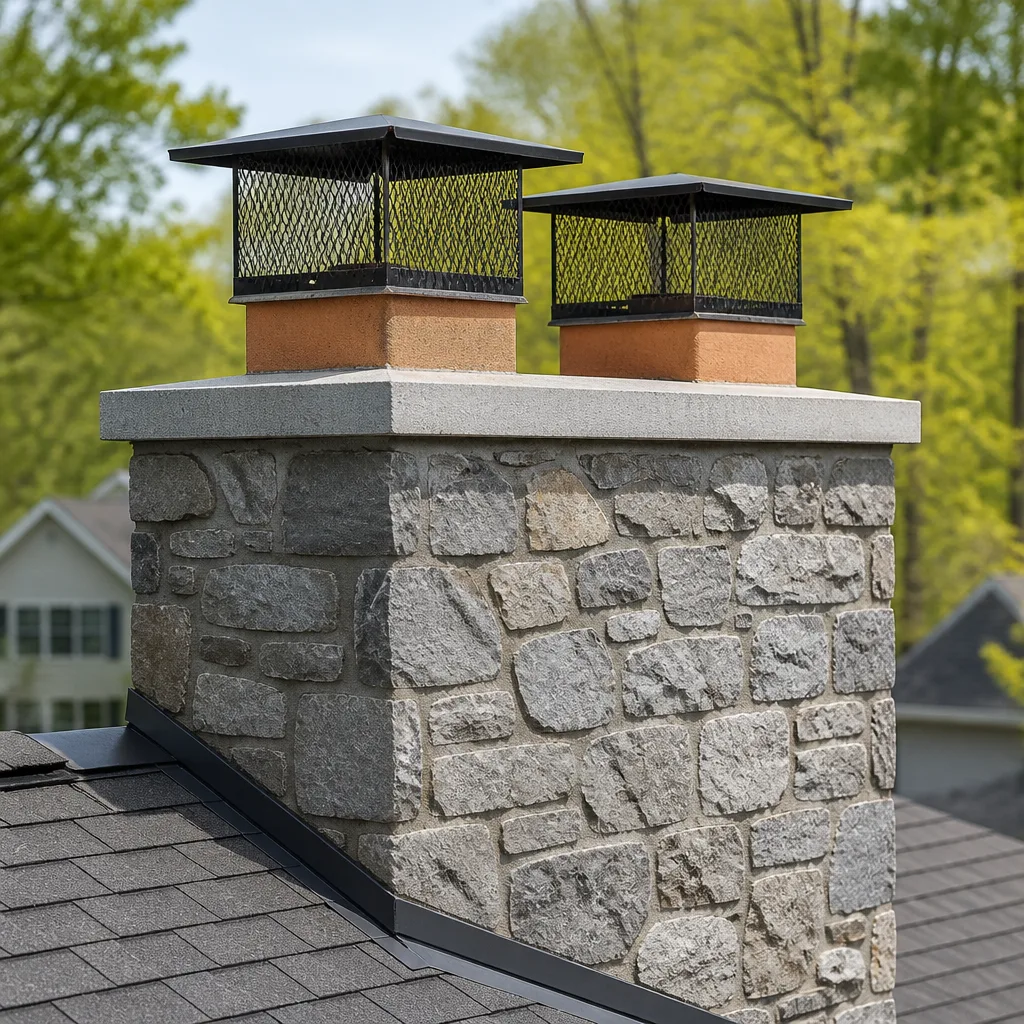
The point isn’t to name every brand. It’s that a full-service specialist carries the material for the job the cleaning uncovers, so the flue doesn’t sit half-finished waiting on a referral. When we install a cap or crown, that’s our chimney cap & crown work addressing the water entry points before they become a structural repair. When the firebox or damper needs attention, fireplace repair is in the same house call. One crew, one warranty conversation, no handoffs.
Common Mistakes to Avoid
- Assuming altitude doesn’t change anything. Treating a Seven Hills flue like a sea-level flue means expecting a brush-only sweep to handle glazed creosote. At this elevation it often won’t, and the deposits stay.
- Skipping the inspection and going straight to sweeping. A sweep without a camera scan is a guess. You can’t tell whether the full flue length was reached, or what condition the liner is in underneath the soot.
- Using the wrong tool for the liner. A rotary whip on a soft liner, or a brush on glazed third-degree creosote, both miss the mark. The inspection should dictate the tool.
- Reading a report that omits the liner. If the report doesn’t mention liner condition and the full flue length, ask for it. A cleaning summary without those two things doesn’t tell you the flue is safe.
- Waiting until the first cold week. The pre-season is the sensible time to book, so the flue is clean before the season starts rather than after it’s already run dirty.
- Leaving a cracked crown for later. A cracked crown lets water in every storm season, and water damage in a chimney tends to compound. If the report flags it, don’t shelve it.
- Assuming a brush-only sweep is enough because the fire “seemed fine.” Cooler altitude combustion produces creosote you can’t see from the firebox. The report is how you know, not the fire.
When to Call a Professional
Call a professional when you don’t have a current cleaning report, when your last cleaning didn’t include a camera scan of the full flue, or when you’re moving into burn season with a flue that’s been sitting. Call if the report you have doesn’t address liner condition or the cap and crown. Call if you burn regularly and haven’t had the flue inspected since the last heating season, since altitude-driven creosote stages faster than you’d expect. And call if you’re unsure whether a deposit you saw is routine soot or glazed creosote, because the difference decides the tool. Chimney Sweep Seven Hills offers free estimates in Seven Hills. The price is set per job by the written estimate, and there’s no fee to get one. Call (866) 937-8581. We answer 24/7. Fast dispatch from 7am to 7pm, Sunday through Friday.
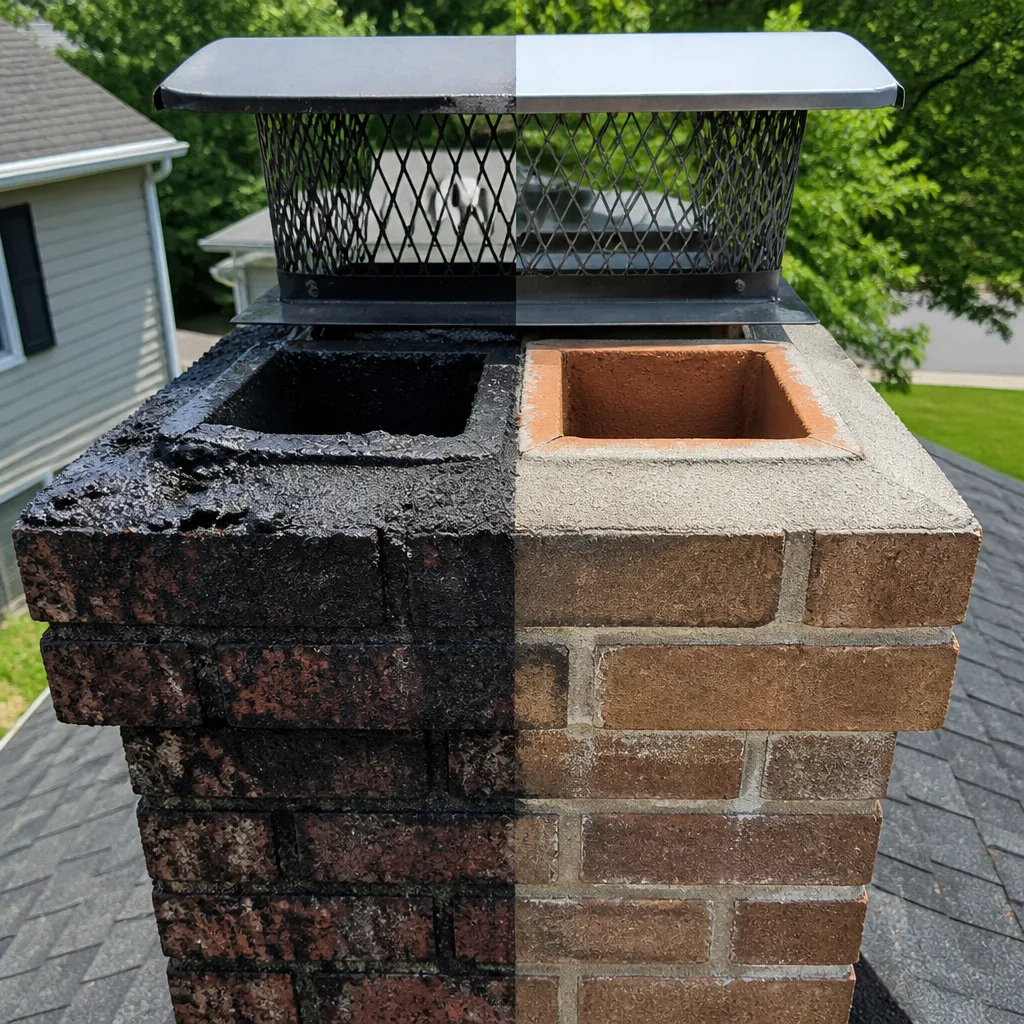
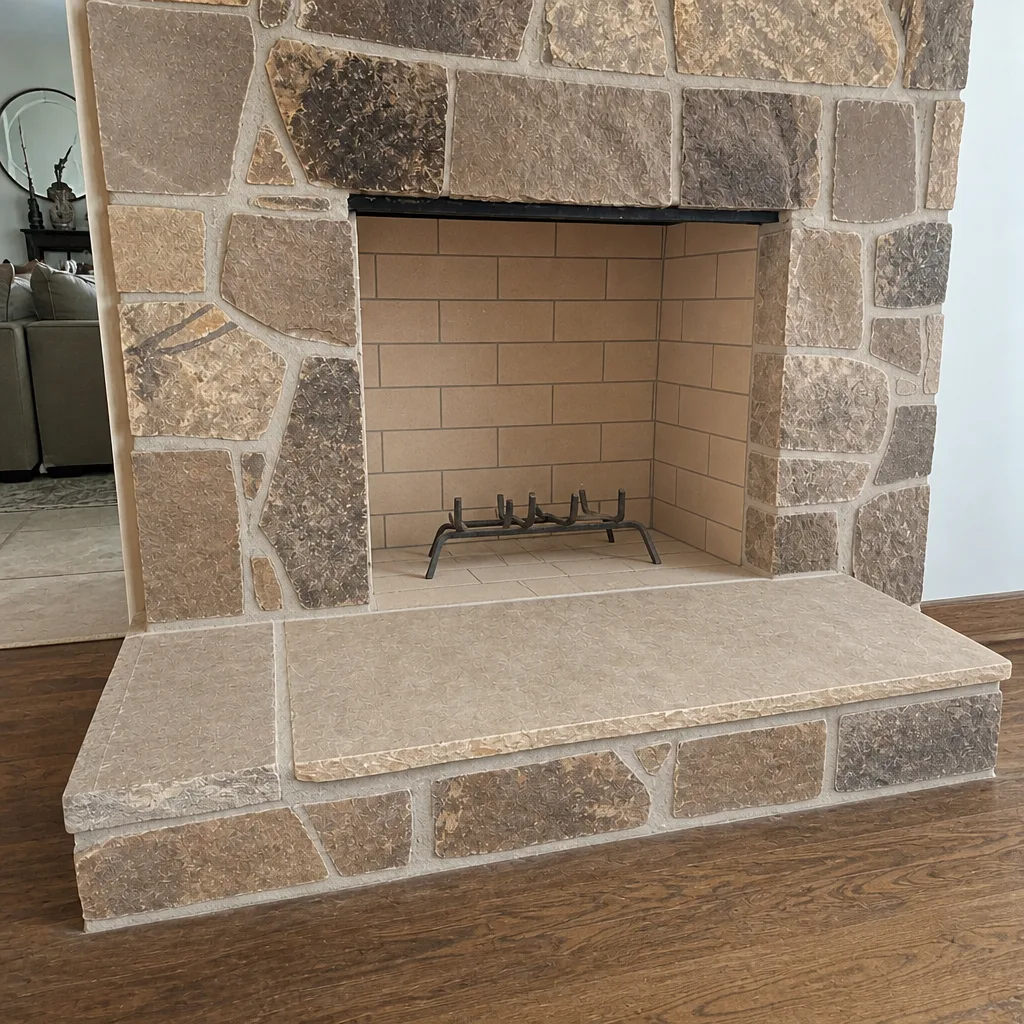
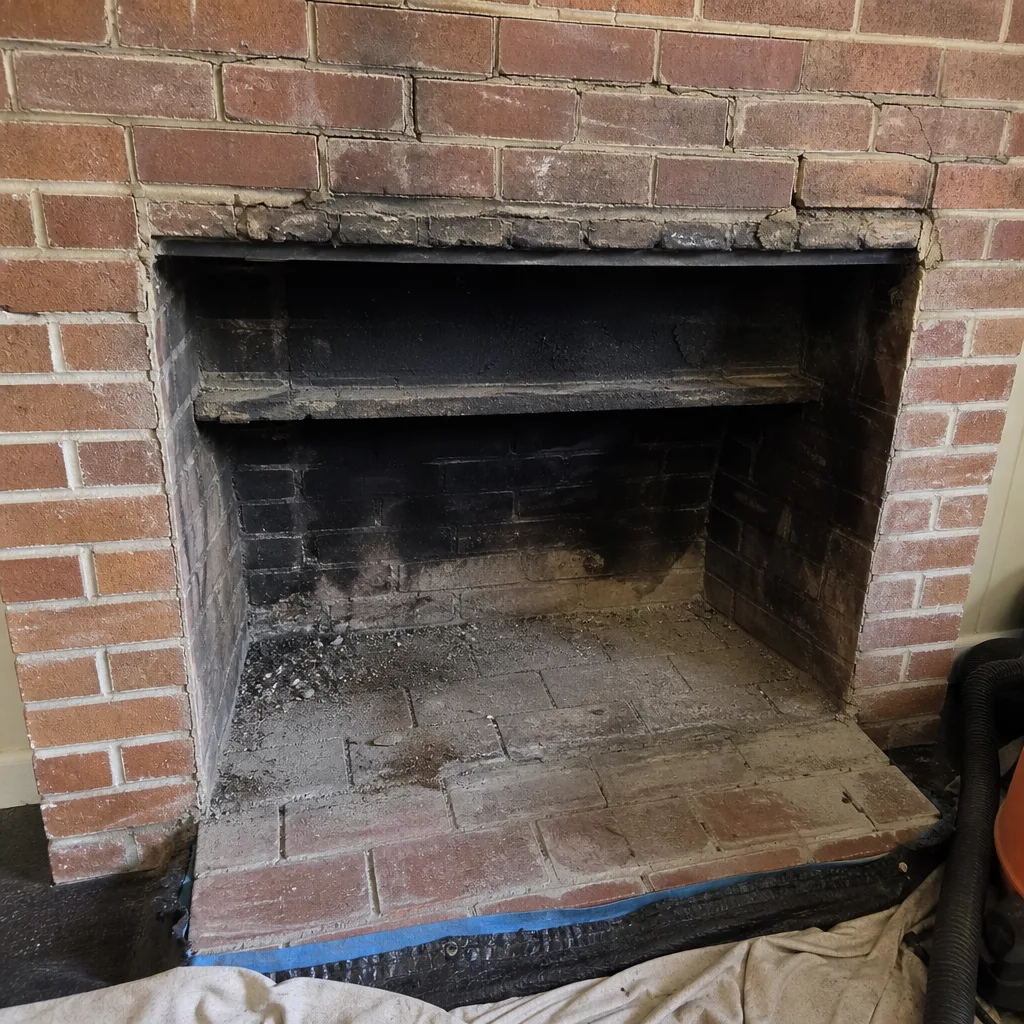
See the difference
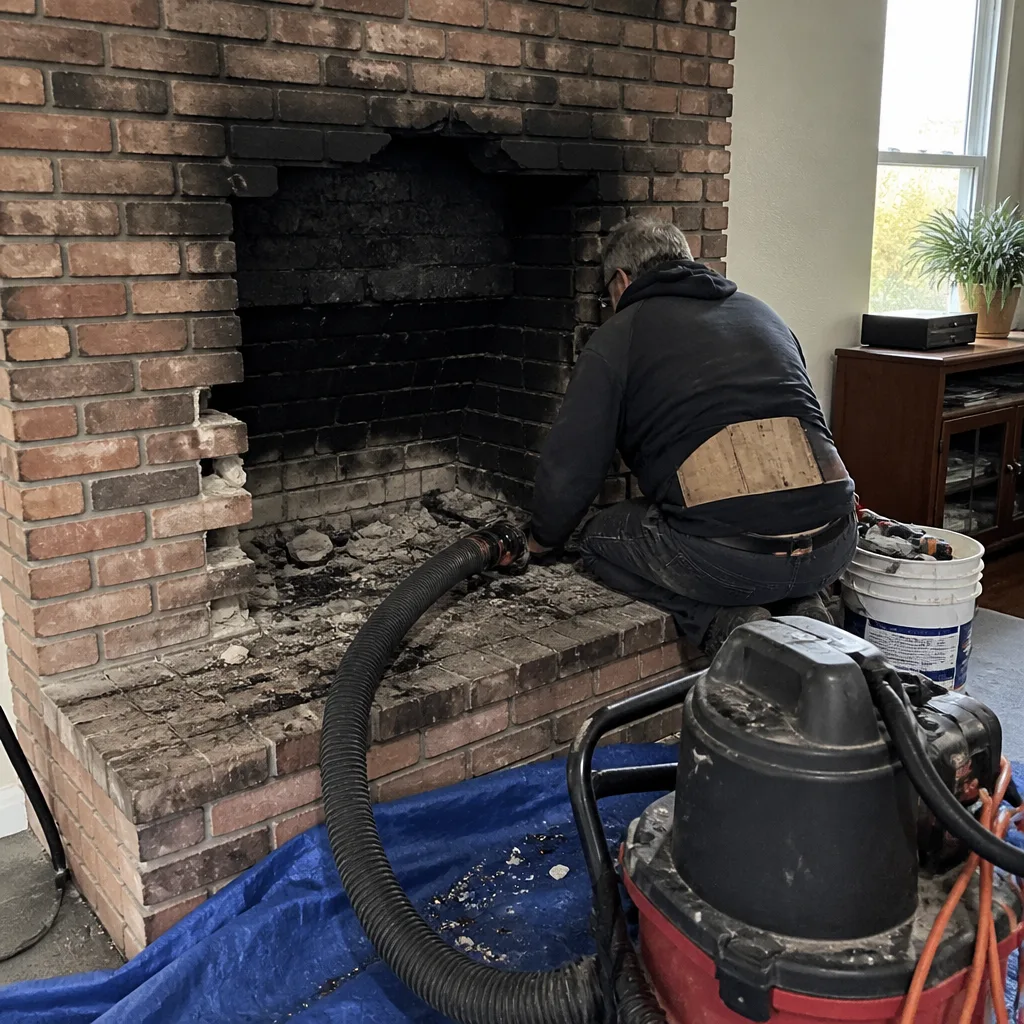 Before
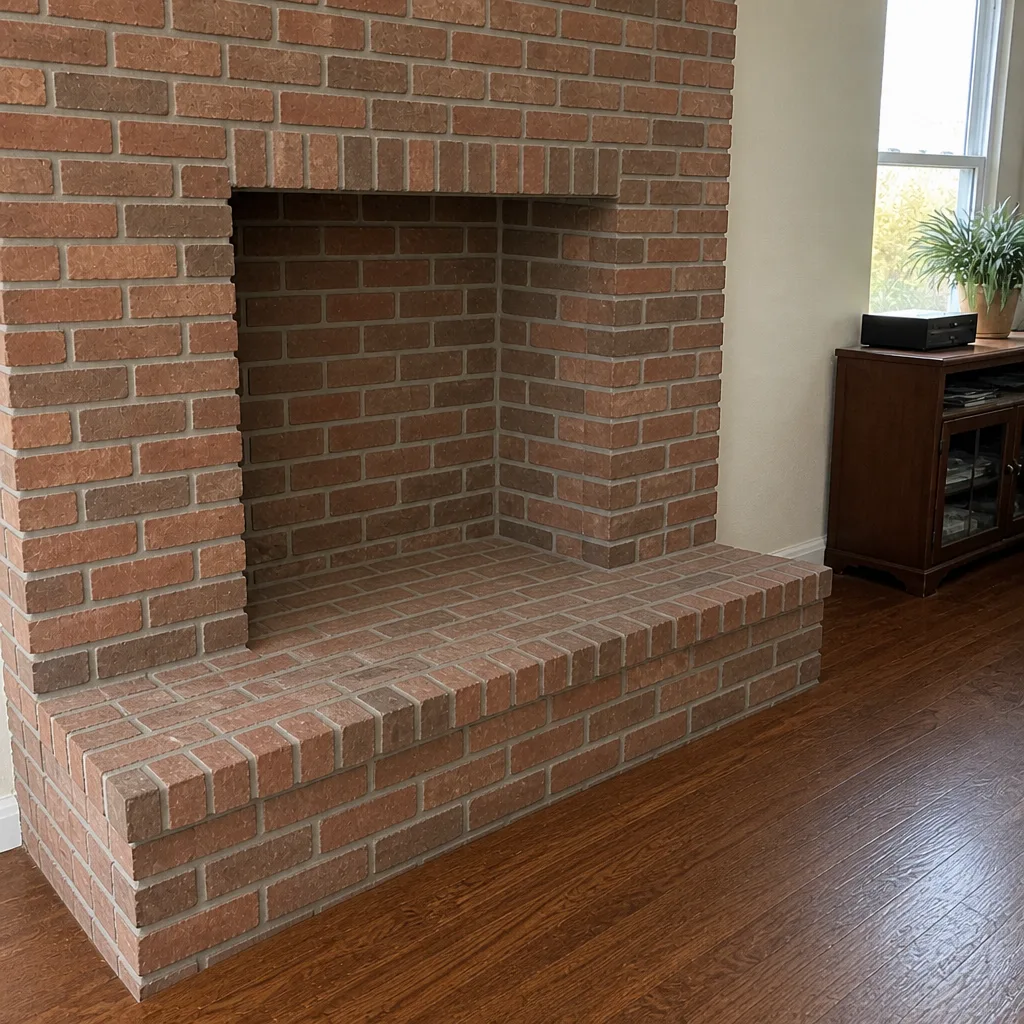 After
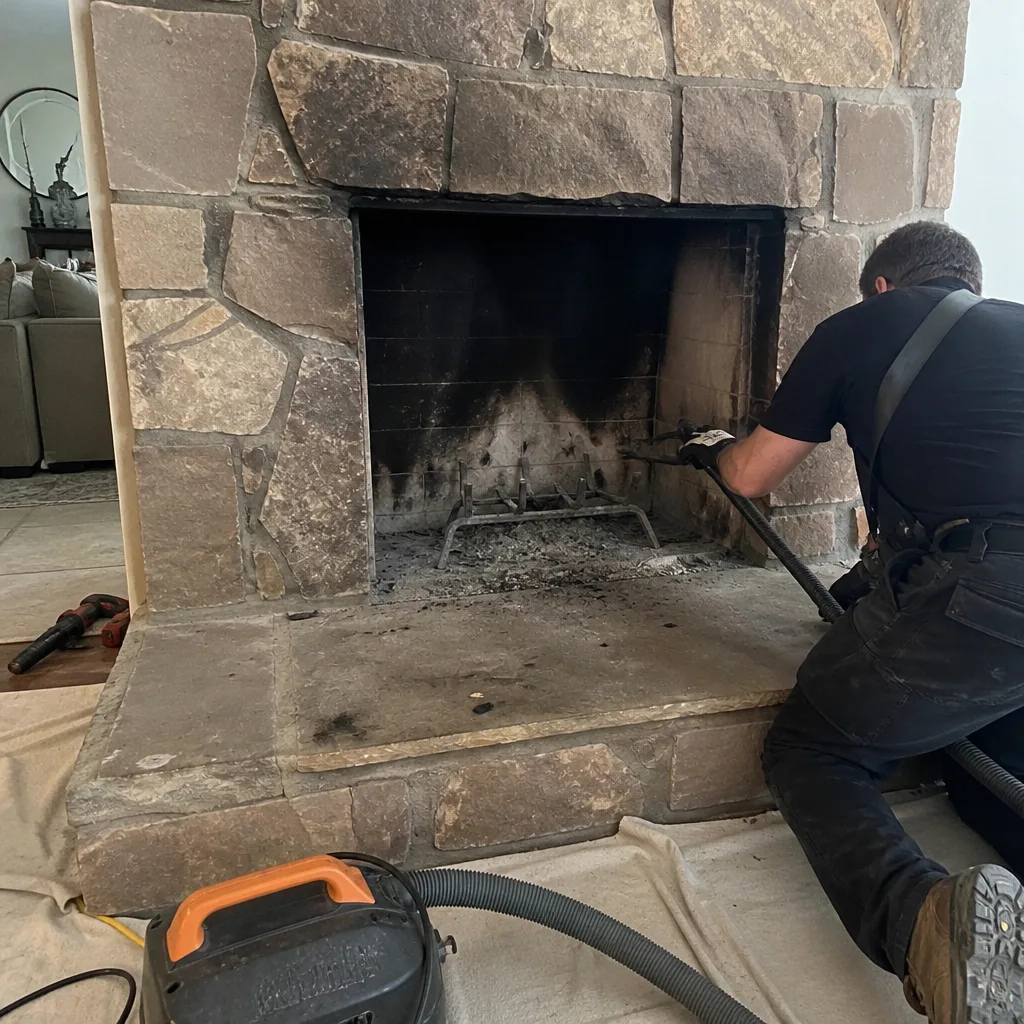 Before
 After
 Before
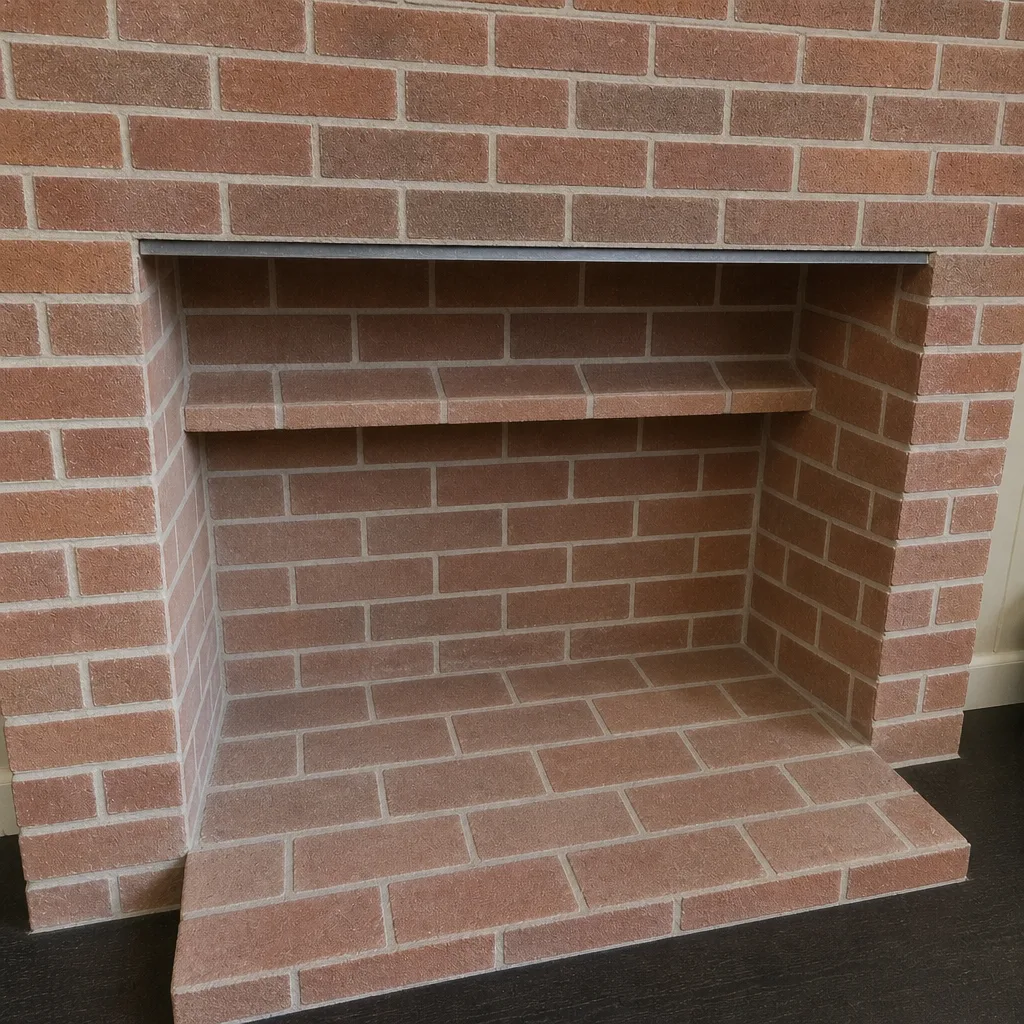 After
Frequently Asked Questions
Chimney cleaning in Seven Hills is priced per job by a written estimate, and the estimate is free. The exact cost depends on the flue, the stage of creosote found during inspection, and whether glazed deposits call for rotary work. Because altitude changes the creosote picture, a low-altitude price quote won’t reliably match what your flue needs. Call (866) 937-8581 for an exact quote. Estimates are free.
Yearly is the baseline for a fireplace in regular seasonal use, and in Seven Hills many homes benefit from checking sooner because altitude-driven cooler combustion stages creosote faster. Heavy use or less-than-seasoned wood pushes the interval shorter. The cleaning report tells you when yours is due next. Call (866) 937-8581 to book a pre-season sweep.
Skipping it lets creosote accumulate, and at Seven Hills elevations the glazed third stage can build faster than at lower ones. A glazed flue is hard to brush clean and restricts how safely the fireplace can run. The cleaning report is how you catch it before the flue is loaded up. Call (866) 937-8581 for an inspection and quote.
It’s the baseline, not an upsell. A CSIA Level II inspection uses a camera to view the full flue length, so the technician knows what’s actually there before sweeping. Without it, a cleaning is a guess about which tool and which section. We treat the inspection as the starting point of every cleaning. Call (866) 937-8581 to book one.
Ask for the cleaning report and look for camera stills from top to bottom and a note on liner condition. If the report only describes a brush run with no flue detail, that’s the gap. A full-length sweep leaves a record you can see for yourself. Call (866) 937-8581 and we’ll walk you through what the report should show.
Yes. Cap and crown work is part of the same visit, so a cracked crown found during the liner assessment doesn’t wait on a separate company. A cracked crown lets water in every storm season, and handling it before water gets into the structure is the point. Call (866) 937-8581 for a free estimate on cap and crown repair.
The Bottom Line
Chimney cleaning in Seven Hills is a three-phase job: inspect, remove, and assess the liner. What makes it different here is altitude. Cooler combustion and cold-snap condensation cycles stage creosote faster and push more Seven Hills flues into the glazed range, where a brush-only protocol leaves deposits behind. Use a camera-based Level II inspection to start, match the tool to the liner, and read the report for full flue length and liner condition. When the cleaning uncovers more, a full-service specialist carries the materials, from HeatShield resurfacing to DuraFlex relining. Our technicians have up to 10 years of experience, and we’ve made chimney systems our only work rather than a side job.
If your flue hasn’t been inspected since last season, book a sweep before the burn season starts. Call Chimney Sweep Seven Hills at (866) 937-8581 for a free estimate. We answer 24/7. Fast dispatch from 7am to 7pm, Sunday through Friday. Learn more about our Chimney Sweep Seven Hills services and get your flue seen before it needs more than a cleaning.
Written by the team at Chimney Sweep Seven Hills.